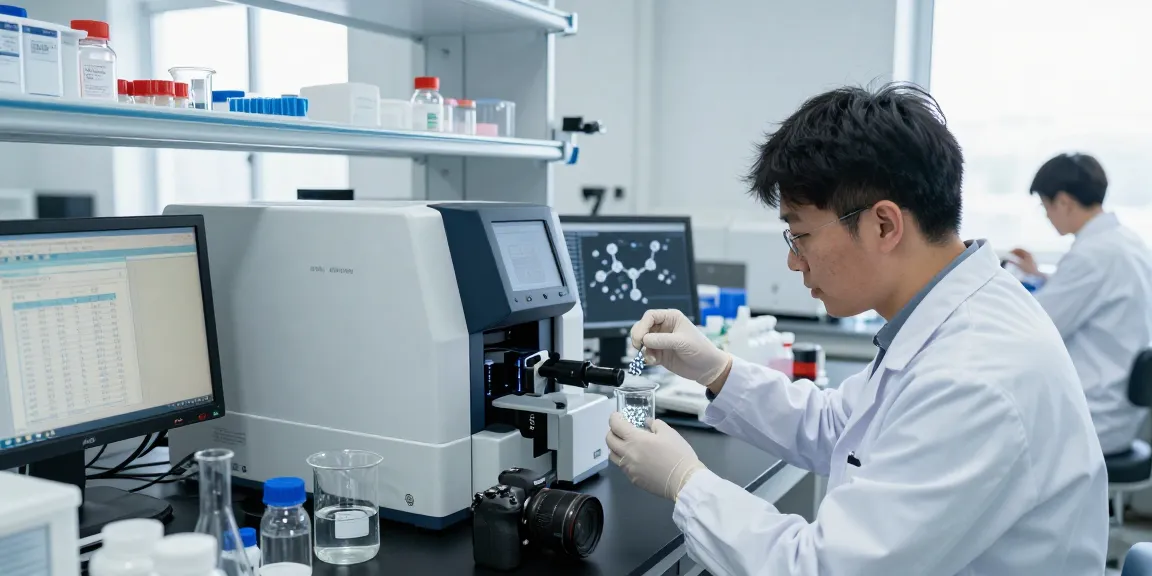
The Importance of High-Purity Research Peptides in Scientific Studies
High-purity research peptides are crucial assets in the realm of scientific exploration, offering researchers precise tools for understanding biological functions and therapeutic developments. These peptides, which are short chains of amino acids, play a pivotal role in various fields, including pharmacology, molecular biology, and biotechnology. Their significance lies not only in their biological roles but also in their applications in cutting-edge research. When exploring options, High-purity research peptides provide comprehensive insights into innovative approaches that enhance research outcomes.
Understanding What Research Peptides Are
Research peptides are synthesized sequences of amino acids used to study biological processes. Depending on their structure and function, they can act as hormones, neurotransmitters, or even therapeutic agents. Each peptide has a unique amino acid sequence that determines its function, making the understanding of their characteristics crucial for effective research implementation. They are not only pivotal in basic science but are also increasingly being integrated into therapeutic procedures, supporting drug development and diagnosis.
The Role of Purity in Research Outcomes
The purity of research peptides directly impacts experimental results. Impurities can lead to inconsistent data, affecting reproducibility and reliability in research findings. High-purity peptides (generally defined as 98% purity or higher) ensure that the biological activity is due solely to the peptide and not confounded by contaminants. Consequently, rigorous analytical techniques, such as High-Performance Liquid Chromatography (HPLC), are employed to purify peptides, thus ensuring that researchers are working with the highest quality products available.
How High-Purity Peptides Advance Scientific Discoveries
High-purity research peptides facilitate groundbreaking discoveries by providing researchers with the tools they need for innovative studies. For instance, in drug discovery, these peptides can be used to elucidate mechanisms of action, target interactions, and dosage responses. Moreover, the development of new therapeutic agents—such as vaccines and biologics—relies heavily on the use of ultra-pure peptides. This purity enhances the predictability of biological responses in clinical trials, ultimately leading to quicker and safer drug development pathways.
Challenges in Sourcing High-Purity Research Peptides
Despite the vital role that high-purity research peptides play in scientific research, sourcing these compounds presents several challenges. Researchers often encounter difficulties in identifying reliable suppliers, ensuring quality assurance, and navigating regulatory compliance, which can impact their research efficiency.
Identifying Reliable Suppliers
One of the foremost challenges faced by researchers is sourcing peptides from reputable suppliers. Given the vast array of companies offering peptide synthesis services, discerning credible sources requires thorough investigation. Researchers should look for suppliers that provide extensive product information, including references to third-party testing and certification of their peptides. Reading reviews and testimonials from other researchers can also help in pinpointing trustworthy suppliers.
Overcoming Quality Assurance Obstacles
Quality assurance is paramount when dealing with research peptides. As previously mentioned, the purity of peptides directly influences experimental outcomes. Suppliers should implement stringent quality control measures, such as batch testing and offering certificates of analysis. Researchers are encouraged to establish relationships with suppliers who prioritize these integrity measures, ensuring that they continuously obtain high-purity products that align with their research needs.
Navigating Regulatory Compliance for Peptide Research
Regulatory compliance can be a daunting aspect of peptide research, particularly when it comes to safety and efficacy evaluation. Researchers must ensure that their peptide usage aligns with local regulations and ethical guidelines. This often involves extensive documentation and adherence to protocols set forth by governing bodies. Additionally, staying updated with evolving regulations can help researchers avoid lapses that might hinder their projects.
Best Practices for Implementing High-Purity Research Peptides
To effectively utilize high-purity research peptides in experiments, researchers should adopt best practices that enhance their findings and overall experimental integrity.
Protocols for Effective Use in Experiments
Establishing standard operating procedures (SOPs) for the use of peptides is essential. This includes guidelines on dosage, method of administration, and timing of assessment to ensure reproducibility. Researchers should also consider utilizing controls and replicates to validate their results against potential variances.
Storage and Handling Recommendations
Appropriate storage and handling of high-purity peptides are crucial for maintaining their stability and activity. Researchers should store peptides at recommended temperatures, usually between -20°C and -80°C, and minimize exposure to moisture and light. When thawing peptides, they should be handled gently to preserve their integrity. Additionally, it is wise to aliquot peptides to prevent repeated freeze-thaw cycles, which can degrade the product.
Documenting and Analyzing Results Accurately
Accurate documentation of experimental processes and results is vital for the reliability of research. Researchers should maintain comprehensive records of experiments, including peptide details, experimental conditions, and outcomes. When documenting results, adopting statistical analysis methods helps ensure that findings are robust and can be interpreted correctly.
Innovative Applications of High-Purity Research Peptides
The application of high-purity research peptides extends into various innovative domains, each contributing to advancements in science and technology.
Health and Medical Research Breakthroughs
In the healthcare sector, high-purity peptides are instrumental in developing new diagnostic tools and treatments. For instance, biologically active peptides are now being explored for their potential in cancer therapy, where they can selectively target cancer cells, minimizing damage to healthy tissues. Additionally, advancements in peptide-based vaccines are showing promise in combating viral infections and diseases, making high-purity peptides crucial in global health initiatives.
Cosmetic and Skin Care Applications
High-purity research peptides are increasingly being integrated into cosmetic formulations, benefiting skin health and anti-aging strategies. These peptides can stimulate collagen production, enhance skin elasticity, and provide anti-inflammatory effects. The cosmetic industry leverages high-purity peptides to ensure effective and safe formulations, enabling researchers to create potent products that deliver visible results.
Potential in Drug Development and Therapy
The pharmaceutical industry is making significant strides in drug development using high-purity peptides. With the advent of peptide therapeutics, there is potential to create targeted therapies with fewer side effects compared to traditional drugs. High-purity peptides not only exhibit specificity for their targets but also present lower immunogenicity, making them ideal candidates for chronic disease management, such as diabetes and autoimmune disorders.
Future Trends in High-Purity Research Peptides for 2026 and Beyond
As the field of peptide research continues to evolve, several trends are emerging that will likely shape the future of high-purity research peptides.
Emerging Technologies in Peptide Synthesis
Advancements in peptide synthesis technologies, such as solid-phase peptide synthesis (SPPS) and microwave-assisted synthesis, are streamlining the production of high-purity peptides. These techniques not only enhance efficiency but also improve the purity of the final products. As these technologies integrate with automation and artificial intelligence, we can expect a paradigm shift in peptide manufacturing and quality control, making them more accessible for researchers.
Predictions for Market Growth and Demand
The demand for high-purity research peptides is anticipated to grow significantly in the coming years. As researchers uncover novel applications in biopharmaceuticals, diagnostics, and therapeutics, the need for high-quality peptides will rise correspondingly. Industry analysts forecast a burgeoning peptide market, driven by innovation and increasing investments in healthcare research.
Ethical Considerations in Research and Application
As the utilization of high-purity peptides expands, ethical considerations surrounding their research and application become increasingly important. Issues such as the sourcing of raw materials, animal welfare in testing, and implications of peptide therapies on health policy must be addressed. It is critical for the scientific community to engage in transparent discussions to ensure ethical practices guide the future of peptide research.
What Makes High-Purity Research Peptides Reliable?
The reliability of high-purity research peptides stems from their stringent production processes and adherence to rigorous testing standards. Reliable suppliers utilize methodologies like HPLC and mass spectrometry to verify purity, ensuring that each peptide batch meets the required specifications. Moreover, the involvement of independent third-party testing enhances the credibility of these products, instilling confidence in researchers.
Can High-Purity Peptides Be Synthesized in Any Lab?
While theoretically possible, synthesizing high-purity peptides requires advanced equipment and expertise. Not all laboratories possess the necessary infrastructure or skilled personnel to produce peptides with the required purity levels. Therefore, partnering with specialized suppliers often proves beneficial for researchers, allowing them to focus on experimental design while leveraging the expertise of peptide synthesis professionals.
Which Industries Benefit Most from High-Purity Peptides?
High-purity peptides are utilized across various industries, including healthcare, biotechnology, pharmaceuticals, and cosmetics. Each sector benefits uniquely from peptide applications, with the healthcare and pharmaceutical industries relying heavily on these compounds for drug development and therapy optimization. The cosmetic industry is also capitalizing on peptide technology, leveraging it for innovative anti-aging products, thereby expanding the market for high-purity peptides.
How to Identify Quality Suppliers of Research Peptides?
Identifying quality suppliers of research peptides involves a systematic approach. Researchers should verify the supplier's reputation through independent reviews, assess their quality assurance protocols, and confirm their compliance with industry standards. Additionally, engaging with suppliers who provide transparent information about their production processes and testing results can simplify the selection process, ensuring that researchers have access to reliable peptide products.
Are High-Purity Research Peptides Cost-Effective?
While high-purity research peptides may come at a premium price compared to lower purity options, their cost-effectiveness emerges through enhanced research outcomes. Using high-purity peptides reduces the risk of experimental failure and increases reproducibility, ultimately saving researchers time and resources. In the long run, investing in high-quality peptides can yield significant returns regarding research quality and innovative advancements.