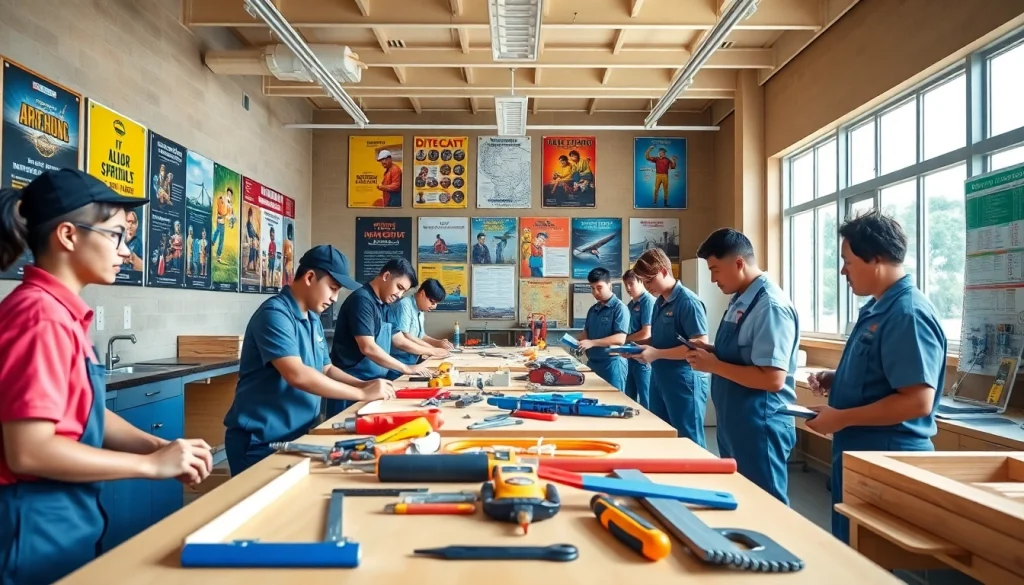
Understanding Trade Schools Oahu
What are Trade Schools?
Trade schools, also referred to as vocational schools or technical colleges, are educational institutions that specialize in providing training for specific trades or skilled professions. Unlike traditional four-year colleges and universities, trade schools focus on practical skills and hands-on experience, preparing students to enter the workforce directly after graduation. In Oahu, these schools offer a diverse range of programs tailored to meet the demands of local industries, allowing students to gain specialized training in a short period of time. This streamlining of education is particularly appealing for those who wish to start a career quickly or pursue lifelong learning while balancing other commitments.
The Importance of Vocational Training
The significance of vocational training cannot be overstated, especially in today’s fast-paced job market. With traditional degree paths becoming increasingly costly and time-consuming, more individuals are turning to vocational training as an efficient means to secure stable employment. Trade schools equip students with specific skills paired with practical experience that are often directly demanded by employers. By enrolling in trade schools oahu, learners can fill critical gaps in the workforce, particularly in essential sectors like construction, healthcare, and technology, thereby contributing to the local economy.
Popular Programs Offered
Trade schools in Oahu offer a wealth of programs catering to varied interests and career goals. Some of the most popular include:
- Construction Trades: This includes carpentry, plumbing, electrical work, and masonry, focusing on both practical skills and safety training.
- Healthcare Programs: Many trade schools offer programs for nursing assistants, phlebotomists, and medical technicians, addressing the growing demand in the healthcare sector.
- Information Technology: With the rise of the digital economy, technology programs that cover IT support, network administration, and cybersecurity are increasingly popular.
- Culinary Arts: This program provides training in food preparation, baking, and restaurant management, allowing students to follow their passion for cooking and hospitality.
- Automotive Technology: This program includes training in vehicle maintenance, repair, and diagnostics, which are vital skills in the transportation industry.
Benefits of Enrolling in Trade Schools Oahu
Career Readiness and Placement
The trajectory for success post-graduation is a major benefit of enrolling in trade schools. These institutions are often tied closely to local industries and employers, facilitating robust job placement programs. Many schools offer apprenticeships or internships as part of their curriculum, enabling students to gain real-world experience while still in training. This not only enhances their resumes but also gives them a competitive edge in the job market. With Oahu’s economy driven by construction, hospitality, and health services, graduates from these programs are often in high demand.
Hands-On Learning Experiences
One of the hallmarks of trade schools is their emphasis on hands-on learning. Students engage in practical exercises that simulate real job scenarios, helping them to develop the necessary skills and confidence they need in their chosen careers. For instance, students in electrical programs might work with live circuits to understand safety protocols and repair techniques. This experiential learning helps solidify their understanding and adaptability in various situations, making them valuable assets to employers.
Networking Opportunities within the Industry
Trade schools not only provide education but also serve as platforms for networking. Through workshops, guest lectures, and career fairs, students have opportunities to meet industry professionals and potential employers. Building a professional network while studying can lead to internship offers or job placements after graduation. Additionally, many trade schools maintain relationships with local businesses and organizations, ensuring students have access to mentorship and job openings long after they’ve completed their studies.
Choosing the Right Trade School
Factors to Consider: Accreditation and Curriculum
When selecting a trade school, accreditation is paramount. It ensures that the institution meets established educational standards and that credits earned can often be transferred to other schools if needed. Prospective students should also evaluate the curriculum offered by different schools, looking for comprehensive programs that include both theory and practical training. It’s advisable to choose a school that aligns its curriculum with industry trends and job market needs.
Evaluating Costs and Financial Aid Options
The cost of trade school can vary significantly based on the program and institution. Understanding tuition fees, material costs, and potential living expenses is crucial. Many trade schools in Oahu offer financial aid options, including grants, scholarships, and loan programs, designed to help lessen the financial burden. Students are encouraged to research and apply for financial assistance early, ensuring they can pursue their education without significant monetary stress.
Visiting Schools and Meeting Instructors
One of the best ways to decide on a trade school is by visiting the campuses. Prospective students should take the opportunity to meet instructors, tour facilities, and observe classes. Engaging with the faculty can provide valuable insights into the teaching styles and support offered. Additionally, conversing with current students can give a sense of the school culture and community, helping to ensure a good fit.
Success Stories from Trade Schools Oahu Graduates
Transformative Journeys in Skilled Trades
Many graduates from trade schools in Oahu have attested to the life-changing impact of their education. Individuals from various backgrounds have turned their passions into successful careers, illustrating that trade schools can indeed transform lives. Stories of students who have gone on to run their own businesses, excel in their trades, or achieve promotions in their fields abound, showcasing the potential for personal and professional growth that comes from attending these schools.
Job Opportunities After Graduation
The job outlook for skilled trades is increasingly positive, with many graduates finding employment shortly after completing their programs. Fields such as construction, healthcare, and technology continue to grow, creating a wealth of job opportunities. Those who graduate from trade schools often receive assistance from their schools in finding jobs, through placement services or networking events designed to connect industries with newly qualified professionals.
Community Impact of Skilled Trades Professionals
Graduates from trade schools not only advance their careers; they also contribute significantly to their communities. Skilled trades professionals play vital roles in enhancing public infrastructure, improving healthcare services, and keeping local economies vibrant. The presence of well-trained, certified individuals in the workforce often leads to improved services and products within various industries, making trade schools crucial to the economic landscape of Oahu.
Getting Started with Trade Schools Oahu
Application Processes and Timelines
Most trade schools have specific application processes that prospective students must follow. It’s important for applicants to understand these requirements well in advance. Deadlines for admissions, financial aid applications, and documentation submission can vary from one school to another. Thus, potential students should create a timeline to ensure they meet all requirements in a timely manner.
Preparing for Your Trade School Experience
Preparation for trade school can include both logistical steps, such as securing student housing or transportation, as well as mental preparation for the rigors of vocational training. Students should come ready to engage fully with their programs, open to learning both through instruction and practice. Setting career goals and developing a plan for the future can help guide students’ experiences and make the most of their time in trade school.
Resources for Future Trade Professionals
In addition to the training provided at trade schools, there are numerous resources available to support aspiring skilled trades professionals. Online platforms offer courses and certifications that complement in-person instruction, while organizations often provide networking opportunities, mentorship, and additional training. By leveraging these resources, students can enhance their skills and prepare comprehensively for successful career paths.