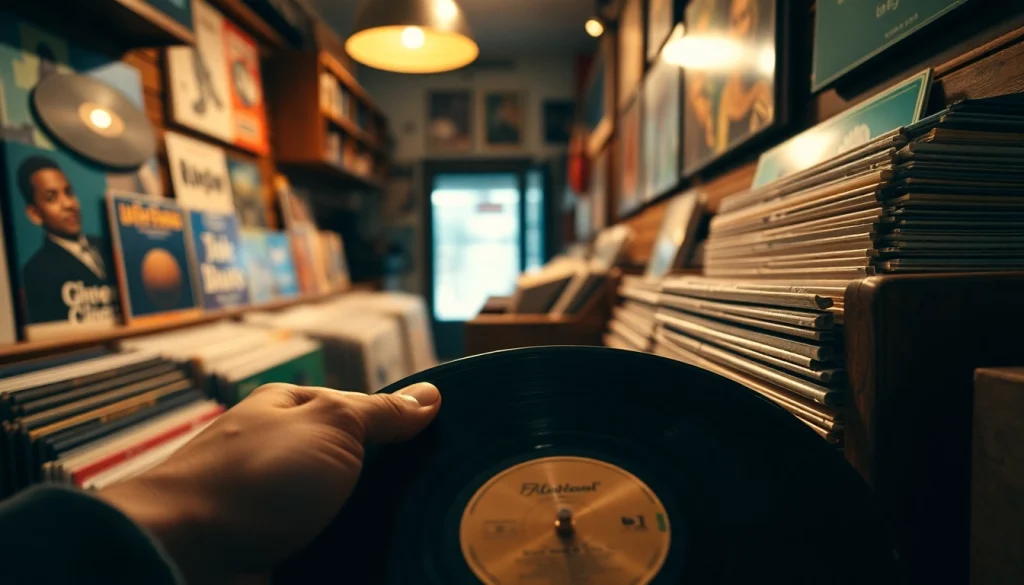
Understanding Gramaphone Records and Their Significance
Gramaphone records have carved a niche in the world of music, representing a rich tapestry of history, culture, and sound. From their inception to their modern-day revival, they are not just mere discs of vinyl or shellac; they are vessels of artistic expression and nostalgia. This article delves deep into the multifaceted landscape of gramaphone records, exploring their history, material composition, cultural significance, and resurgence in popularity.
What Are Gramaphone Records?
At their most basic, gramaphone records are analog sound storage mediums that are played on a gramophone or a turntable. They are typically made of vinyl or shellac and feature grooves that contain sound waves, which are read by a needle as it moves over the surface. The history of gramaphone records dates back to the late 19th century and has evolved through multiple technological advancements. Unlike the modern CD or digital files, gramaphone records offer a unique auditory experience that many enthusiasts and collectors cherish.
Historical Context of Gramaphone Records
The journey of gramaphone records began in the late 1800s with Thomas Edison’s invention of the phonograph. The technology progressed rapidly, leading to the production of the first commercial records. By the 1920s, gramaphone records gained immense popularity, marking the beginning of the music industry as we know it today. They dominated the music scene until the rise of magnetic tape and later digital formats. Understanding this historical context illuminates the evolution of music consumption and the technological innovations that shaped the industry.
Cultural Impact of Gramaphone Records on Music
Gramaphone records played a pivotal role in the dissemination of music across the globe. They enabled artists to reach a wider audience, promoting genres like jazz, blues, and rock and roll. Additionally, they became a cultural artifact, reflecting social dynamics and movements of their time. The advent of radio and later, television, only served to amplify their importance. Music produced on gramaphone records has influenced countless musicians and genres, establishing them as a cornerstone of modern music culture.
The Anatomy of Gramaphone Records
Understanding the anatomy of gramaphone records provides insight into why they sound the way they do and how they can be preserved and appreciated over time. The materials used, their collectibility, and proper care are crucial elements contributing to their longevity and sound quality.
Materials Used in Gramaphone Records
Historically, gramaphone records were crafted from shellac, a natural resin, which gives older records their distinctive sound quality. In modern times, vinyl—a synthetic plastic—has become the standard material for producing records. Vinyl records usually offer more durability and a richer sound, making them the preferred choice for collectors. Additionally, the thickness and weight of the records can affect sound quality; 180-gram vinyl, for instance, is known for producing superior audio fidelity.
Collectibility and Rarity of Gramaphone Records
The world of gramaphone records is filled with treasures that vary in rarity and collectibility. Some records, particularly first pressings, limited editions, or those featuring iconic artists, can fetch thousands of dollars at auction. Factors influencing their value include condition, pressing quality, and market demand. Collectors seek specific label variations or albums associated with significant cultural movements, thereby creating a vibrant community of enthusiasts.
Caring for Your Gramaphone Records
Proper care extends the life of gramaphone records and maintains their audio quality. Some critical tips include:
- Cleaning: Use a soft brush or a specialized vinyl cleaning solution to remove dust and fingerprints.
- Storage: Store records upright in a cool, dry place away from direct sunlight to prevent warping.
- Handling: Always handle records by their edges to avoid touching the grooves, which can lead to permanent damage.
Popular Genres and Artists Associated with Gramaphone Records
Gramaphone records encapsulate a plethora of genres and artists, showcasing the diversity of music from various eras.
Jazz and Blues in Gramaphone Records
Jazz and blues were some of the first genres to gain widespread popularity through gramaphone records. Iconic figures such as Louis Armstrong, B.B. King, and Ella Fitzgerald not only defined their musical styles but also helped shape the soundscapes of American culture. The improvisational nature of jazz is particularly well-suited to the warm analog sound produced by vinyl, making it a favorite among listeners and collectors alike.
Early Rock and Roll Influences on Gramaphone Records
The impact of gramaphone records reached new heights with the emergence of rock and roll in the mid-20th century. Artists like Elvis Presley, Chuck Berry, and Little Richard revolutionized music, and their records became emblematic of the era’s rebellious spirit. The physicality of records enhanced the experience, allowing fans to engage with their favorite music in an intimate way, further cementing rock and roll’s legacy in American history.
Contemporary Artists Embracing Gramaphone Records
In recent years, many contemporary artists have resurrected the love for gramaphone records, producing vinyl versions of their music. This resurgence is a nod to nostalgia, offering listeners a tangible connection to the music. Artists across genres are capitalizing on this trend, with several introducing exclusive vinyl releases that become sought-after collectibles. The tactile experience of playing a record adds a layer of appreciation that digital formats cannot replicate.
The Revival of Gramaphone Records in Modern Culture
The popularity of gramaphone records has surged in recent years, marking a significant cultural revival that reflects broader societal trends toward nostalgia and analog experiences.
Growth of Vinyl Collecting and Nostalgia
The growth of vinyl collecting reflects a broader collective nostalgia for analog experiences. Many millennials and Gen-Z individuals are rediscovering the charm of gramaphone records, inspired by the tangible nature of vinyl. The process of flipping through record collections, the artwork on album covers, and the act of physically placing a record on a turntable evoke a sensory experience that digital formats fail to provide. This desire for authenticity and connection to the past has fueled the resurgent interest in gramaphone records.
Gramaphone Records in the Digital Age
Despite the prevalence of streaming services and digital music platforms, gramaphone records hold a unique place in modern music consumption. The rise of boutique vinyl shops and resurgence in record fairs illustrates the unique appeal of physical media in a world dominated by bytes and algorithms. Many listeners are curating their digital playlists while simultaneously building personal vinyl collections, blending the best of both worlds.
Hosting Events and Listening Sessions for Gramaphone Records
Community engagement plays an essential role in the revival of gramaphone records. Many record stores host listening sessions, where enthusiasts gather to explore new releases or classic albums. These events foster a sense of community and create opportunities for people to share their passion for music. Listening parties often encourage discussions about artists, genres, and the cultural significance of the records being played. They serve as a reminder of the social aspect of music, which is sometimes lost in the digital realm.
Where to Find Quality Gramaphone Records
For those eager to dive into the world of gramaphone records, it is essential to know where to find quality options. Record stores, online marketplaces, and auctions are all excellent sources for both newcomers and seasoned collectors.
Local Shops and Online Marketplaces for Gramaphone Records
Local record shops offer a personalized shopping experience, allowing customers to browse through curated collections. Knowledgeable staff can provide recommendations and insights to enhance your collection. In addition, online marketplaces have grown in popularity, providing access to vast inventories that include both new and rare gramaphone records. Websites dedicated to vinyl sales often facilitate user reviews, ensuring what you purchase meets expected quality standards. For comprehensive exploration, gramaphone records are also featured prominently in many catalogs found online.
Auctions and Discographies of Gramaphone Records
Auction houses frequently conduct sales featuring rare gramaphone records. These events attract serious collectors looking for unique additions to their collections. Additionally, comprehensive discographies, which detail every release by a particular artist or label, serve as invaluable tools for collectors seeking specific pressings or variations. Enthusiasts often refer to discographies to verify the authenticity and condition of a record before making a purchase.
Building a Personal Collection of Gramaphone Records
Building a personal collection requires both passion and strategy. Start by identifying which genres or artists resonate most with you. Focus on acquiring timeless records, which not only maintain their value but also offer historical insights. Networking with other collectors through forums, social media groups, or local record fairs can provide invaluable tips and support. Regularly monitoring market trends and valuing records based on condition and rarity will ensure your collection grows both in size and significance over time.