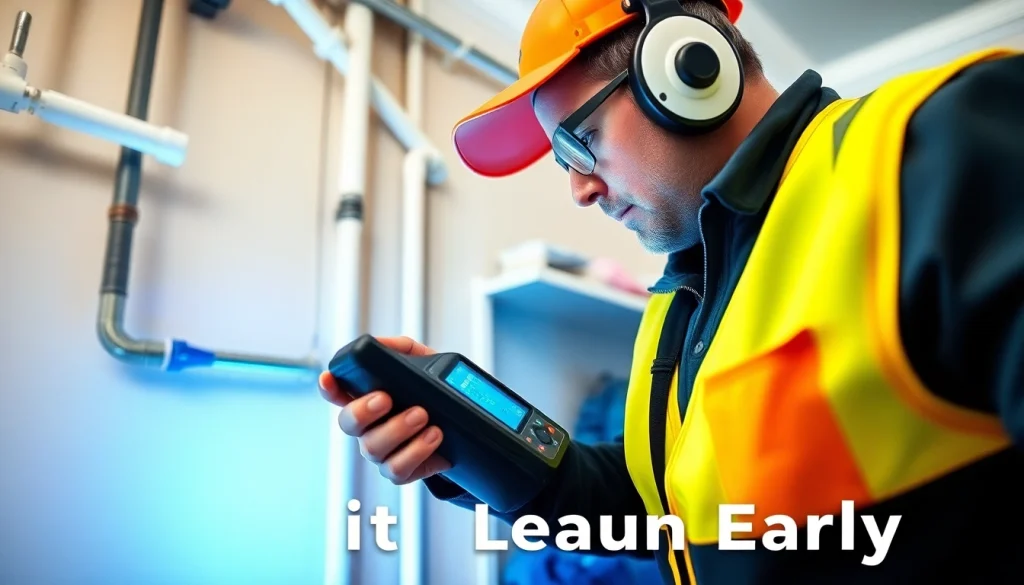
Understanding Leak Detection
Leak detection is a critical process in maintaining the integrity of both residential and commercial properties. With water damage being one of the most common and costly issues faced by property owners, knowing how to identify and address leaks early can save time, money, and hassle. This article will explore the nuances of leak detection, its importance, common types of leaks, and various methods available to ensure that your property remains safe and sound. For professional solutions, consider exploring Leak Detection services tailored to meet your needs.
What is Leak Detection?
Leak detection refers to the methods and techniques used to identify the presence of leaks in a variety of settings, such as plumbing systems, roofs, and underground infrastructure. The primary goal is to detect and locate leaks before they can cause significant damage. This process can involve a range of technologies and practical expertise, depending on the specific leak context.
Importance of Timely Leak Detection
The consequences of undetected leaks can be severe, leading to structural damage, mold growth, and elevated utility bills. Moreover, prolonged exposure to moisture can compromise the integrity of building materials and pose health risks due to mold and mildew. Timely detection allows property owners to minimize damage, reduce repair costs, and maintain a safe living environment. In many cases, early intervention not only saves money but also preserves the longevity of the property.
Common Types of Leaks
Understanding the different types of leaks can assist in their detection and management:
- Plumbing Leaks: These occur in pipes, fixtures, or appliances and can be caused by wear, corrosion, or freezing temperatures.
- Roof Leaks: Often caused by damage from storms or age, roof leaks can lead to water intrusion into the home.
- Slab Leaks: Located underneath the concrete foundation of a building, slab leaks can be difficult to detect but result in significant damage if left unaddressed.
- Gas Leaks: While not water-related, gas leaks pose serious safety hazards and require immediate attention.
- Pool Leaks: Leaks in swimming pools can lead to water loss and increased costs for maintenance and repairs.
Methods of Leak Detection
There are myriad methods for detecting leaks, with options ranging from traditional techniques to advanced technological solutions. The choice largely depends on the specific circumstances of the leak and the environment in which it is found.
Traditional Methods Overview
Before the advent of sophisticated technology, leak detection relied on several traditional methods, including:
- Visual Inspection: Checking for visible signs such as water stains, damp patches, or mold can often indicate a leak.
- Water Meter Monitoring: Comparing water meter readings over a specific timeframe can help indicate if there is an undetected leak.
- Pressure Testing: This involves assessing the pressure within pipes to identify potential leaks.
Advanced Tools and Technologies for Leak Detection
As technology has progressed, numerous advanced tools have emerged to enhance the accuracy and efficiency of leak detection:
- Acoustic Listening Devices: These tools amplify the sound of water leaking within pipes, allowing technicians to pinpoint the source of the leak.
- Infrared Thermography: This method uses thermal imaging to detect temperature variations, which can indicate moisture presence from leaks.
- Tracer Gas Detection: A non-toxic gas is introduced into the system, and the path of the gas is monitored to locate leaks.
- Moisture Meters: These devices can detect the moisture content in building materials, helping identify hidden leaks.
How Technology Enhances Accuracy
The integration of advanced technology in leak detection has drastically improved accuracy and efficiency. Technologies such as Artificial Intelligence (AI), machine learning, and data analytics can analyze patterns and predict potential leak areas based on historical data. Additionally, real-time monitoring systems allow property owners to receive immediate alerts about leaks, enabling quicker responses and damage mitigation.
Choosing a Leak Detection Service
Selecting the right leak detection service is crucial for ensuring effective leak management and resolution. Not all services are created equal, so careful consideration is needed.
Key Factors to Consider
When evaluating a leak detection provider, consider the following factors:
- Experience and Reputation: Look for companies with a proven track record and positive reviews from previous clients.
- Methods Used: Ensure the company utilizes modern, non-invasive technology for leak detection to minimize property disruption.
- Certifications and Licensing: Verify that the service is licensed to operate in your area and that technicians hold necessary certifications.
- Insurance: Confirm that the company has liability insurance to protect against potential damages during the process.
Tips for Hiring Professionals
To ensure a successful experience when hiring leak detection professionals, follow these tips:
- Ask for Recommendations: Seek referrals from friends, family, or online reviews to find reputable providers.
- Request Quotes: Obtain quotes from multiple services to compare pricing and services offered.
- Conduct Interviews: Engage directly with the company to ask questions about their processes and technologies.
- Check References: Request references from past clients and follow up to understand their experiences.
Questions to Ask Your Leak Detection Service
Before finalizing your choice, ensure you inquire about the following:
- What methods do you use for leak detection?
- What is your process for locating and repairing leaks?
- How long will the inspection take?
- Are your services backed by a warranty?
- What precautionary measures do you take to avoid property damage?
Cost of Leak Detection Services
The cost of leak detection services can vary widely based on multiple factors. Understanding these costs can help homeowners allocate a budget and make informed decisions.
Average Cost Breakdown
On average, leak detection services can cost between $175 and $350. However, the price can fluctuate based on the complexity of the situation:
- Basic Inspections: Typically range from $75 to $150.
- Advanced Detection Techniques: Costs may vary from $300 to $800, especially for non-invasive technologies.
- Emergency Services: May incur higher rates, with fees scaling based on time of service and urgency.
Factors Influencing Price
Several factors can influence the total cost of leak detection services, including:
- Type of Leak: Different leak types may require different approaches and technologies, affecting cost.
- Location: Difficult-to-access areas may increase labor and time, thus increasing costs.
- Time to Detect and Repair: More time-consuming investigations may lead to higher service fees.
How to Budget for Leak Detection
To effectively budget for leak detection services, consider the following steps:
- Assess Past Experiences: Reflect on previous leak issues to gauge potential costs.
- Consult Professionals: Obtain cost estimates from multiple providers before deciding.
- Factor in Future Maintenance: Include potential ongoing maintenance and preventative measures in your budget.
Preventative Measures and Maintenance
Taking preventative action is critical for minimizing the likelihood of leaks and mitigating damage. Here are some effective strategies property owners can employ.
Regular Maintenance Practices
Routine maintenance practices can help detect potential problems before they escalate into serious issues:
- Inspect Plumbing Systems: Regularly check pipes, fittings, and connections for visible signs of wear.
- Monitor Water Pressure: Excessively high water pressure can cause stress on pipes and fittings.
- Keep Gutters and Downspouts Clear: Prevent blockages to ensure the efficient flow of water away from your property.
- Check Appliances: Regularly inspect refrigerators, dishwashers, and washing machines to identify any leaks.
Smart Devices for Early Leak Detection
Investing in smart technology can prove beneficial for early leak detection:
- Smart Water Monitors: Devices like the Flo Smart Water Monitor can provide real-time monitoring and automatic shutoff.
- Wireless Leak Sensors: Place sensors in potential leak-prone areas to receive alerts and take prompt action.
- Moisture Detectors: Utilize moisture meters in basements and crawlspaces to track humidity levels and identify risks.
Long-term Benefits of Preventative Action
Investing in preventative measures can yield numerous long-term benefits, including:
- Cost Savings: Early leak detection saves costly repairs and mitigates damage-related expenses.
- Increased Property Value: Properties that are well-maintained typically see a higher resale value.
- Enhanced Safety: Regular inspections help reduce mold growth, promoting a healthier living environment.
- Peace of Mind: Knowing your property is safeguarded against leaks allows for more tranquil living.