

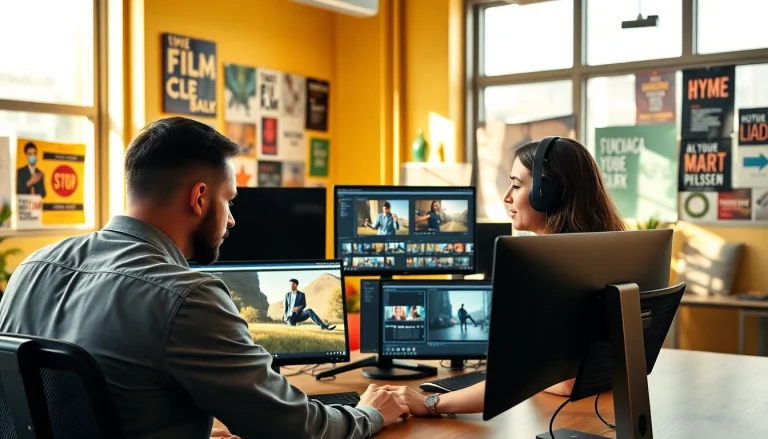
Understanding Video Editing Services
Video editing services have become an essential part of content creation, significantly impacting everything from personal projects to professional productions. With the rising demand for video content in marketing, entertainment, and education, understanding the nuances of video editing services is crucial for anyone looking to enhance their visual storytelling. These services encompass a plethora of techniques designed to refine raw footage into a polished final product, making it crucial for creators to grasp their value and capabilities. For those seeking effective solutions, exploring video editing services can provide the necessary expertise to boost the quality of their videos.
What Are Video Editing Services?
Video editing services involve a comprehensive array of tasks that manipulate and enhance raw video footage. This process is vital in numerous contexts—including commercially produced films, documentaries, corporate videos, social media content, and personal projects. Video editors take the initial material and apply various techniques to create a coherent, engaging narrative.
The services typically include cutting, splicing, color correction, sound editing, adding effects, and more. Skilled video editors employ specialized software like Adobe Premiere Pro, Final Cut Pro, and DaVinci Resolve to execute these edits with precision. As video editing technology evolves, editors are tasked with not just maintaining quality but also adapting to new trends and viewer preferences.
Types of Video Editing Services Available
There are several types of video editing services available to cater to various needs, including:
- Social Media Video Editing: Short, engaging clips tailored for platforms like Instagram, TikTok, and Facebook.
- Corporate Video Editing: Professional edits designed for business presentations, training videos, and promotional content.
- Long-Form Video Editing: Editing for films, documentaries, webinars, and other lengthy content that requires careful pacing and narrative development.
- Event Video Editing: Capturing and editing footage from events such as weddings, conferences, or parties, often with personal touches like music and effects.
- Commercial Video Editing: Creating compelling advertisements that effectively engage the target audience through visuals and storytelling.
Common Industries Utilizing Video Editing Services
The application of video editing services spans across diverse industries. Common sectors engaging in these services include:
- Media and Entertainment: Film and television production companies lean on professional editors to enhance narrative flow and visual appeal.
- Marketing and Advertising: Businesses opt for high-quality edits to create promotional materials that resonate with consumers.
- Education: Institutions increasingly use video content for instructional materials and online courses, benefiting from clear, engaging edits.
- Real Estate: Virtual tours and listings leverage video editing to showcase properties in the best light, enhancing the chances of sale or rental.
- Online Content Creation: YouTubers, influencers, and brands require adept editing to maintain viewer engagement and quality across their channels.
Key Features of Quality Video Editing Services
Essential Editing Techniques
Effective video editing requires a dexterous application of various editing techniques. Some of the essential techniques employed by professional video editors include:
- Cutting and Trimming: Removing unnecessary footage to enhance pacing and keep the audience’s attention.
- Transitions: Utilizing cuts, fades, or dissolves to create fluid motion between scenes.
- Color Correction: Adjusting colors to ensure consistency and evoke the desired mood or emotion.
- Sound Editing: Ensuring audio quality through mixing music, dialogues, and sound effects appropriately.
- Graphic Overlays: Adding text, logos, or animations to convey information effectively, often seen in promotional materials.
Importance of Audio and Visual Quality
The significance of audio and visual quality in video editing cannot be overstated. High-quality visuals attract viewers, holding their attention and enhancing the message being conveyed. Meanwhile, audio elements are pivotal; poor sound quality can detract from even the most visually stunning content.
Investing in quality editing ensures clear audio, appropriate volume levels, and impeccable synchronization between visuals and sound, contributing to a professional finish. As audiences grow accustomed to high standards in online content, ensuring top-notch audio and visual quality has become paramount for video editors.
Customizable Video Solutions for Clients
Understanding that each client has unique needs is central to providing quality video editing services. Customization permits editors to adapt their techniques and approaches based on different factors—such as the target audience, the platform used for distribution, and the desired outcome of the video project.
Many professional editing services offer packages tailored to specific goals, whether it’s boosting brand awareness through compelling advertisements or producing heartfelt wedding videos. This personalized approach not only enhances customer satisfaction but also leads to better results.
How to Choose the Right Video Editing Services
Identifying Your Editing Needs
The first step in selecting a video editing service is to identify your specific needs. This involves understanding the type of content you will be producing, the expected timeline for delivery, and the budget you have allocated. Different projects require different skill sets, so defining these parameters is essential.
Evaluating Professional Video Editing Companies
Once your needs are clear, it’s crucial to evaluate potential video editing companies. Important factors to consider include:
- Portfolio: Reviewing previous work can give you insight into the company’s style and expertise.
- Client Testimonials: Feedback from former clients can highlight the company’s reliability and quality of service.
- Turnaround Time: Understand the typical completion time and whether it aligns with your deadlines.
- Communication: Assess how well they communicate throughout the editing process to ensure a smooth workflow.
Understanding Pricing and Packages
Pricing for video editing services can vary widely based on complexity, duration, and quality. It is critical to understand how fees are structured:
- Hourly Rates: Many editors charge hourly rates, which can range based on their experience level.
- Flat Rates: Some services provide fixed pricing for specific packages, allowing for easier budgeting.
- Subscription Models: Services offering monthly subscriptions can appeal to businesses with ongoing video needs without the burden of individual costs.
Best Practices for Using Video Editing Services
Pre-Production Tips for Smooth Editing
Successful video editing begins long before the editing process. Pre-production steps can set the stage for a more efficient editing phase:
- Storyboarding: Create a visual outline that details the flow of the video.
- Shot Lists: Have a list of required footage for efficient shooting, which can minimize editing time.
- Gathering Assets: Organize any necessary music, graphics, or additional footage beforehand to streamline the editing process.
Collaborating Effectively with Editors
Open communication with your editor is vital for achieving your vision. Provide them with:
- Clear Guidance: Specify your stylistic preferences and provide examples if available.
- Regular Feedback: Be prepared to give constructive feedback at various stages, which encourages collaboration to refine the project further.
- Trust in Your Editor’s Expertise: While you should maintain oversight, be open to your editor’s suggestions as they bring valuable knowledge to the table.
Post-Production Strategies for Enhanced Results
After the editing is complete, the right post-production strategies can significantly enhance the video’s impact:
- Quality Control: Review the final edit for any inconsistencies or mistakes before distribution.
- Marketing Distribution: Ensure you have a solid distribution plan for social media, websites, or other platforms.
- Gathering Analytics: Post-release performance metrics can provide valuable insights for future projects.
Future Trends in Video Editing Services
Emerging Technologies in Video Editing
As technology continues to advance, the landscape of video editing is changing. Key trends to watch include:
- 360-Degree Video Editing: The rise of virtual reality content is driving demand for innovative editing techniques.
- Cloud-Based Editing: More companies are adopting cloud-based solutions that allow team members to collaborate from various locations.
- Mobile Editing Solutions: With the increasing use of smartphones to shoot high-quality video, mobile editing applications are gaining popularity.
Shifts in Viewer Preferences and Content Delivery
Today’s viewers are increasingly discerning, preferring high-quality, impactful content that conveys a message quickly. This has resulted in a rise in short-form content and an emphasis on storytelling that connects with audiences on an emotional level. Editors must adapt to these trends to keep viewers engaged, ensuring that cuts are rhythmically paced and that visual appeal aligns with modern aesthetics.
The Role of AI in Video Editing Services
Artificial intelligence is transforming the video editing process by automating repetitive tasks and enhancing creative capabilities. AI-driven tools can assist in color grading, audio leveling, and even suggest cuts based on pacing and visual cues. While they are not a replacement for human editors, they are invaluable assets, streamlining workflows and allowing professional editors to focus on the artistic aspects of their work.