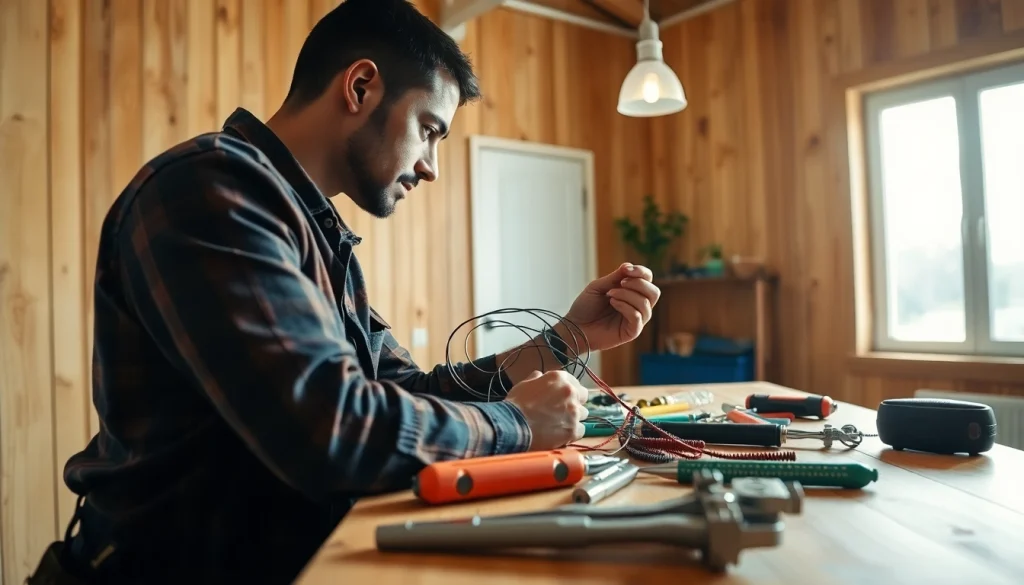
Understanding Electrician Apprenticeships in Hawaii
If you’re considering a career in electrical work, enrolling in an electrician apprenticeship hawaii program can set you on a path to success. This structured approach to learning combines practical experience with classroom instruction, enabling aspiring electricians to gain the skills and knowledge needed in the field. Understanding what an electrician apprenticeship entails and its benefits is vital to making informed decisions about your career.
What is an Electrician Apprenticeship?
An electrician apprenticeship is a training program that combines on-the-job training with classroom education. Over the course of several years—typically around four—you will work under a licensed electrician, absorbing practical expertise while also completing related educational coursework. Apprenticeships are essential stepping stones in the electrical profession, as they provide hands-on experience in real-world settings, ensuring that you grasp essential practices and comply with safety standards.
Requirements to Enroll in an Electrician Apprenticeship
The prerequisites for entering an electrician apprenticeship in Hawaii may vary depending on the program. However, common requirements include:
- Minimum age of 18 years.
- High school diploma or GED.
- Valid driver’s license.
- Background checks and drug testing as needed.
Some programs may also prefer candidates who have completed relevant coursework in mathematics and sciences, as these subjects provide a foundation for understanding electrical concepts.
Benefits of Completing an Electrician Apprenticeship
Completing an electrician apprenticeship offers numerous advantages, including:
- Hands-On Experience: Apprentices gain on-the-job training, allowing them to learn practical skills in a safe environment under the guidance of experienced electricians.
- Financial Support: Apprentices typically earn a wage while they learn, which can help support their living expenses during the training period.
- Career Advancement: Upon completion, apprentices are often eligible to take the examination for licensure, opening doors to increased job opportunities and higher salaries.
- Networking Opportunities: Working within the industry enables apprentices to build professional networks with potential employers and colleagues.
Finding Electrician Apprenticeships in Hawaii
Top Organizations Offering Electrician Apprenticeships
- Hawaii Electricians Training Fund: This organization offers comprehensive training programs covering various electrical trades.
- IBEW Local 1186: The International Brotherhood of Electrical Workers provides valuable apprenticeship opportunities throughout Hawaii.
- Hawaiian Electric: They offer a trades apprenticeship program, particularly focused on electrical safety and standards.
How to Apply for an Electrician Apprenticeship
Applying for an electrician apprenticeship involves several steps:
- Research potential apprenticeship programs and determine the right fit for your career goals.
- Prepare an updated resume highlighting your education and any relevant work experience.
- Submit applications to your chosen programs—be mindful of deadlines and required documentation.
- Prepare for interviews by practicing common questions and demonstrating your passion for the trade.
Networking Tips for Aspiring Electricians
Networking can significantly enhance your apprenticeship prospects. Here are some effective strategies:
- Attend trade shows and industry-related events to meet professionals.
- Join local electrical associations to connect with other electricians.
- Utilize social media platforms like LinkedIn to build your professional profile and engage with industry leaders.
Training and Curriculum for Electrician Apprentices
Core Curriculum in Electrician Apprenticeships
The curriculum for electrician apprenticeships typically covers areas such as:
- Basic electrical theory and principles.
- Electrical codes and standards (NEC).
- Wiring methods and tools.
- Blueprints and technical drawings.
This foundation in theory is crucial as it helps apprentices understand the technical aspects of electrical work.
On-the-Job Training: What to Expect
During the on-the-job training component of your apprenticeship, you can expect to:
- Work closely with seasoned electricians, shadowing their tasks and learning through observation.
- Participate in hands-on projects, allowing you to apply your classroom knowledge in practical settings.
- Receive constructive feedback from mentors to aid your development.
Essential Skills Developed During Apprenticeship
As an apprentice, you’ll develop critical skills such as:
- Problem-solving and analytical thinking.
- Attention to detail, vital for ensuring safety and compliance.
- Strong communication skills to effectively work with clients and colleagues.
- Technical knowledge encompassing both installation and repair aspects of electrical systems.
Challenges Faced in Electrician Apprenticeships
Common Obstacles for Apprentices in Hawaii
While electrician apprenticeships offer valuable training, some challenges may arise, including:
- Competition for available apprenticeship slots in high-demand areas.
- Balancing work and educational commitments, which can be particularly tough for those with family or financial responsibilities.
- Adapting to workplace culture and learning expectations that can vary significantly from one employer to another.
How to Overcome Challenges in Your Apprenticeship
Here are some strategies for overcoming potential challenges during your apprenticeship:
- Time Management: Develop a structured daily schedule that includes time for training, studying, and personal responsibilities.
- Seek Support: Connect with fellow apprentices and mentors who can offer guidance and camaraderie during tough times.
- Stay Positive: Maintain a positive attitude toward learning; challenges can provide opportunities for growth.
Support Resources for Electrician Apprentices
Hawaii offers various support resources for electrician apprentices:
- Trade Associations: Organizations like IBEW and local electrical contractors frequently offer mentorship and training materials.
- Online Forums: Platforms such as Reddit have communities where you can ask questions and gain insights from experienced electricians.
Career Advancement After Completing an Electrician Apprenticeship
Licensing and Certification for Electricians in Hawaii
To work as a licensed electrician in Hawaii, you must pass a certification exam after completing your apprenticeship. Licensing requirements generally include:
- Documenting your completed apprenticeship hours.
- Preparing for the National Electrical Code (NEC) exam, which tests your knowledge of electrical codes.
- Keeping up with continuing education requirements to maintain your license and stay updated on industry changes.
Job Opportunities for Qualified Electricians
A successful apprenticeship can open numerous doors within the electrical industry, including:
- Residential wiring roles, where you install and repair electrical systems in homes.
- Commercial electrical work, focusing on larger projects like office buildings and factories.
- Specialized positions in renewable energy, such as solar installation.
Long-Term Career Paths in Electrical Work
As you advance in your electric career, numerous long-term paths are available. You might choose to become:
- An electrical foreman or supervisor, overseeing crews and projects.
- A project manager, focusing on logistics and client relations for larger electrical contracts.
- A licensed contractor, allowing you to operate your own business.
Whichever path you choose, continuous learning and adapting to new technologies in the field will remain essential to your career growth.