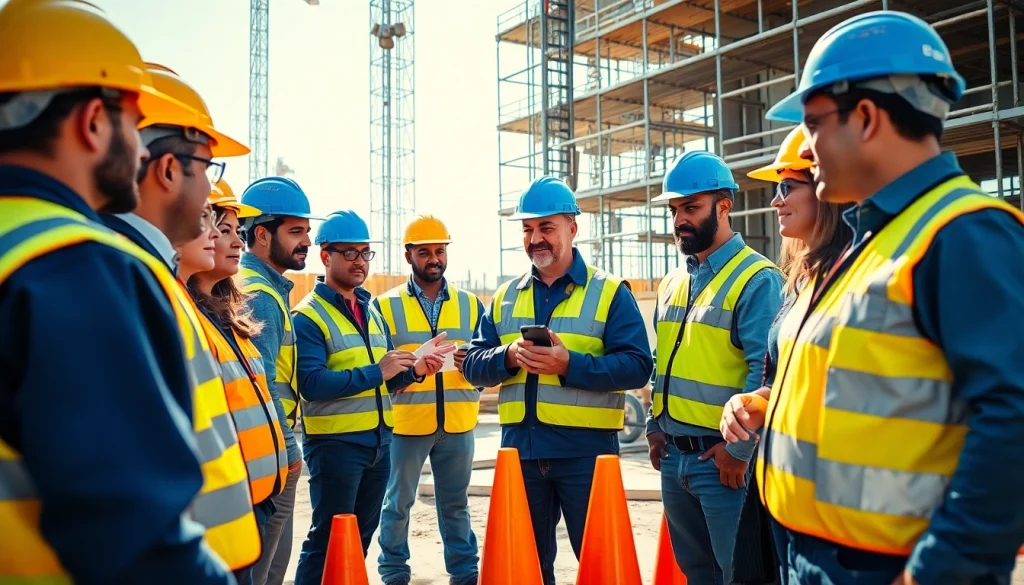
The Importance of Construction Safety Training in Colorado
Construction is one of the most hazardous industries, and in Colorado, the stakes are particularly high due to the diverse terrain and varied working conditions. This makes construction safety training colorado an essential requirement for all workers involved in the industry. Understanding the regulations set by OSHA (Occupational Safety and Health Administration) and the unique challenges faced in Colorado is paramount for ensuring a safe working environment.
Understanding OSHA Regulations and Standards
The Occupational Safety and Health Administration (OSHA) sets forth regulations designed to ensure safe and healthful working conditions for all employees. In Colorado, these regulations are particularly critical, given the state’s commitment to safety standards. Employers are mandated to provide a workplace that is free from recognized hazards that could cause impairment or death. A key component of this is the completion of OSHA-compliant safety training programs.
OSHA’s regulations specify various requirements for training in specific areas, including trenching, fall protection, and the handling of hazardous materials. Workers on construction sites must thoroughly understand these regulations not only to comply with the law but also to protect themselves and their colleagues. Regular updates to training materials and requirements ensure that workers stay informed about the latest safety practices and standards.
Benefits of Comprehensive Safety Programs
Implementing a comprehensive safety program provides numerous advantages for companies in the construction sector. These benefits include:
- Reduced Accident Rates: Effective training leads to lower accident and injury rates, which not only protects workers but also reduces liability for employers.
- Increased Productivity: A well-trained workforce operates more efficiently and effectively, minimizing downtime due to accidents or safety violations.
- Enhanced Reputation: Companies known for prioritizing safety attract better talent and gain a competitive edge in bidding for projects.
- Regulatory Compliance: Staying compliant with OSHA regulations minimizes the risk of legal issues and potential fines.
Common Risks in the Colorado Construction Industry
Colorado’s unique environmental conditions present several risks that construction workers need to be aware of:
- Altitude Issues: Working at high altitudes presents risks such as altitude sickness, making proper training essential for workers to recognize symptoms and take necessary precautions.
- Weather Conditions: Colorado is known for its rapidly changing weather. Workers must be educated on handling extreme conditions, whether it be winter snowstorms or summer thunderstorms.
- Equipment Safety: Workers often use heavy machinery and tools that can pose significant risks if not operated correctly. Understanding these tools is crucial for safety.
- Hazardous Materials: Many construction projects involve materials that can be harmful if mishandled. Training on the correct handling and disposal of these substances is critical.
Types of Construction Safety Training Offered
In response to the array of risks and challenges, there are various types of construction safety training sessions available in Colorado. Tailoring training to meet specific industry needs enhances safety outcomes.
Overview of OSHA-Authorized Courses
OSHA-authorized courses are the cornerstone of safety training in construction. These courses provide foundational knowledge on worker rights, employer responsibilities, and specific job hazards. Among the most popular are:
- OSHA 10-Hour Construction Course: This course focuses on basic safety awareness and the rights of workers within the construction environment.
- OSHA 30-Hour Construction Course: A more in-depth course designed for supervisors and those in leadership positions requiring a thorough understanding of workplace safety issues.
Specialized Training Programs for Different Trades
Recognizing that different trades face unique risks, many organizations offer specialized training tailored to various aspects of the construction industry:
- Electrical Safety Training: Focuses on the safe installation and maintenance of electrical systems to prevent shock and fires.
- Fall Prevention Training: Teaches techniques and regulations to prevent falls, one of the leading causes of construction-related fatalities.
- Scaffold Safety Training: Ensures that workers understand the risks associated with scaffold use and how to mitigate them effectively.
- Hazardous Materials Training: Covers protocols for dealing with various hazardous substances encountered on a construction site.
Emergency Response and First Aid Training
Emergency response training is essential for preparing workers to handle accidents and emergencies. This includes:
- First Aid Training: Employees learn to respond quickly to injuries, which can significantly improve outcomes.
- CPR Certification: Certificate programs help workers provide life-saving CPR techniques until professional help arrives.
- Emergency Evacuation Procedures: Training on how to safely organize an evacuation during emergencies like fires or earthquakes.
How to Choose the Right Construction Safety Training Provider
Selecting an appropriate training provider is critical to ensuring that employees receive quality education conducive to a safe workplace. Consider the following factors when making your choice:
Evaluating Credentials and Experience
Choose a training provider that possesses the requisite credentials. This includes certification from OSHA and experience within the construction industry. Research the instructors’ qualifications as well; experienced trainers can often provide real-world examples that resonate with learners more than textbook methodologies.
User Reviews and Testimonials
Feedback from past participants offers insight into the training provider’s effectiveness. Look for reviews on independent platforms to gauge customer satisfaction and gather information on the real-world applicability of the training provided.
Comparing Costs and Course Offerings
While cost should not be the sole deciding factor, it is essential to evaluate what is included in the training fees. Some providers may offer more comprehensive programs than others. Consider costs in relation to the quality of training and follow-up support offered, such as refresher courses or resources for ongoing education.
Preparing for Construction Safety Training Success
Once a provider is selected, preparation for training is vital for maximizing outcomes. Here are important factors to consider:
What to Expect on Training Day
Training sessions will typically include presentations, hands-on demonstrations, and group discussions. It’s crucial for participants to arrive prepared and ready to engage. Depending on the program, there may be a mixture of classroom time and field work.
Materials and Resources Needed
Participants should check in advance what materials they need to bring, such as safety gear or specific tools. Some training providers may supply all necessary materials, but being prepared can enhance the training experience.
Post-Training Assessments and Certifications
After completing training, participants may be required to pass assessments to obtain certification. This ensures they can demonstrate what they have learned and are capable of applying safety practices on the job. Certifications are often valid for a specific period, requiring ongoing education and re-certification to maintain compliance.
Measuring the Impact of Safety Training
Post-training, it is essential to assess the impact of safety training initiatives to ensure continued compliance and improvement in workplace safety.
Key Performance Indicators for Safety Improvement
Measuring success in safety training can be demonstrated through various key performance indicators (KPIs), including:
- Incident Rates: Tracking the number of workplace accidents before and after training can illustrate the program’s effectiveness.
- Near-Miss Reports: An increase in near-miss reporting post-training shows that workers are more aware and proactive about safety.
- Employee Feedback: Gathering qualitative feedback from employees on training effectiveness can assist in refining future training sessions.
Continuous Learning and Ongoing Education
In the ever-evolving field of construction safety, continuous education is crucial. Encourage workers to participate in ongoing training programs to remain informed about new safety standards and technologies. Offering incentives for continued education can enhance participation and foster a culture of safety.
Building a Culture of Safety in Your Organization
Finally, creating a culture that prioritizes safety beyond scheduled training sessions is vital. This requires consistent communication about safety practices, leadership that models safe behavior, and open channels for reporting unsafe conditions without fear of reprisal. Emphasizing the importance of safety as a core value of the organization helps ensure that safety remains a priority at all levels.