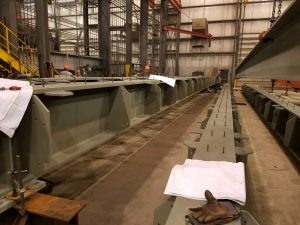
Understanding Steel Structure Design
Steel structure design is an integral part of the architectural and engineering process, facilitating the creation of durable and reliable buildings. This field combines principles from various disciplines, including structural engineering, architecture, and environmental science, to create safe and functional living and working spaces. The necessity for effective design is paramount, and incorporating advanced technologies alongside traditional methods can enhance the quality, efficiency, and sustainability of buildings.
For insights into effective steel structure design, understanding its foundational concepts is essential.
What is Steel Structure Design?
Steel structure design pertains to creating frameworks for buildings or structures using primarily steel. This process involves determining the types of structural components required, assessing the loads they must bear, and ensuring that the overall design meets safety and performance criteria. Structural engineers often work with architects to integrate both aesthetic and functional aspects into their designs, ensuring a seamless transition from concept to construction.
Importance of Steel in Construction
Steel is a preferred material in construction due to its high strength-to-weight ratio, making it remarkably efficient for a variety of applications. Its resilience against environmental factors, such as moisture and pests, ensures longevity and reduces maintenance costs. Moreover, steel’s flexibility allows for intricate designs while still adhering to load-bearing requirements, which is crucial for modern architecture.
Basic Components of Steel Structures
Several key components play a role in steel structures. These include:
- Beams: Horizontal elements that support loads from floors and roofs.
- Columns: Vertical structures that transfer loads to the foundations.
- Bracing: Used to provide lateral stability and resist forces, such as wind and earthquakes.
- Connections: Joints that link individual elements, critical for maintaining structural integrity.
- Decking: Often used for floors and roofs, it helps in distributing loads across the beams and columns.
Principles of Effective Steel Structure Design
Key Design Principles to Consider
It’s vital to adhere to several core principles when designing steel structures. These principles include:
- Stability: Ensuring that the structure can withstand various loads without excessive deformation.
- Strength: Sizing members adequately to support anticipated loads, considering factors such as tension, compression, and shear forces.
- Durability: Selecting quality materials and protective coatings to enhance the structure’s life span.
- Efficiency: Optimizing material usage to minimize waste and reduce costs while ensuring safety and performance.
Load-Bearing Capacity and Stability
Understanding load scenarios is crucial in steel structure design. Structures face a variety of forces, including dead loads (permanent/static loads like the structure’s own weight) and live loads (temporary/variable loads from occupancy, equipment, etc.). Engineers must analyze these forces through load computations to guarantee stability and prevent structural failure. Additionally, factors such as environmental loads, including wind and seismic activity, should be integrated into design considerations.
Material Selection for Durability
The choice of materials is critical in steel structure design. Apart from steel grades which vary in strength and flexibility, considerations must also include resistance to corrosion, especially in environments prone to moisture or chemicals. Protective measures such as galvanization or paint coatings can effectively enhance the durability of steel structures, ensuring they retain their integrity over time.
Analyzing Different Design Methods
Simple versus Continuous Design
One major distinction in steel structure design methodologies is between simple and continuous structures.
- Simple Design: Involves structures where beams are simply supported by columns. This approach allows for straightforward calculations and is often used for smaller or less complex designs.
- Continuous Design: Refers to structures that involve multiple spans and joints, enabling greater load distribution and reduced material use. However, this approach typically requires more advanced analytical techniques due to its complexity.
Innovative Design Approaches
Modern design methodologies often leverage cutting-edge technologies and methodologies. This includes the use of parametric design, which allows architects to explore various design permutations quickly, optimizing both aesthetics and functionality. Advanced analytics and simulations, such as Finite Element Analysis (FEA), enhance accuracy in predicting structural behavior under different load conditions.
Common Software Tools for Steel Design
Professionals employ various software solutions to aid in the design of steel structures. Popular tools include AutoCAD for drafting, SAP2000 and ETABS for analysis and design, and Revit for integrating architectural design with structural analysis. These tools often feature built-in compliance checks with relevant building codes, easing the design process significantly.
Best Practices in Steel Structure Design
Planning and Layout Optimization
Strategic planning is vital for optimal layout in steel structure design. This includes considering the flow of space, accessibility, and structural relationships among various components. Early-stage planning should involve collaboration among architects, engineers, and builders, ensuring that the design meets users’ needs while adhering to safety and regulatory standards.
Safety Standards and Compliance
Compliance with regulations and safety standards is not optional; it is a requirement for all construction projects. Familiarizing oneself with standards such as the American Institute of Steel Construction (AISC) guidelines, International Building Code (IBC), and local building codes is critical for maintaining structural safety and integrity. Regular safety audits and checks throughout the design and construction phases further reinforce compliance.
Collaborative Design Techniques
Effective communication between stakeholders significantly improves design outcomes. Utilizing Building Information Modeling (BIM) facilitates collaboration, allowing various parties to visualize and interact with the design. This collaborative process aids in identifying potential issues before construction begins, reducing risks and enhancing project completion efficiency.
Exploring Future Trends in Steel Structure Design
Sustainable Practices and Materials
Sustainability is becoming increasingly important in steel structure design. Using recycled steel, which maintains structural quality while reducing environmental impact, is one approach. Additionally, incorporating energy-efficient designs and ensuring overall lifecycle assessment in material choices are essential trends driving modern construction practices.
Technological Innovations in Design
Technological advancements continue to reshape the steel structure design landscape. Innovations, such as the use of Artificial Intelligence (AI) for predictive analytics and Machine Learning (ML) for design optimization, promise to enhance efficiency and safety. Technologies like 3D printing are also beginning to disrupt traditional methods, providing opportunities for more complex and efficient designs.
Case Studies of Innovative Steel Structures
Several noteworthy projects demonstrate the potential of modern steel structure design. For instance, the Burj Khalifa in Dubai has set records not only in height but also in design efficiencies, utilizing advanced steel materials. Another example is the London Aquatics Centre, which exhibits a remarkable use of steel in its flowing design, showcasing aesthetic and functional integration within the steel structure.
Frequently Asked Questions
What are the primary components of a steel structure?
The primary components include beams, columns, braces, connections, and decking, each playing a critical role in maintaining the structure’s stability and functionality.
How do you ensure the durability of a steel structure?
Durability can be ensured through proper material selection, protective coatings against corrosion, regular maintenance, and adherence to design standards.
What software is essential for steel structure design?
Essential software includes AutoCAD for drafting, SAP2000 and ETABS for structural analysis, and Revit for BIM integration in design processes.
What types of load must be considered in design?
Design must account for dead loads, live loads, environmental loads (wind and seismic), and any additional loads specific to the building’s application.
How important is compliance with safety standards?
Compliance is crucial, as it ensures the safety and integrity of structures, protects end-users, and helps avoid legal liabilities and costly modifications later.