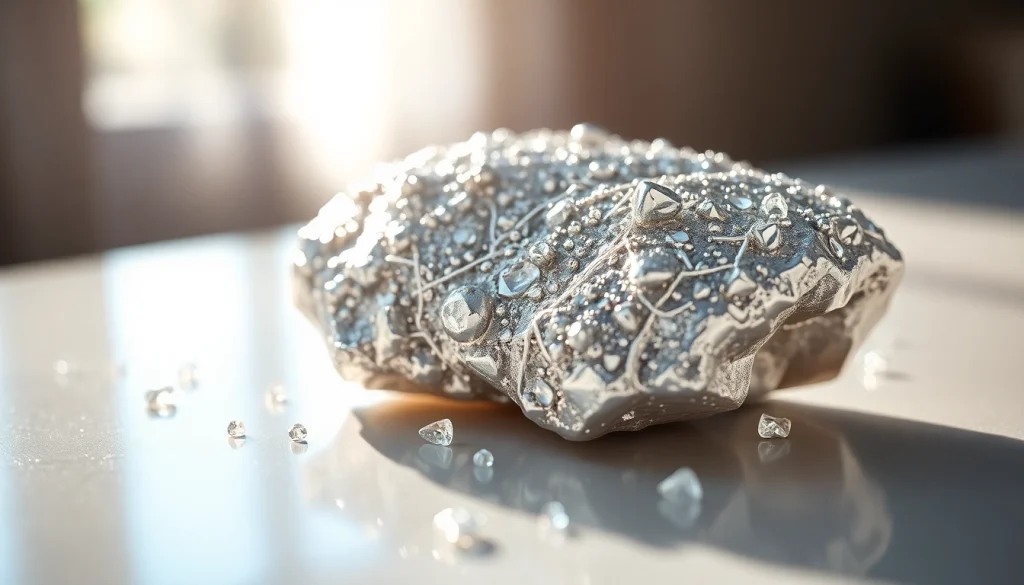
Understanding the Properties of Minerals Rhodium
Rhodium is a chemical element with the symbol Rh and atomic number 45. This transition metal is part of the platinum group, with its unique characteristics that enhance its utility across various industries. The term “rhodium” is derived from the Greek word for “rose,” alluding to the metal’s rose-like hue when viewed in certain lighting. You can learn more about minerals rhodium in this article as we explore its chemical, physical, and other elemental properties.
Chemical Characteristics of Rhodium
Chemically, rhodium is known for its remarkable resistance to corrosion and oxidation. It can be affected by hot alkalis but remains stable under most conditions. Rhodium showcases a defined oxidation state primarily of +3, although other oxidation states exist. Its compounds, such as rhodium acetate and rhodium chloride, are used in various catalytic processes within industry and laboratory settings.
Physical Attributes and Appearance
Rhodium is a lustrous, hard, silvery-white metal exhibiting a reflective surface that contributes to its appeal in jewelry and aesthetically pleasing applications. With a melting point of approximately 1,964 °C (3,567 °F), it is one of the most heat-resistant metals available. The physical properties of rhodium facilitate its use in high-temperature environments, including catalytic converters in vehicles.
Rhodium in the Periodic Table
In the periodic table, rhodium belongs to group 9, positioned alongside iridium and palladium. Rhodium’s distinct placement among the transition metals highlights its complex bonding capabilities as well as its significance in catalytic processes. Understanding its position on the periodic table helps in recognizing its relationship with other platinum group metals, making it crucial for various industrial applications.
Sources and Extraction of Minerals Rhodium
Naturally Occurring Minerals Containing Rhodium
Rhodium is extremely rare, with concentrations in the Earth’s crust estimated to be only about 0.001 parts per million (ppm). Naturally occurring minerals containing rhodium include cuprorhodsite, cherepanovite, polkanovite, and miassite. Rhodium is typically found in conjunction with other platinum group metals, further complicating its extraction process.
The Mining Process for Rhodium
The extraction of rhodium primarily occurs as a byproduct of platinum and palladium mining. The mining process generally involves extracting platinum-group metal ores, followed by smelting and refining to isolate rhodium. Various methods, such as hydrometallurgy and pyrometallurgy, are implemented to maximize yield and purity. Given its rarity, proper mining techniques are crucial for ensuring a responsible approach to obtaining rhodium from the Earth’s crust.
Environmental Impact of Rhodium Mining
Mining for rhodium has significant environmental implications, including habitat destruction, soil erosion, and contamination of local waterways. The smelting process can release harmful emissions if not properly regulated, necessitating stringent environmental policies and practices. Fortunately, enhanced mining techniques and sustainability initiatives are evolving to minimize ecological footprints while meeting the global demand for rhodium.
Applications of Minerals Rhodium in Modern Technology
Role in Catalytic Converters
One of the most prevalent applications of rhodium is in catalytic converters, which are essential in reducing harmful vehicle emissions. Rhodium significantly enhances the pathways for chemical reactions that convert pollutants like carbon monoxide and unburned hydrocarbons into less harmful substances. This not only helps in meeting stringent emissions regulations but also contributes to cleaner air quality.
Utilization in Jewelry and Decorative Items
Rhodium’s exceptional reflective properties make it a popular choice for plating jewelry and decorative items. Rhodium plating provides a protective layer that prevents tarnishing and scratching, thereby extending the life and allure of precious metals like gold and silver. Its visual appeal and protective qualities have made rhodium a favored metal in the luxury market.
Emerging Technologies Using Rhodium
As technology advances, the applications of rhodium are expanding into other fields, including electronics and photonics. Rhodium’s conductivity and resistance to wear make it an ideal candidate for improving electronic components and as a catalyst in innovative processes like hydrogen production for clean energy. These emerging technologies indicate rhodium’s key role in shaping a sustainable future.
Market Trends and Economic Importance of Minerals Rhodium
Current Market Prices and Influencing Factors
The market for rhodium is notably volatile, with prices subject to fluctuations based on supply and demand dynamics, geopolitical factors, and advancements in mining technologies. As of late, the price of rhodium has surged due to increased demand in the automotive sector for emissions control technologies, making it one of the most expensive precious metals available.
Global Demand for Rhodium in Various Industries
The automotive industry is the leading consumer of rhodium, given its crucial role in catalytic converters. Additionally, the electronics industry, along with applications in the jewelry sector, contributes to the rise in demand for rhodium. As environmental regulations become stricter, it is anticipated that demand will continue to increase across various markets, sustaining economic significance.
Future Projections for Rhodium Market
Looking ahead, industry analysts predict that the demand for rhodium will experience further increases due to the global push for cleaner transportation solutions and emerging technologies relying on sustainable practices. Success in recycling technologies, coupled with a responsible mining approach, could balance the supply and support future market trends. The need for rhodium in industrial applications will likely maintain its importance in the years to come.
FAQs about Minerals Rhodium
What minerals contain rhodium?
Rhodium is found mainly in minerals like cuprorhodsite, cherepanovite, and miassite. It’s rarely found in its pure form.
Why is rhodium so expensive?
Rhodium’s rarity and its essential role in reducing harmful emissions in catalytic converters contribute to its high price.
How is rhodium extracted?
Rhodium is extracted through mining, primarily from platinum ores, using processes like smelting and refining.
What are the health effects of rhodium?
Rhodium is generally considered non-toxic; however, exposure to its compounds should be managed carefully due to potential health risks.
Where is rhodium mainly found?
Rhodium is primarily found in South Africa, Russia, and certain parts of North America, often alongside platinum and palladium.