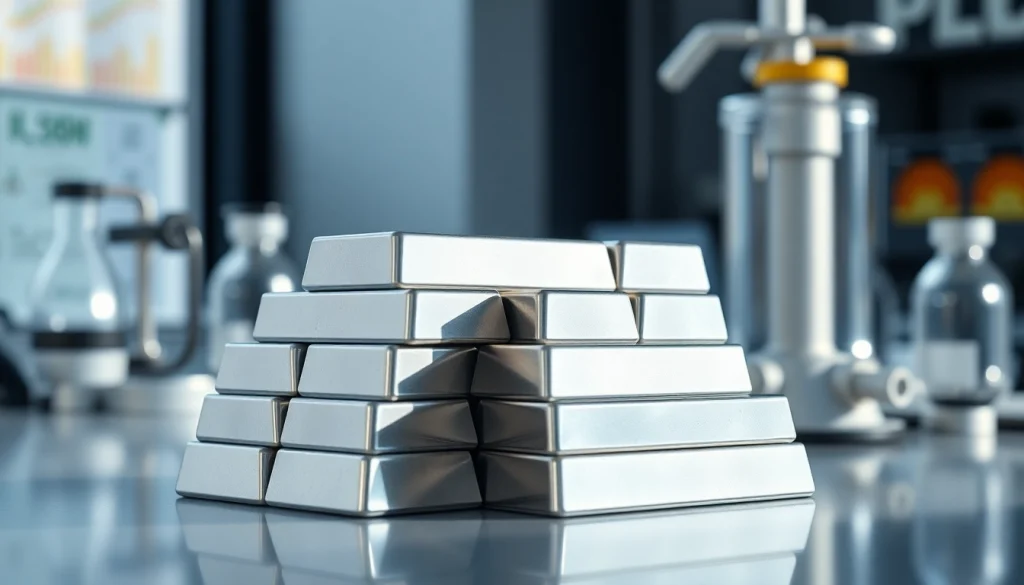
Introduction to Palladium
Palladium, a rare and lustrous silvery-white metal, has grown in significance due to its versatile applications and unique properties. As a member of the platinum group metals, palladium plays an essential role across various industries, from automotive to jewelry. In this article, we will explore the comprehensive aspects of palladium, including its properties, applications, economic influence, sourcing practices, and much more. We will also examine recent trends and market insights related to this precious metal. Understanding the palladium market is vital not only for investors but also for manufacturers and consumers who rely on it in their products and services.
What is Palladium?
Palladium (chemical symbol Pd) is a rare transition metal with an atomic number of 46. Discovered in 1802 by William Hyde Wollaston, it is known for its remarkable ductility, corrosion resistance, and ability to absorb hydrogen, making it a distinctive metal in both chemical and physical properties. Palladium is predominantly sourced from South Africa and Russia, where it is extracted alongside platinum and other metals.
Chemical Properties of Palladium
The unique chemical properties of palladium contribute to its wide range of applications. Chemically, it is characterized by its ability to catalyze reactions effectively, making it an invaluable resource in catalytic converters. Palladium is also non-toxic and hypoallergenic, paving the way for its use in jewelry and dental implants. Its unique ability to absorb hydrogen makes it an excellent candidate for fuel cells and hydrogen storage technologies.
Palladium in Nature
Palladium is found in trace amounts in the Earth’s crust, often as a byproduct of nickel and platinum mining. Its rarity and the specific geological conditions required for its formation contribute to its high value. Naturally occurring palladium is often found combined with other metals and typically appears in nuggets or grains in riverbeds.
Applications of Palladium
Palladium in Automotive Catalysts
One of the most significant applications of palladium is in catalytic converters used in automobiles. These converters play a critical role in reducing harmful emissions from internal combustion engines by facilitating chemical reactions that convert dangerous gases like carbon monoxide and nitrogen oxides into less harmful substances. The high demand for palladium in this sector has led to its price fluctuations, correlating closely with the automotive industry trends.
Use in Electronics and Technology
Palladium also finds applications in the electronics industry, particularly in the manufacturing of connectors, capacitors, and hard disks. Its excellent electrical conductivity combined with its corrosion resistance makes it ideal for electronic components that require long-term reliability. Moreover, palladium is extensively used in plating, where it provides a durable and attractive coating for various electronic devices.
Jewelry and Decorative Arts Featuring Palladium
In the realm of jewelry, palladium has gained popularity due to its hypoallergenic properties and ability to resist tarnishing. Often used as an alloy with gold to create white gold, it has established itself as a preferred metal for engagement rings and luxury items. The aesthetic appeal of palladium along with its resistance to wear and tear secures its position in the decorative arts.
Economic Influence of Palladium
Palladium Price Trends and Market Factors
The price of palladium has seen substantial variability influenced by multiple factors such as supply and demand dynamics, geopolitical conditions, automotive manufacturing trends, and overall economic health. For instance, periodic struggles in supply, especially during strikes or other production disruptions, can lead to dramatic price spikes. Investment trends also significantly impact the palladium market as more investors turn towards this precious metal as a store of value.
Investment in Palladium: Pros and Cons
Investing in palladium comes with its own set of advantages and challenges. On the upside, palladium’s demand in industries like automotive and electronics offers potential for price appreciation. Its historical performance against inflation and other economic conditions can also make it an appealing investment choice. However, investors must consider the volatility associated with its price, regulatory concerns in mining, and the overall economic landscape that can affect industrial demand.
Comparing Palladium to Other Precious Metals
When compared to other precious metals like gold and silver, palladium tends to be more volatile due to its narrower applications and supply constraints. Gold serves as a traditional store of value, while silver has widespread industrial use. Palladium’s unique positioning as a top choice for automotive catalysts and electronics allows it to carve out its niche, leading many investors to consider it a strategic addition to their portfolios.
Sourcing and Supply of Palladium
Main Sources of Palladium
Palladium is primarily sourced from mines in South Africa and Russia, which hold a significant share of the global supply. The extraction process often involves complex procedures, including flotation and refining, to isolate palladium from its ore. Given its rarity, sourcing palladium can be labor-intensive, further impacting its market price.
Sustainability and Mining Practices
Sustainability in palladium mining involves addressing environmental concerns and the social impact of mining activities. Best practices in the industry include minimizing waste, reducing energy consumption, and rehabilitating mined lands. Advances in sustainable mining techniques are crucial as the global demand for palladium continues to rise.
The Future of Palladium Supply
The future of palladium supply will likely depend on the technological advancements in mining and recycling. As the demand for electric vehicles grows, the need for palladium in traditional automotive applications might decrease. However, palladium’s other uses, particularly in electronics and fuel cells, may sustain its demand and influence its future market stability.
FAQs About Palladium
What is palladium used for?
Palladium is widely used in catalytic converters for automobiles, electronics manufacturing, jewelry, and electrical contacts due to its excellent catalytic properties, resistance to tarnish, and durability.
What is the average price of an ounce of palladium?
The price of palladium fluctuates, but it typically ranges between $1,390 and $1,700 per ounce. Price changes are influenced by market demand, supply variables, and industry trends.
Is palladium a sustainable investment?
Palladium can be considered a sustainable investment, particularly for environmentally-conscious buyers. Its applications in clean technologies, such as fuel cells, highlight its potential in sustainable practices.
How does palladium differ from platinum?
Palladium and platinum are distinct in terms of density, color, and specific applications. Palladium is lighter, has a silvery-white color, and is predominantly used in catalytic converters, while platinum is denser and often used in fine jewelry and industrial applications.
What are the health risks associated with palladium?
While palladium is generally non-toxic, long-term exposure to palladium dust or particles may cause allergic reactions or respiratory problems in sensitive individuals. Proper safety measures in occupational settings are essential.