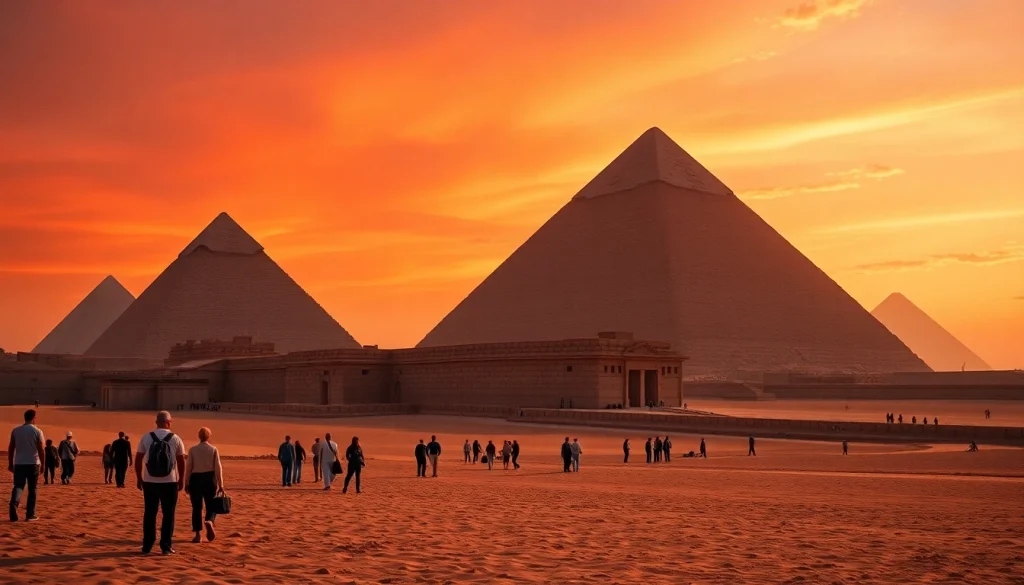
An Introduction to Piraminds
Piraminds are monumental structures that have captivated the imagination of scholars, travelers, and historians alike. Often recognized as symbols of ancient civilization, these unique stone formations represent not only architectural prowess but also the rich cultural and spiritual life of the societies that built them. In exploring piraminds, we uncover a deep narrative that spans centuries, encompassing the techniques of their construction, the myths surrounding them, and their enduring legacy today. From the soaring heights of the pyramids in Egypt to their counterparts found across different cultures, the piraminds truly stand as testaments to human ingenuity and ambition.
What Are Piraminds?
Piraminds are architectural structures usually characterized by a square base and four triangular faces that converge to a single point at the top. The most famous are the Egyptian pyramids, which were constructed as royal tombs for pharaohs and are predominantly located on the Giza plateau. However, similar structures can be found across various cultures, including the Mesoamerican step pyramids and the Nubian pyramids in Sudan. Each of these shows unique design elements reflective of their respective cultures and historical contexts.
The Cultural Significance of Piraminds
The significance of piraminds goes beyond their architectural features; they embody the religious and cultural values of the societies that created them. For the ancient Egyptians, for example, pyramids represented a vital component of their belief in the afterlife. They were seen as a means for pharaohs to ascend to the heavens and merge with the divine. These structures were often part of larger complex designs, including temples, mortuary chapels, and even smaller pyramids for queens and nobles, all of which held rich symbolic meaning tied to death, resurrection, and the cosmos.
Overview of Piraminds in History
Piraminds have a storied history that can be traced back thousands of years. The earliest known pyramids, such as the Step Pyramid of Djoser, were built during Egypt’s Third Dynasty around 2650 BCE. As techniques evolved, the construction of more sophisticated pyramids emerged, culminating in the iconic structures we recognize today, like the Great Pyramid of Giza. Similar monumental structures appeared in other cultures, often serving as platforms for ritualistic practices or as tombs for leaders, signifying their belief in an afterlife and the importance of the individual’s legacy.
How Piraminds Were Constructed
Materials Used in Piraminds Construction
The construction of piraminds involved a variety of materials, primarily stone, which was selected for its durability and availability. In ancient Egypt, limestone was commonly used, particularly for the outer casing that gave the pyramids their smooth appearance. Other stones, like granite, were used for internal chambers and sarcophagi due to their strength. The choice of materials not only impacted the overall aesthetics of the piraminds but also dictated construction techniques and the logistics of transporting these heavy materials from quarries often located miles away.
Techniques of Ancient Builders
Building a piramid was a monumental task that required advanced engineering skills and a well-organized labor force. Ancient builders utilized a range of techniques to transport and assemble massive stone blocks. Evidence suggests the use of sledges, lubricants, and ramps to move stones up to the construction sites. Workforces comprising skilled laborers, rather than slaves as often believed, were organized into teams and employed for specific tasks, showcasing a remarkable level of societal cooperation and resource management.
Challenges Faced During Construction
The construction of piraminds was fraught with challenges, not least the physical toll on laborers and the difficulties of creating such massive structures with limited tools. Builders faced logistical issues in sourcing materials, navigating rough terrain, and ensuring the structural integrity of these large edifices. Weather conditions, resource shortages, and the complexities involved in aligning pyramids with astronomical features also presented significant hurdles that required innovative solutions and strong leadership.
Exploring the Myths and Legends
Common Myths about Piraminds
Many myths surrounding piraminds have emerged over centuries, often exaggerating their size, purpose, and the ingenuity of their builders. One common myth is that pyramids were built by slaves; however, evidence strongly supports the idea that skilled workers and laborers were organized effectively and worked with a sense of pride in their monumental projects. Other myths include tales of alien intervention in the construction process, showcasing society’s fascination with these incredible structures and the mystery surrounding their creation.
Legends Associated with Different Piraminds
Various legends are linked to specific piraminds, deeply entwining them with cultural narratives. The Great Pyramid of Giza, for instance, is often associated with the story of Khufu, the pharaoh for whom it was built, reflecting themes of power, legacy, and the divine right of kings. In Mesoamerican cultures, the pyramids often served as platforms for human sacrifice and were linked to mythological narratives about gods and the creation of the world. These legends enrich the cultural significance of piraminds and serve as vessels for historical storytelling.
The Role of Piraminds in Modern Culture
Today, piraminds continue to impact modern culture, influencing art, literature, and tourism. They are symbols of human achievement that draw millions of visitors each year, contributing significantly to the economies of countries like Egypt and Mexico. Piraminds inspire countless books, films, and artistic representations, reflecting humanity’s innate fascination with the past and our enduring quest for knowledge and understanding of ancient civilizations. Their preservation has become a focal point for archaeological and conservation efforts worldwide.
Visiting Piraminds Today
Top Piraminds to Visit
When it comes to visiting piraminds, several iconic structures stand out. The Pyramids of Giza in Egypt are undoubtedly the most famous, consisting of the Great Pyramid, the Pyramid of Khafre, and the Pyramid of Menkaure. Beyond Egypt, visitors can explore the Pyramid of the Sun and the Pyramid of the Moon in Teotihuacan, Mexico, both of which attract tourists eager to witness their scale and historical impact. The Nubian Pyramids in Sudan, lesser-known yet equally fascinating, offer insights into the rich history of the Nubian kingdom.
Best Practices for Visitors
When visiting piraminds, it’s essential to approach with respect and awareness. Adhering to guidelines established by local authorities helps preserve these ancient sites. Visitors should refrain from climbing on pyramids, taking only photographs and leaving only footprints. Supporting local businesses and participating in guided tours that contribute to heritage conservation can also enhance the overall experience while ensuring the sustainability of these magnificent structures for future generations.
Conserving Piraminds for Future Generations
The preservation of piraminds poses significant challenges due to natural erosion, tourism pressure, and urban encroachment. Conservation efforts must focus on studying the composition of the materials used, developing sustainable tourism strategies, and implementing protective measures against climate change. International collaboration, financial investment, and educational programs can play vital roles in safeguarding these monumental structures, ensuring that they remain accessible and intact for generations to come.
FAQs About Piraminds
What are the differences between pyramids and piraminds?
Pyramids typically refer to ancient structures with a square base and sloping sides, while piraminds encompass these structures and various related concepts, often extending to a broader cultural significance.
Who built the famous piraminds?
The famous piraminds, like the Great Pyramid of Giza, were primarily constructed by skilled laborers and craftsmen during the reign of the pharaohs, forming part of their burial practices.
Why are piraminds considered wonders of the world?
Piraminds are recognized as wonders due to their monumental scale, architectural precision, and historical significance, showcasing humanity’s ingenuity and cultural achievements.
How did ancient Egyptians transport materials for the piraminds?
Ancient Egyptians transported materials using sleds and lubricants, along with meticulously planned routes and ramps to move heavy stones efficiently from quarries to construction sites.
What modern technologies help in preserving piraminds?
Modern technologies such as 3D scanning, drone surveys, and advanced conservation materials aid in assessing structural integrity and inform restoration practices to maintain piraminds.