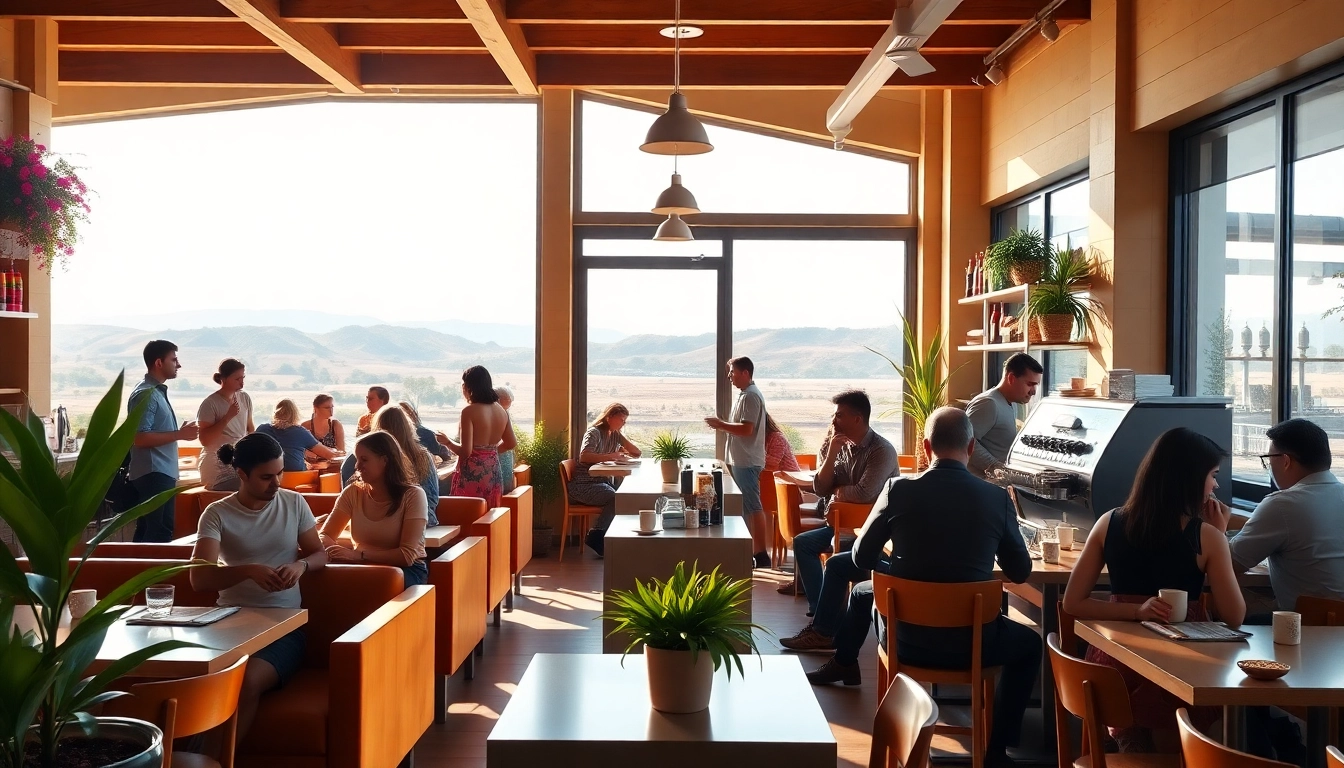


1. Introduction to Winery Sacramento
Welcome to Winery Sacramento, where the warm climate and rich soil create an ideal setting for wine production. The Sacramento region offers not only breathtaking views but also a burgeoning wine culture, reflective of the area’s commitment to quality and creativity. In this article, we’ll explore the essence of wineries in Sacramento, showcasing the charm of local vineyards and providing insights for both novice wine enthusiasts and seasoned connoisseurs alike. From understanding the significance of local wineries to exploring the best spots for wine tasting, we’ve got you covered.
1.1 The Wine Culture in Sacramento
Wine culture in Sacramento has blossomed remarkably over the past few decades. Known for its Mediterranean climate, the region sees long sunny days paired with cool evenings, creating a perfect environment for grape growing. With an array of local varietals cultivated in the region, Sacramento has become a hub for wine lovers.
Local wineries often embrace sustainable practices, ensuring minimal environmental impact while maximizing the quality of their wines. This ethos resonates with consumers who are increasingly favoring sustainable, locally sourced products in their purchasing decisions. A stroll through the vineyards showcases not just the beauty of the lush landscapes but also the intricate processes involved in winemaking.
1.2 Significance of Local Wineries
Local wineries play a crucial role in the Sacramento economy, supporting both agricultural and tourism sectors. These establishments offer unique local products that cannot be found elsewhere, forming an integral part of the region’s identity. Sacramento wineries often engage in community events, further solidifying their importance within the local culture. Not only do they provide jobs, but they also create a sense of belonging among residents.
1.3 Overview of Wine Varietals Available
Sacramento’s vineyards produce a variety of wine types, showcasing the versatility and richness of the area. From classic Cabernet Sauvignon and bold Zinfandel to refreshing Sauvignon Blancs and delightful Chardonnays, the range is extensive. The unique terroir of Sacramento yields wines with distinctive flavor profiles that are celebrated by both critics and consumers.
Additionally, many wineries are experimenting with lesser-known varietals, allowing visitors to explore wines that are typically not mainstream. This dedication to diversity is one of the key attractions of Sacramento’s wine scene.
2. Exploring the Best Wineries in Sacramento
Whether you’re a local or visiting for the first time, exploring Sacramento’s wineries can be a rewarding experience. The region offers a diverse array of wine tasting experiences that appeal to all types of wine enthusiasts. From elegant tasting rooms tucked away in vineyards to lively events, discovering the best wineries is an adventure worth embarking on.
2.1 Top-Rated Wineries to Visit
Several local wineries have garnered acclaim for their exceptional wines and inviting atmospheres. Here are some of the top-rated options:
- Wooden Valley Winery: Known for its charming rustic setting, this winery offers a variety of wines and engaging tasting experiences.
- Rendez-vous Winery: Focusing on small-batch, handcrafted wines, this winery perfects the art of winemaking while offering picturesque vineyard views.
- Reynoso Family Vineyards: With a rich family history in wine producing, visitors can enjoy premium varietals along with friendly, personalized service.
2.2 Unique Experiences Offered
Wineries in Sacramento offer much more than just wine tasting. Many establishments provide unique experiences such as vineyard tours, winemaking workshops, and food pairing events that elevate the overall experience. For instance, some wineries host exclusive dinners with local chefs, showcasing not just their wines but also the culinary delights of the region. Additionally, options for outdoor picnicking and live music events enhance the visit, making each winery trip memorable.
2.3 Planning Your Winery Visits
When planning your winery visits, it’s essential to consider factors such as operation hours, booking requirements, and tasting fees. Many wineries also offer private tastings, which can provide a more intimate experience tailored to your interests. Consider visiting during special events or peak harvest seasons for a truly captivating experience. It’s advisable to designate a driver or join a guided tour to ensure a safe and enjoyable outing.
3. Wine Tasting Etiquette and Tips
Learning about wine tasting etiquette is essential for ensuring a respectful and enjoyable experience at the wineries. Whether you’re a novice or a savvy enthusiast, understanding the fundamentals can enhance your tasting adventures.
3.1 How to Taste Wine Like a Pro
Begin by observing the wine’s color and clarity in the glass. Swirling the wine allows air to interact with it, releasing its aromas, which is a crucial part of the tasting process. When you bring the glass to your nose, take a moment to inhale the aromas deeply before taking the first sip. Remember to savor the flavor, noting the balance of acidity, sweetness, and tannins. The finish or aftertaste is equally important – try to perceive the lingering flavors and their complexity.
3.2 What to Pair with Your Wine
Pairing food with wine can elevate both the wine and the meal. Light-bodied wines, like a Sauvignon Blanc, pair well with seafood and salads, while a full-bodied Cabernet Sauvignon complements red meats. Many wineries provide charcuterie boards or small plates to enhance the tasting experience, giving guests a chance to explore pairings that complement the wines they are sampling.
3.3 Understanding Wine Labels and Ratings
A wine label can provide invaluable information about the wine you are about to taste. Key components include the varietal, producer, region, and vintage. Understanding these elements can help you navigate your choices when browsing wine lists or shop displays. Moreover, paying attention to ratings from wine experts can guide you toward quality selections that suit your palate.
4. Events and Festivals at Sacramento Wineries
Sacramento wineries are known for their vibrant events and festivals that attract visitors from all over. These occasions provide opportunities to socialize, learn and celebrate the craft of winemaking.
4.1 Annual Wine Festivals to Attend
Throughout the year, Sacramento wineries host various wine festivals showcasing local wines, food pairings, and artisanal products. The Sacramento Food and Wine Festival typically features live music, culinary demonstrations, and tastings from numerous local wineries. Such events offer a fantastic opportunity to mingle with local winemakers and discover new favorites.
4.2 Seasonal Events and Activities
Many wineries hold seasonal events, such as harvest festivals and summer concerts. These events highlight the fun and festive aspects of winery culture while allowing guests to partake in grape stomping, vineyard tours, and more. Visitors can immerse themselves in the local community and enjoy hands-on winemaking experiences, making each visit unique.
4.3 Booking Events at Local Wineries
Booking events at local wineries often requires planning in advance, especially for larger gatherings or private events. It’s advisable to contact wineries directly or check their websites for information on special packages, availability, and any minimum guest requirements. Many wineries are happy to accommodate group functions, including corporate events, weddings, and family celebrations, providing catered services and stunning backdrops for unforgettable experiences.
5. Benefits of Supporting Local Wineries
Supporting local wineries goes beyond just enjoying great wine; it positively impacts the community and encourages sustainable practices.
5.1 Economic Impact on the Community
Local wineries contribute significantly to the economy by creating jobs and generating tax revenue. They often source materials and labor locally, which directly supports the community. By choosing to support these businesses, consumers are helping to foster economic growth, sustaining jobs in agriculture, hospitality, and beyond.
5.2 Sustainability Practices in Sacramento Wineries
Many consumer choices today reflect a desire for sustainability and responsible practices. Sacramento wineries have been at the forefront of implementing eco-friendly methods such as organic farming, using renewable energy sources, and promoting water conservation. By visiting and purchasing directly from local wineries, consumers support these sustainable initiatives that protect the environment and ensure a healthier planet for future generations.
5.3 Building Relationships with Local Farmers
Many wineries work closely with local farmers to source high-quality grapes and other ingredients necessary for winemaking. These partnerships foster a closer community connection and a shared commitment to quality and taste. When you support local wineries, you are also supporting local agriculture, creating a robust network of relationships that enhances the region’s agricultural diversity and economic health.