

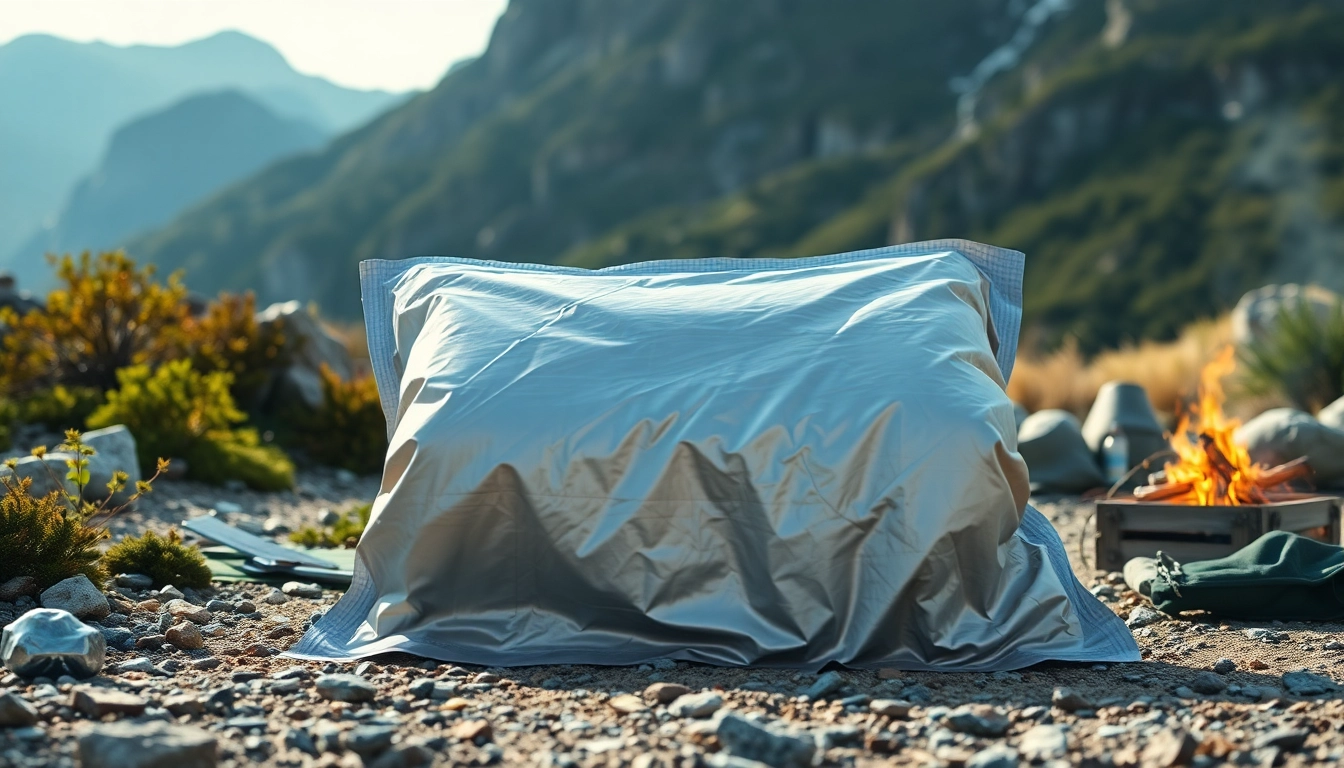
Understanding Emergency Blankets
Definition and Purpose of Emergency Blankets
Emergency blankets, often known as space blankets or thermal blankets, are lightweight, compact sheets designed to retain body heat in emergency situations. Originally developed by NASA for use in space exploration, these blankets have become essential safety tools for outdoor enthusiasts, emergency responders, and everyday individuals. Their primary purpose is to help prevent hypothermia by reflecting up to 90% of body heat, making them invaluable during unexpected weather changes or medical emergencies.
Materials and Construction of Emergency Blankets
Emergency blankets are typically made from a thin layer of mylar, a type of plastic often used in insulation applications. This material is not only lightweight but also waterproof, durable, and resistant to tearing, ensuring it can withstand rugged conditions. Some blankets may also feature a silver exterior that enhances reflectivity while minimizing the risk of heat loss. The production process involves laminating two sheets of mylar together, creating a thin yet effective barrier against cold.
Common Applications of Emergency Blankets
These versatile blankets find use in a wide array of situations, including:
- Outdoor Activities: Hikers, campers, and climbers carry emergency blankets to stay warm if they are stranded or caught in adverse weather.
- Medical Emergencies: First responders utilize these blankets to keep patients warm and stable until additional medical help arrives.
- Disaster Preparedness: Emergency preparedness kits commonly include blankets for use in natural disasters, ensuring warmth and comfort when shelters may be limited.
- Camping and Survival Situations: In survival scenarios, they can be utilized for signaling, covering shelters, or as ground insulation.
Benefits of Carrying an Emergency Blanket
Lightweight and Compact Design Advantages
One of the most significant advantages of emergency blankets is their lightweight and compact nature. Typically weighing less than 4 ounces and folding down to the size of a small smartphone, these blankets can be packed easily into backpacks, glove compartments, or emergency kits. This convenience means that individuals are more likely to have access to these essential items when needed the most, without adding excessive weight or bulk to their gear.
Insulation Properties Compared to Regular Blankets
While regular blankets provide warmth, emergency blankets excel in insulation properties due to their ability to reflect body heat. Insulated fabric blankets can absorb moisture and lose their thermal efficiency, particularly in wet conditions. In contrast, mylar blankets do not absorb water and maintain their insulation properties, making them ideal for emergency settings. This unique property effectively prevents heat loss, ensuring your body temperature stays within a safe range, even in extreme cold.
Versatility in Different Situations
Emergency blankets are incredibly versatile and can be employed in various contexts. Beyond just warmth, they can be used as makeshift tents, ground covers, or even signaling devices in survival situations. The reflective surface catches attention from rescue teams and enables individuals to use them creatively in many outdoor scenarios. Their adaptability makes them a necessity for anyone venturing into nature or anyone looking to prepare for emergencies.
How to Use an Emergency Blanket Effectively
Best Practices for Usage in Outdoor Settings
To maximize the effectiveness of an emergency blanket in outdoor situations, consider the following best practices:
- Secure the Blanket: Use duct tape or your weight (such as lying down on one end) to keep the blanket in place against wind.
- Layering: If using multiple blankets, layer them so that the inner layers can trap more body heat.
- Covering the Head: Ensuring the top of your body, especially your head, is covered can help retain more heat.
Using Emergency Blankets in Medical Situations
In medical emergencies, proper use of an emergency blanket can stabilize a patient’s condition. Follow these guidelines:
- Active Heating: Wrap the patient snugly to prevent heat loss but ensure the blanket does not obstruct breathing.
- Monitor Temperature: Regularly check the patient’s temperature and adjust the coverage as needed to avoid overheating or chills.
- Protection Against Elements: Use the blanket to shield against rain or wind while waiting for medical assistance.
Preparing Your Emergency Kit with Blankets
Incorporating emergency blankets into your preparedness kit is straightforward and crucial. Here are steps to take:
- Evaluate Situational Needs: Consider regular activities or environments where emergencies may occur (e.g., hiking, winter driving).
- Select Quantity: Depending on your needs, you may want multiple blankets—think about family size or group activities.
- Check Regularly: Inspect your emergency kit periodically to ensure that all items, including blankets, are in good condition and not expired.
Choosing the Right Emergency Blanket
Factors to Consider When Selecting Your Blanket
When selecting an emergency blanket, consider these factors to ensure you get the most suitable option for your needs:
- Size: Choose a size that works for your intended use, whether for a single individual or multiple people.
- Weight: Lighter blankets are better for backpacking or prolonged outdoor activities, whereas heavier versions may offer added warmth.
- Water Resistance: Ensure that the blanket you choose is waterproof to provide insulation even in wet conditions.
Top Features to Look for in an Emergency Blanket
When shopping for the best emergency blanket, keep an eye out for these features:
- Durability: Look for reinforced edges or torture-tested fabrics to ensure your blanket withstands rugged use.
- Reflectivity: Check the level of reflectivity, as higher reflectivity means better heat retention. A 90% or greater reflectivity rating is ideal.
- Multi-functionality: Some blankets come with additional features, such as integrated mylar layers for increased warmth or designs that allow for reuse.
Comparing Different Types of Emergency Blankets
It’s also essential to compare the types of emergency blankets available. Some aspects to consider are:
- Mylar vs. Aluminum: Mylar blankets are typically more effective for heat retention, while aluminum can be sturdier.
- Foil vs. Plastic:* While foil blankets are lighter and more reflective, plastic variations may provide better waterproofing.
- Insulated Options: Some newer varieties incorporate insulation layers for improved thermal efficiency, making them ideal for winter conditions.
Emergency Blankets: Myths vs. Facts
Breaking Down Common Misconceptions
Despite their popularity, several misconceptions about emergency blankets could lead to misuse or misunderstanding:
- Myth: “Emergency blankets are only for extreme cold.”
- Fact: While effective in cold, they also help in overheating conditions by blocking heat loss.
- Myth: “All emergency blankets are the same.”
- Fact: Various types exist that differ significantly in effectiveness, durability, and functionality.
Understanding Limitations and Misuses
Emergency blankets have limitations worth noting, including:
- Fragility: These blankets can be easily torn if mishandled, thus losing functionality.
- Not Long-term Solutions: They are meant for temporary use and shouldn’t replace proper sleeping bags or thermal clothing in extreme conditions.
- Moisture Management: Mylar blankets can trap moisture; if not dried off appropriately, they may contribute to chilling effects.
Why Emergency Blankets are Essential for Preparedness
In conclusion, emergency blankets are essential tools for anyone focused on preparedness. Their unique properties make them invaluable in scenarios ranging from recreational activities to emergency situations involving severe weather or medical issues. Investing in the right emergency blanket is a crucial step toward ensuring safety and comfort in unpredictable situations.