
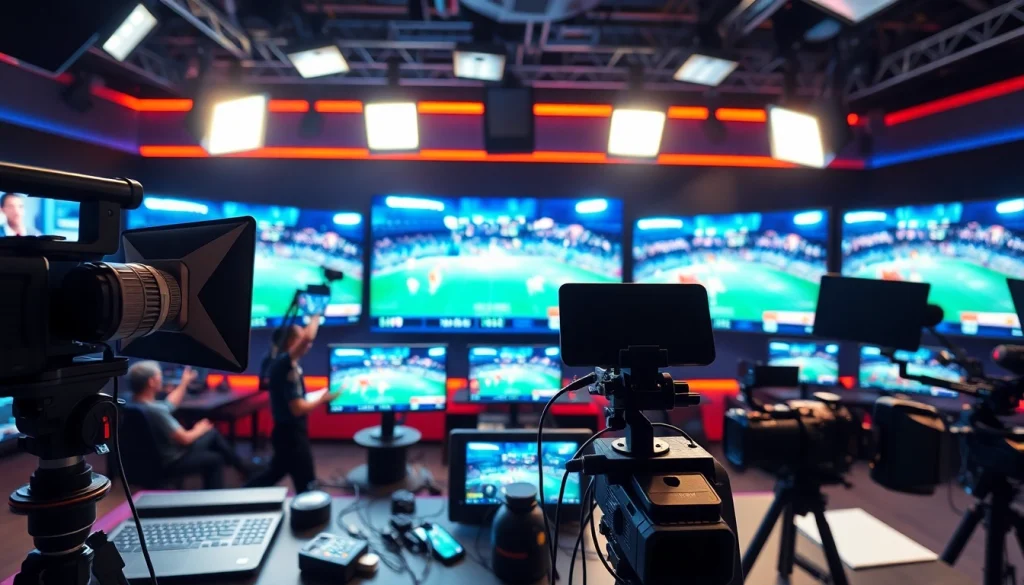
Understanding Sports Broadcasting
The realm of sports broadcasting has evolved significantly over the decades, developing into a multifaceted industry that blends entertainment, technology, and journalism. In today’s context, Sports Broadcasting involves not just the airing of games but a comprehensive approach to delivering sports content that engages fans around the globe. This article will delve into the key aspects of sports broadcasting, highlighting its evolution, technical requirements, content strategies, and future trends.
The Evolution of Sports Broadcasting
From humble beginnings, sports broadcasting has seen a remarkable transformation. Initially, sports events were covered through print media and radio. The 1930s marked the advent of radio broadcasts, allowing fans to experience live commentary from the comfort of their homes. The introduction of television in the 1950s further revolutionized the industry, bringing sports into living rooms with vivid imagery and sound.
The explosion of cable television in the 1980s introduced dedicated sports networks, enhancing availability and variety. Today, the rise of the internet has led to an on-demand culture, offering live streaming services, social media updates, and interactive content, significantly changing how fans consume sports. As viewership continues to evolve, staying ahead in this dynamic landscape is paramount for broadcasters.
Key Players in Sports Broadcasting
Numerous stakeholders contribute to the vibrant ecosystem of sports broadcasting. Below are the primary players:
- Networks and Channels: Major broadcasters such as CBS, ESPN, and NBC have a foothold in sports broadcasting, negotiating broadcast rights for prominent leagues.
- Streaming Services: Platforms like Amazon Prime Video and YouTube have started to offer exclusive sports content, transforming traditional viewing models.
- Production Companies: These companies provide the necessary infrastructure and technical expertise to deliver high-quality broadcasts.
- Sponsors and Advertisers: Businesses seeking to reach sports fans invest heavily in advertising during broadcasts and sponsoring events.
Significance of Sports Broadcasting in Today’s Media
Sports broadcasting is not only a significant source of entertainment but also a considerable economic driver. It fuels advertising revenue, influences consumer behavior, and creates jobs across various sectors. Furthermore, it enhances community engagement and fosters a shared cultural experience. As global events like the World Cup and the Olympics attract international audiences, sports broadcasting plays an essential role in promoting unity and visibility for both local and global communities.
Technical Aspects of Sports Broadcasting
Equipment Essentials for Effective Sports Broadcasting
The quality of sports broadcasts relies heavily on technical equipment. Here are some essentials:
- Cameras: High-definition cameras with capabilities for slow-motion and dynamic angles are crucial to capturing the action.
- Microphones: High-quality microphones for both field reporters and commentators enhance audio clarity.
- Graphics and Overlay Systems: Software that integrates statistics and visuals in real-time helps provide context and enrich viewer experience.
- Broadcast Switchers: These allow seamless switching between multiple camera feeds.
- Streaming Equipment: For online broadcasts, reliable streaming encoders and internet infrastructure are vital.
The Role of Technology in Sports Broadcasting
Technology plays a transformative role in sports broadcasting, enhancing the viewer experience in several ways:
- Virtual and Augmented Reality: These technologies create immersive experiences, allowing fans to engage with the game beyond the traditional viewing experience.
- Artificial Intelligence: AI can analyze data in real time to enhance commentary and provide viewers with insights that were previously unavailable.
- Data Analytics: Leveraging big data helps broadcasters personalize content and predict viewer preferences.
- Cloud Technology: Enables flexibility, scalability, and cost efficiency in storing and streaming content.
Broadcasting Techniques for Engaging Audiences
To captivate viewers, broadcasters must employ a variety of techniques:
- Dynamic Commentary: Skilled commentators keep the audience engaged with lively and insightful commentary that adds narrative depth.
- Fan Interaction: Utilizing social media for real-time fan feedback and reactions can enrich the broadcast experience.
- Multiple Viewing Angles: Offering various camera angles allows viewers to choose their preferred perspective of the action.
- Human Interest Stories: Feature pieces that explore players’ lives and backgrounds create emotional connections with audiences.
Content Strategies for Sports Broadcasting
Creating Compelling Sports Content
Compelling content is the bedrock of successful sports broadcasting. To create engaging content, broadcasters should focus on:
- Quality Over Quantity: It’s crucial to prioritize high-quality analysis and storytelling over sheer volume of content.
- Diverse Formats: Incorporating a mix of live broadcasts, interviews, and special features caters to different audience preferences.
- Timeliness: Delivering content that is timely and relevant can capture viewer interest, especially during key events or breaking news.
Utilizing Social Media for Sports Broadcasting
Social media has revolutionized how fans interact with sports broadcasting. The integration of social platforms helps broadcasters to:
- Extend Reach: Sharing highlights and behind-the-scenes content increases visibility and attracts new audiences.
- Engagement: Actively interacting with fans through polls, Q&A sessions, and live chats fosters community engagement.
- Brand Building: Consistent social media presence contributes to a broadcaster’s brand identity and loyalty among fans.
Effective Storytelling in Sports Broadcasting
Storytelling is pivotal in capturing and holding an audience’s attention. To enhance storytelling in sports broadcasting:
- Character Development: Provide in-depth profiles of athletes and teams to foster emotional investment.
- Contextual Broadcasting: Frame games and events within historical or emotional contexts to deepen viewer connection.
- Visual Narratives: Utilize video and imagery effectively to complement the storyline being told through commentary.
Challenges in Sports Broadcasting
Managing Live Broadcast Issues
Live sports broadcasting is fraught with unpredictability, and managing these challenges is vital:
- Technical Glitches: Preparing contingency plans such as backup equipment and pre-recorded segments can mitigate live broadcast issues.
- Weather Conditions: When broadcasting outdoor events, having adaptive equipment for poor weather can maintain broadcast integrity.
- Gameplay Interruptions: Developing protocols for unexpected delays ensures a seamless viewer experience.
Legal Considerations and Rights Management
Navigating legalities is crucial in sports broadcasting. Key issues include:
- Broadcast Rights: Negotiating and managing contracts concerning the rights to air specific sports and events is a complex process.
- Copyright Concerns: Effectively managing streaming content while respecting copyrights prevents legal complications.
- Advertising Regulations: Compliance with legal advertising norms is crucial, especially in age-restricted sports.
Adapting to Changing Viewer Preferences
Viewer preferences continue to evolve in the digital age, necessitating adaptation in broadcasting strategies:
- On-Demand Access: Offering on-demand viewing options caters to younger audiences who favor flexibility.
- Interactive Content: Engaging audiences with interactive features like polls and live stats can enhance viewer loyalty.
- Personalization: Leveraging data analytics allows broadcasters to tailor content to meet specific viewer interests.
The Future of Sports Broadcasting
Emerging Trends Impacting Sports Broadcasting
Future trends in sports broadcasting indicate a shift towards more interactive and engaging experiences:
- 5G Technology: Expected to revolutionize streaming quality and reduce latency, enhancing the live sports experience.
- Blockchain Technology: May increase transparency in broadcasting rights and revenue sharing within the sports ecosystem.
- Virtual Reality Experiences: Fans could attend events virtually, immersing themselves in the game as if they were there in person.
The Influence of Streaming Services on Sports Broadcasting
The rise of streaming services has significantly impacted traditional sports broadcasting:
- Accessibility: Viewers can now access sports content anytime, anywhere, breaking geographical barriers.
- New Collaboration Models: Partnerships between traditional broadcasters and digital platforms open new avenues for content distribution.
- Diverse Revenue Streams: Subscriptions provide an additional revenue model beyond advertising, leading to more financial stability for sports organizations.
Next Steps for Aspiring Sports Broadcasters
Those seeking to break into sports broadcasting should consider the following steps:
- Education and Training: Pursuing relevant degrees or certifications can provide foundational knowledge and practical skills.
- Networking: Building relationships with industry professionals through internships and events can open doors.
- Gaining Experience: Participating in volunteer opportunities or on-campus media initiatives can build a robust portfolio.
Frequently Asked Questions
What are the main types of sports broadcasting?
The main types include live broadcasts, sporting events highlights, and pre-recorded analysis and commentary shows. Streaming services also now offer on-demand content.
How has technology changed sports broadcasting?
Technology has improved broadcast quality through high-definition cameras, real-time data analytics, and interactive features like VR and AR enhancements.
What are common challenges in sports broadcasting?
Common challenges include technical issues during live broadcasts, securing broadcast rights, and keeping up with evolving viewer preferences and technology.
How important is audience engagement in sports broadcasting?
Audience engagement is critical as it helps maintain viewership and loyalty. Techniques like social media interaction and personalized content are essential.
What skills are essential for a career in sports broadcasting?
Essential skills include strong communication abilities, technical knowledge of broadcasting equipment, and a deep understanding of the sports landscape.