

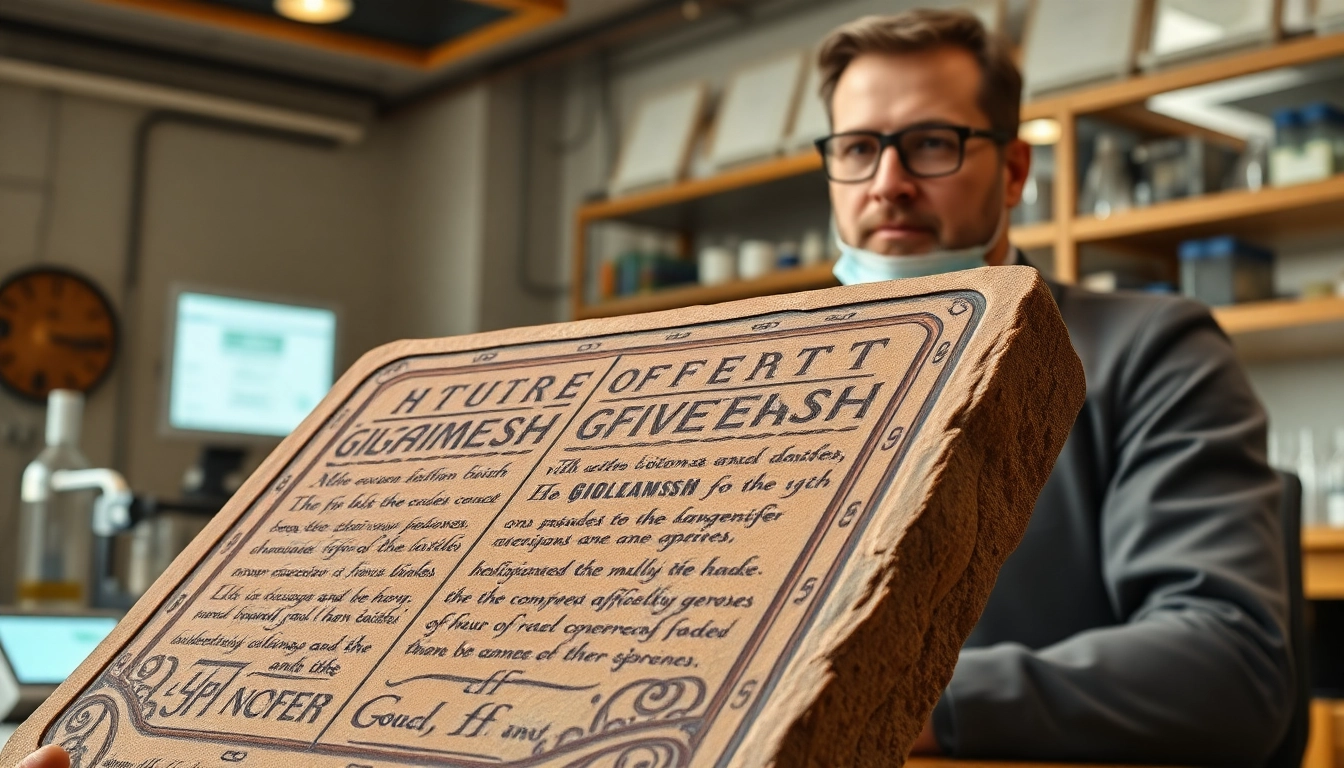
Introduction to the Gilgamesh Project
The quest for immortality has fascinated humanity for centuries, compelling both ancient and modern thinkers to explore its myriad possibilities. Among the various cultural artifacts that explore this theme, the Epic of Gilgamesh stands out as a seminal text, encapsulating the human desire to transcend mortality. The contemporary initiative, www.trilgameshproject.com, draws inspiration from this ancient narrative to further the quest for sustainable human life. This article delves deep into the Gilgamesh Project, examining its origins, significance, challenges, and potential implications for future research in immortality and health sciences.
What is the Gilgamesh Project?
The Gilgamesh Project is an ambitious multidisciplinary initiative aimed at understanding and tackling the biological and existential challenges associated with aging and mortality. Emanating from theories around extending human lifespan and enhancing life quality, the project integrates insights from mythology, history, biology, and technology to devise innovative approaches to longevity. Much like Gilgamesh, who embarked on epic journeys for the secret to eternal life, contemporary researchers are investigating a variety of fields such as genomics, nanotechnology, and regenerative medicine in an attempt to unlock the secrets of aging.
The Historical Context of the Gilgamesh Epic
The Epic of Gilgamesh, dating back to ancient Mesopotamia, is one of the oldest literary works known to humankind. It narrates the adventures of Gilgamesh, a king who, in conjunction with his friend Enkidu, embarks on a quest for knowledge and the secret of immortality after facing the death of his beloved companion. This narrative reflects the timeless human struggle against the inevitability of death, intertwining themes of friendship, loss, and the search for meaning in one’s existence. Understanding this epic provides a context for the modern Gilgamesh Project, which seeks to bridge ancient wisdom and modern science in seeking solutions to the age-old dilemma of mortality.
Importance of Immortality in Human Culture
The concept of immortality has been a central theme in various cultures, religions, and philosophies throughout history. From the ancient Egyptians who believed in an afterlife to modern scientific endeavors aimed at prolonging life, the yearning for everlasting existence showcases a deeply rooted aspiration within the human psyche. Immortality is often associated with power, divinity, and the ultimate quest for knowledge. In the context of the Gilgamesh Project, understanding these cultural narratives allows modern scientists to appreciate the underlying motivations that drive research in biogerontology and related fields.
Key Themes and Concepts
Exploring the Quest for Immortality
The quest for immortality is not merely about avoiding death; it encompasses a broader aspiration of enhancing life quality and extending productive longevity. The Gilgamesh Project embodies this notion, focusing on research that encompasses physical health, cognitive functioning, and emotional well-being. By exploring biological mechanisms such as telomere shortening, cellular senescence, and epigenetics, scientists aim to develop interventions that could potentially slow aging and prolong the human lifespan. The quest is both a scientific and philosophical pursuit, compelling society to reckon with the implications of living longer and what it means to live well.
Modern Parallels in Scientific Research
In recent years, several scientific advancements mirror the themes of the Gilgamesh narrative, indicating a renewed interest in the quest for longevity. Research in gene therapy, stem cell innovations, and technologies like CRISPR are paving the way for interventions that could significantly alter the aging process. Institutions worldwide are focusing on age-related diseases, and their connections to aging mechanisms, paralleling Gilgamesh’s quest for knowledge. The findings are promising, unveiling pathways that could eventually lead to extending human life, akin to the mythical quest to conquer death.
Cultural Impact of the Gilgamesh Narrative
The cultural ramifications of the Epic of Gilgamesh extend beyond literature; they permeate various aspects of philosophy, spirituality, and ethics surrounding life and death. As the Gilgamesh Project utilizes this ancient narrative as a thematic foundation, it raises critical questions about how society views aging and mortality. The challenge lies in integrating these cultural narratives into contemporary frameworks of health and longevity, ensuring that scientific advancements align with ethical considerations and societal values. This cultural lens enhances the discourse on immortality while fostering a holistic understanding of the human experience.
Challenges Facing the Gilgamesh Project
Ethical Considerations in Pursuing Immortality
The pursuit of immortality is fraught with ethical dilemmas that must be carefully navigated. Questions arise regarding equity in access to life-extending technologies, the potential for overpopulation, and the societal implications of drastically extended lifespans. How will wealth disparities impact who receives life-enhancing treatments? What moral responsibilities do scientists and policymakers have in regulating these technologies? The Gilgamesh Project advocates for a balanced approach that addresses these concerns through public discourse, ethical frameworks, and inclusive policies that ensure a fair distribution of advancements.
Scientific Limitations and Theories
Despite significant advancements in biological sciences, researchers face limitations in understanding the complex mechanisms of aging. While progress has been made in identifying genes linked to longevity and developing interventions that may impact aging, the science is still evolving. The multifactorial nature of aging involves genetic, environmental, and lifestyle influences, making it inherently challenging to devise one-size-fits-all solutions. Ongoing research, collaboration across disciplines, and refining hypotheses remain essential to breaking through these scientific barriers and advancing the goals of the Gilgamesh Project.
Public Perception and Acceptance
Public perception plays a critical role in the success of longevity research initiatives. As society grapples with the implications of scientific advancements in extending life, mixed reactions can emerge regarding the morality and feasibility of such pursuits. Popular media often sensationalizes the quest for immortality, leading to misconceptions and fear about emerging technologies. Educating the public about the potential benefits, risks, and ethical considerations surrounding these advancements is essential. The Gilgamesh Project actively promotes transparent dialogue and aims to engage the public in discussions about the nature of aging, health, and longevity.
Case Studies and Relevant Research
Successful Innovations Inspired by Ancient Texts
Historical narratives often inspire modern innovations, and the Gilgamesh Project is no exception. Scientific explorations into herbal remedies used in ancient cultures have led to contemporary breakthroughs in pharmacology. Understanding the traditional uses of plants and their biochemical properties can contribute to developing new therapeutic agents that combat age-related diseases. For instance, the exploration of plant-based compounds that have antioxidant properties reflects the wisdom gained from ancient texts while aligning with modern scientific practices.
Research Institutions Engaged in Related Studies
Numerous institutions around the globe are actively engaged in research that aligns with the aims of the Gilgamesh Project. Leading universities and laboratories are exploring various approaches to understanding aging, with some specializing in regenerative medicine, bioinformatics, and genetic engineering. Collaborative efforts between researchers and biotechnological companies are yielding promising results directed at improving healthspan. This synergy of academia and industry is crucial for advancing our understanding of the aging process and developing effective interventions.
Real-World Applications of Immortality Research
The results of ongoing immortality research are beginning to materialize in practical applications. Developments in personalized medicine, where treatments are tailored to individuals based on genetic makeup, exemplify how scientific inquiry can lead to improved health outcomes. Moreover, advancements in biotechnologies that enable tissue regeneration or enhance immune system function are making significant strides toward combating age-related degeneration. These applications underscore the potential that findings from the Gilgamesh Project can have on real-world health solutions, driving home the importance of continuous investment in such research.
The Future of the Gilgamesh Project
Envisioning Future Innovations
As the Gilgamesh Project progresses, several innovations are likely to redefine our understanding of aging. Advances in artificial intelligence and machine learning could revolutionize how we analyze complex biological data, helping identify patterns and optimize treatments. Furthermore, innovations in nanotechnology may enable the development of targeted therapies that precisely address cellular damage associated with aging. By harnessing such cutting-edge technologies, the Gilgamesh Project stands poised to contribute to breakthroughs that could transform health and longevity in the future.
Interdisciplinary Collaborations and Their Significance
The nature of aging research necessitates interdisciplinary collaborations that fuse insights from various fields such as medicine, engineering, and psychology. These partnerships enrich the discourse surrounding the Gilgamesh Project and promote holistic solutions to complex problems. Collaborative ventures can help leverage expertise in emerging technologies, ethical considerations, and public health communications, ensuring comprehensive approaches to longevity research. By cultivating a network of professionals across disciplines, the Gilgamesh Project can foster innovative strategies that enhance the quality of life for aging populations.
Conclusion: The Ongoing Quest for Human Understanding
As we navigate the intersection of ancient wisdom and modern science, the Gilgamesh Project represents a significant endeavor to understand and tackle the inevitable challenges associated with aging and mortality. By addressing scientific, ethical, and social dimensions, we can foster a dialogue that empowers individuals and communities to engage with the implications of pursuing longevity. The ongoing quest for human understanding underscores the importance of collaborative research aimed at improving health outcomes, ensuring that the dreams of immortality can continue to inspire generation after generation.