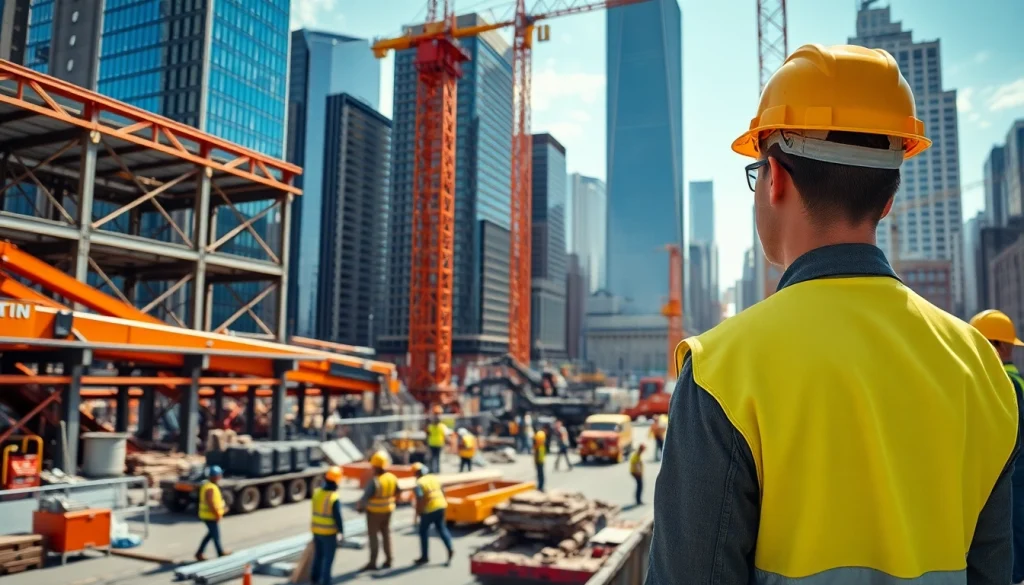
Understanding the Role of a New York City Construction Manager
The role of a New York City Construction Manager is critical in navigating the complexities of urban construction projects. As the person responsible for overseeing construction activities, they balance multiple responsibilities ranging from project planning to execution, ensuring that everything runs smoothly and aligns with the stakeholders’ expectations. This role involves not just technical skills but also a keen understanding of the local construction landscape, budget management, and communication among various parties involved.
Key Responsibilities of a New York City Construction Manager
New York City construction managers undertake a plethora of duties, each essential in ensuring project success. Some of their key responsibilities include:
- Project Planning: Developing comprehensive project plans that outline timelines, resources, and tasks necessary for successful completion.
- Budget Management: Creating and managing budgets, providing cost estimates, and tracking expenses to ensure financial integrity throughout the project lifecycle.
- Contract Negotiation: Engaging with contractors and subcontractors to negotiate terms and ensure compliance with job specifications.
- Quality Control: Implementing quality assurance protocols to ensure that work meets established standards and regulations.
- Safety Management: Establishing safety guidelines to protect workers and minimize risks on the construction site.
Essential Skills for New York City Construction Manager Success
To excel in their role, New York City construction managers must possess a unique blend of skills, including:
- Leadership: Guiding teams and motivating workers toward shared goals while fostering a collaborative work environment.
- Communication: Clearly conveying information to stakeholders at all levels, including clients, architects, and laborers.
- Problem-Solving: Quickly identifying issues that arise during construction and implementing effective solutions to keep the project on track.
- Technical Proficiency: Understanding construction methodologies, building codes, and project management software essential for successful project execution.
- Negotiation: Securing favorable terms with contractors, suppliers, and other stakeholders through effective negotiation tactics.
How New York City Construction Managers Collaborate with Stakeholders
Collaboration is at the heart of construction management. New York City construction managers regularly interact with a diverse array of stakeholders, including:
- Clients: Ensuring that client goals and expectations are met by maintaining open lines of communication.
- Architects and Engineers: Collaborating with design professionals to implement plans effectively while addressing any design-related issues during construction.
- Contractors and Subcontractors: Coordinating daily operations on-site, managing schedules, and ensuring compliance with contracts.
- Regulatory Agencies: Navigating city regulations and permitting processes to secure necessary approvals for construction projects.
Challenges Faced by New York City Construction Managers
While the role of a New York City construction manager is vital, they face unique challenges that must be managed effectively to ensure project success. Below are some prevalent challenges encountered in the field.
Identifying Common Construction Challenges in New York City
The dynamic nature of New York City presents construction managers with a variety of challenges, including:
- Space Constraints: Limited space in urban environments can complicate logistics and construction activities.
- Strict Regulations: Compliance with local regulations and codes requires meticulous attention to detail and a thorough understanding of legal requirements.
- Weather Conditions: Inclement weather can lead to delays and increased costs, necessitating effective contingency planning.
- Labor Shortages: The construction industry often faces labor shortages, making it difficult to find skilled workers in a competitive market.
Strategies to Overcome Environmental and Regulatory Issues
To effectively navigate environmental and regulatory challenges, New York City construction managers can implement several strategies:
- Proactive Engagement: Regularly communicating with regulatory agencies ensures that all necessary permits and inspections are obtained timely.
- Environmental Assessments: Conducting thorough environmental assessments before project initiation can help identify potential environmental issues that may arise.
- Adaptive Strategies: Developing adaptable project plans allows managers to respond quickly to unexpected regulatory changes or environmental concerns.
Managing Workforce Dynamics in a High-Pressure Environment
Construction managers often grapple with managing a diverse workforce, particularly under high-stress conditions. Effective strategies include:
- Clear Communication: Ensuring that team members understand their roles and responsibilities minimizes confusion and improves workflow.
- Conflict Resolution Skills: Addressing conflicts swiftly and fairly fosters a healthier work environment and enhances team cohesion.
- Employee Development: Investing in training and professional development builds a more skilled workforce and boosts employee morale.
Best Practices for Effective Construction Management in New York City
To achieve optimal results, New York City construction managers should adhere to best practices across various aspects of construction management.
Implementing Safety Protocols on New York City Sites
Safety is paramount in construction. Key practices for ensuring worker safety include:
- Regular Training: Providing ongoing safety training for workers mitigates risks and fosters a culture of safety on-site.
- Safety Audits: Conducting regular safety audits identifies potential hazards and ensures compliance with safety regulations.
- Emergency Preparedness: Developing thorough emergency response plans provides clear guidelines for dealing with accidents and injuries.
Utilizing Technology for Project Management
Modern construction managers leverage technology to streamline project management processes. Essential tools include:
- Project Management Software: Utilizing software solutions helps track project statuses, budgets, and timelines efficiently.
- Drones: Employing drones for site surveys allows for real-time updates and better oversight of project progress.
- Building Information Modeling (BIM): Implementing BIM enhances collaboration among stakeholders by providing a shared digital representation of the project.
Strategies for Budget and Resource Management
Effective control of budgets and resources is vital for the viability of construction projects. Key strategies include:
- Detailed Budgeting: Creating realistic and detailed budgets supported by accurate cost estimates to minimize overspending.
- Resource Allocation: Ensuring that resources are allocated efficiently to prevent wastage and maximize productivity.
- Regular Monitoring: Continuously monitoring budget performance allows managers to identify deviations and take corrective actions quickly.
Case Studies of Successful Projects Managed by New York City Construction Managers
Venturing into case studies provides tangible examples of successful navigation of construction challenges through effective management. Here we explore a few insightful cases.
Analyzing Iconic New York City Skyscraper Projects
Projects like One World Trade Center and The Edge have set benchmarks for construction management in New York City. Key factors contributing to their success include:
- The integration of advanced construction technologies to enhance collaboration and efficiency.
- Engaging diverse stakeholders early in the planning stages, allowing for better design and logistical considerations.
- Developing robust safety protocols that excelled under strenuous conditions and high public visibility.
Lessons Learned from High-Risk Projects
Projects with higher risks—such as those involving complex demolition or restoration tasks—offer lessons learned that can guide future efforts. These include:
- Thorough risk assessments prior to project initiation to identify potential hazards and develop corresponding mitigation strategies.
- Continuous stakeholder engagement to stay aligned with evolving project dynamics, thus reducing conflicts.
Innovative Solutions Developed by New York City Construction Managers
Innovation is imperative in advancing construction practices. Managers have adopted solutions such as:
- Utilizing modular construction methods to enhance efficiency and reduce on-site labor needs.
- Implementing sustainable practices that minimize environmental impacts and enhance energy efficiency, contributing towards LEED certification.
The Future of Construction Management in New York City
As urban demands evolve, so too must the strategies and practices of construction management. Exploring future trends can prepare managers for upcoming challenges.
Emerging Trends for New York City Construction Managers
Anticipated trends shaping the future of construction management in New York City include:
- The increased use of artificial intelligence and data analytics to optimize project management strategies.
- Growing emphasis on sustainable construction practices as environmental regulations tighten and public scrutiny increases.
- Investment in smart construction technologies that incorporate IoT (Internet of Things) devices for real-time monitoring and automation.
Adapting to Sustainable Practices in Construction
The push for sustainability is reshaping construction methodologies. Key adaptations include:
- Incorporation of renewable energy systems, such as solar panels, into building designs.
- Utilizing sustainable materials and construction techniques that minimize waste and environmental impact.
Preparing for the Digital Transformation in the Industry
As technology continues to evolve, construction managers must embrace digital transformation to remain competitive, which involves:
- Adopting construction management software that facilitates transparency, communication, and collaboration.
- Training teams to be proficient in new technologies that can enhance project execution and management efficiency.