
Understanding Fly Fishing Waders
What are Fly Fishing Waders?
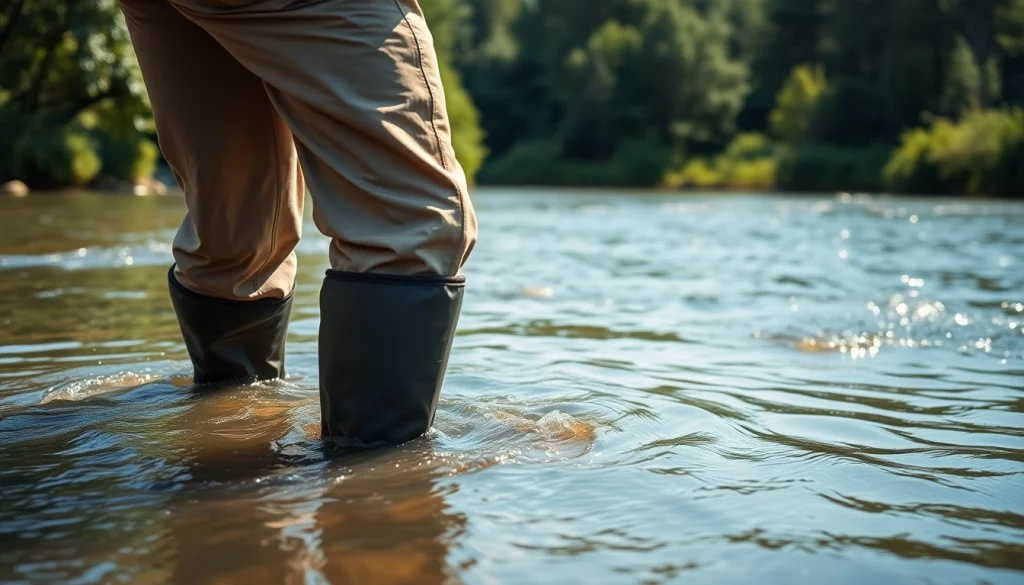
Fly fishing waders are specialized garments designed to keep anglers dry and comfortable while fishing in various water environments. Essentially, they are waterproof or water-resistant pants or overalls that extend up to the chest, allowing fishermen to wade into rivers, streams, and lakes without getting soaked. These versatile pieces of gear are fundamental for anyone serious about fly fishing, enabling them to access deeper waters and improving their chances of catching fish. Choosing the right pair of fly fishing waders can significantly impact your fishing experience.
Types of Fly Fishing Waders and Their Features
There are several types of fly fishing waders available, each designed to meet specific fishing needs and environmental conditions.
- Chest Waders: These are the most common and offer the maximum protection, coming up to the chest. They often include built-in boots and are ideal for deep water conditions.
- Hip Waders: These reach up to the thighs and are suitable for shallow waters. They are lighter and easier to put on and take off than chest waders.
- Commuter Waders: These are a hybrid style suitable for urban fishermen. They come with a more stylish design, often looking like regular pants while still providing waterproof functionality.
The choice of waders largely depends on the type of fishing you’ll be doing and the water conditions you’ll encounter.
Benefits of Using Fly Fishing Waders
Using fly fishing waders offers several advantages that enhance the fishing experience:
- Dryness and Comfort: Waders prevent water from entering, keeping you dry and warm in cooler conditions.
- Increased Mobility: They allow you to wade deeper into the water, increasing your reach and access to fish.
- Protection: Waders protect your legs from sharp objects, cold water, and rough terrains, reducing the risk of injury.
- Storage Options: Many waders come with pockets or attachment points for tools, giving you easy access to essential gear.
Key Considerations When Selecting Fly Fishing Waders
Determining the Right Size and Fit
Choosing the right size and fit is crucial for comfort and functionality in fly fishing waders. A well-fitting pair should allow you to move freely without being too loose or tight. Consider the following:
- Measure Yourself: Use a tape measure to get accurate measurements of your chest, waist, and inseam to find the perfect fit.
- Check Size Charts: Different brands may have slightly different sizing, so always refer to the manufacturer’s size chart for guidance.
- Try Them On: If possible, try the waders on with the clothing you’ll be wearing underneath. This can prevent sizing issues during your trip.
Choosing the Material: Neoprene vs. Breathable
The material of fly fishing waders greatly affects your comfort and performance:
- Neoprene: Known for its insulating properties, neoprene is ideal for cold weather. It provides warmth but often lacks breathability, which could lead to discomfort in warmer conditions.
- Breathable Fabrics: Materials like nylon or polyester with a waterproof lining allow for better ventilation, keeping you cool during hot days. Although they provide less insulation, they can often be layered with thermal clothing for colder environments.
Evaluating Price versus Quality of Fly Fishing Waders
When considering fly fishing waders, it’s essential to balance price against quality. High-quality waders may have a higher upfront cost, but they often provide better durability, comfort, and performance. Here are factors to consider:
- Material Quality: Investing in robust materials can reduce the need for replacements and repairs.
- Brand Reputation: Established brands usually invest in research and development, leading to better product performance.
- Warranty and Customer Support: Look for brands that offer warranties and good customer service, as this indicates confidence in their product’s quality.
Care and Maintenance of Fly Fishing Waders
Cleaning Your Fly Fishing Waders
Proper maintenance can extend the life of your fly fishing waders. Regular cleaning helps prevent the buildup of dirt and contaminants that can damage the material. To clean your waders:
- Rinse After Use: Always rinse your waders with fresh water after each use to remove dirt, sand, and salt.
- Use Mild Detergent: Occasionally, wash them with a mild detergent designed for waterproof clothing. Avoid harsh chemicals.
- Dry Properly: Air dry waders away from direct heat sources. Hanging them upside down can prevent water pooling.
Storage Tips for Longevity
How you store your fly fishing waders can significantly affect their lifespan:
- Store Dry: Ensure your waders are completely dry before storing them to prevent mildew and mold formation.
- Avoid Folding: Store them hanging to avoid creases and stress on seams.
- Cool, Dark Place: Keep them out of sunlight and extreme temperatures that can degrade materials over time.
Common Repairs and How to Fix Them
Wear and tear are inevitable, but many common issues with fly fishing waders can be repaired:
- Patching Holes: Use a repair patch kit designed for waterproof fabrics. Clean the area before applying the patch.
- Sealing Seams: If seams start to leak, consider applying seam sealant to reinforce their waterproof integrity.
- Handling Zippers: Ensure zippers are free from debris and lubricate them to prevent rusting and jamming.
Enhancing Your Fly Fishing Experience
Combining Fly Fishing Waders with Other Gear
To maximize your fishing experience, it’s crucial to combine fly fishing waders with appropriate gear:
- Footwear: Consider pairing waders with wading boots that provide grip and support.
- Layering Clothes: Layering provides flexibility in temperature regulation, allowing you to adjust based on weather.
- Tools and Accessories: Use vests, lanyards, or packs to keep essential tools accessible while fishing.
Tips for Staying Comfortable While Fishing
Comfort during long fishing sessions is vital. Here are some tips:
- Wear Appropriate Layers: Dressing in layers allows you to manage body temperature effectively and adapt to changing weather.
- Take Breaks: Don’t hesitate to take breaks. This not only keeps you fresh but also helps prevent fatigue.
- Stay Hydrated: Drink plenty of water to maintain your energy levels and focus while fishing.
Monitoring Weather Conditions and Safety
Always monitor weather conditions before heading out to fish. Here’s how to ensure safety during your fishing trip:
- Check Forecasts: Get reliable weather updates to avoid fishing in unsafe conditions.
- Wear a Life Jacket: Consider a personal flotation device, especially when fishing in rough waters.
- Informed Fishing Buddy: Always fish with someone or inform others about your fishing plans and expected return time for safety.
FAQs About Fly Fishing Waders
How long should fly fishing waders last?
With proper care, fly fishing waders can last several years. High-quality options might endure for 5 to 10 years, while cheaper pairs may last only a few seasons.
Can I wear fly fishing waders in cold weather?
Yes, many fly fishing waders are designed to keep you warm in cold conditions, especially if made from neoprene. Layering with thermal undergarments increases comfort.
How do I seal leaks in my fly fishing waders?
To seal leaks, you can use patch kits specifically designed for waders. Clean the area and apply the adhesive patch according to the manufacturer’s instructions.
What’s the best way to store fly fishing waders?
Store fly fishing waders in a cool, dry area, ensuring they are completely dry. Hang them up instead of folding to maintain their shape.
Are there specific waders for different fishing environments?
Yes, different waders are optimized for various environments. For instance, chest waders are great for deep waters, while hip waders work well in shallow streams.