

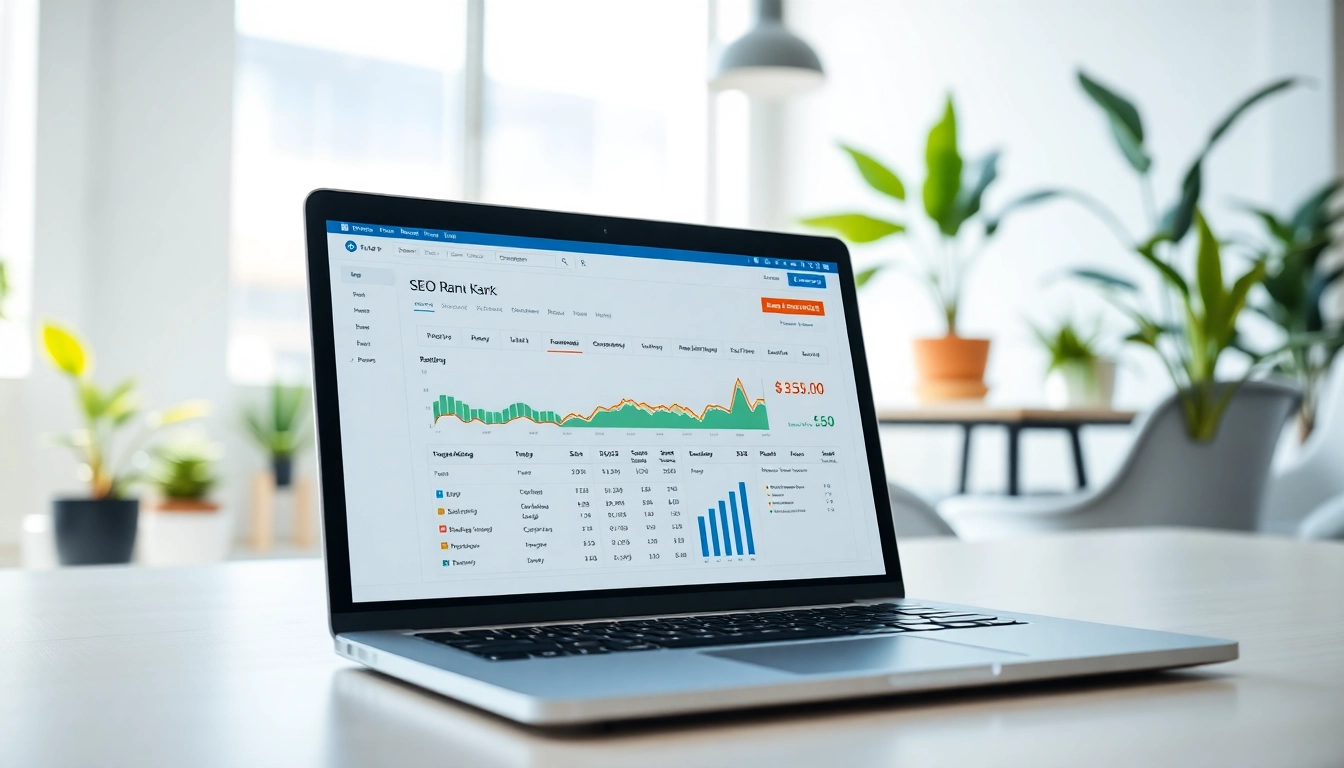
Understanding the SEO Rank Tracker
What is an SEO Rank Tracker?
An SEO Rank Tracker is a specialized tool designed to monitor and report the positions of specific keywords within search engine results. By examining where your website ranks for chosen keywords, you can gain insights into your SEO performance and understand how various elements of your strategy resonate with search algorithms. This visibility is crucial for optimizing content and improving overall online presence. The SEO Rank Tracker is instrumental for websites of all sizes in tracking keyword performance effectively.
Importance of SEO Rank Tracking
Tracking your search engine rankings is vital for a multitude of reasons. First, it enables businesses to assess the effectiveness of their SEO strategies. By regularly monitoring keyword rankings, you can determine which tactics yield the best results and where your efforts should be augmented or refined. Understanding the fluctuations in rankings helps anticipate trends, measure growth, and maintain competitive advantages over time.
Moreover, SEO rank tracking allows businesses to connect with their audience more effectively. Knowing what keywords drive traffic enables you to create content tailored to your users’ needs, ultimately resulting in higher engagement and conversion rates.
How SEO Rank Tracker Works
SEO Rank Trackers function by collecting data from search engines regarding the positions of specified keywords in relation to a website. Various algorithms are employed to analyze search engine results pages (SERPs) and collate this data. Users input their desired keywords, and the tracker provides ongoing updates reflecting ranking changes over time.
Most modern rank trackers feature advanced capabilities, allowing for the inclusion of local SEO, mobile rankings, and even competitor analysis. This multiplicity of data ensures a comprehensive understanding of how a website performs relative to others within the same niche.
Key Features of Effective SEO Rank Trackers
Real-Time Data Updates
The best SEO rank trackers provide real-time or near real-time updates, which are essential for timely decision-making. Fluctuations in rankings can occur due to various reasons, including algorithm updates or changes in user behavior. With instant data updates, businesses can swiftly adapt their strategies.
User-Friendly Dashboards
An intuitive dashboard is a hallmark of effective SEO tools. A user-friendly interface allows users to navigate effortlessly, access vital information, and understand performance at a glance. Features like drag-and-drop organization, customizable views, and easy-to-read charts enhance user experience, enabling marketers to focus on data analysis rather than getting bogged down by functionality issues.
Custom Reporting Capabilities
Customizable reports are crucial for effective communication of insights and results. An ideal SEO rank tracker allows users to generate tailored reports that focus specifically on KPIs relevant to their goals. Being able to present data through various formats, such as PDFs or online dashboards, enhances transparency and supports strategic discussions with stakeholders.
Integrating an SEO Rank Tracker into Your Strategy
Setting Up Your SEO Rank Tracker
When integrating an SEO Rank Tracker into your strategy, the first step is proper setup. Start by selecting the most appropriate tool based on your needs, considering features, pricing, and ease-of-use. After gaining access to the platform, you’ll input the keywords you wish to monitor and the geographic locations or devices relevant to your audience.
Next, analyze your current standing to establish a baseline. This provides a reference point against which progress can be measured. Consider scheduling regular assessments to ensure that data remains consistent and applicable.
Identifying Target Keywords
Choosing the right target keywords is integral to SEO success. Start with broad topics related to your niche and utilize keyword research tools to uncover associated search terms. Prioritize keywords based on search volume, user intent, and competition levels to find a balanced selection that aligns with your objectives.
Once your target keywords are defined, regularly revisit this list to refine or expand as your content evolves and trends change.
Monitoring Competitor Rankings
Analysis of competitor rankings is valuable for identifying opportunities and potential challenges. By observing which keywords your competitors rank for, you can adapt your strategies accordingly. Most SEO rank trackers offer competitor analysis features that allow you to parallel your performance with industry benchmarks.
Use this competitive insight to identify gaps in your own strategy, allowing for targeted adjustments that can enhance your visibility on search engines.
Best Practices for Analyzing Rank Tracking Data
Interpreting Data Insights
Data is only as valuable as its interpretation. Focus on trends over time rather than isolated data points. For example, consistent improvements in ranking could indicate the effectiveness of recent content strategies or optimizations. Look for patterns that correlate with changes in strategy to understand what works best for your audience.
Utilize comparative analyses, such as looking at performance during promotional periods versus non-promotional times, to gain deeper insights into what influences rankings.
Adjusting SEO Strategies for Improvement
SEO is not static; it requires continuous optimization based on data insights. Use your rank tracking data to identify underperforming keywords or content gaps. Adjust your strategies accordingly by creating new content targeting these keywords, optimizing existing pages, or redefining your audience focus.
Implementing A/B testing on title tags and descriptions can also yield valuable insights into what attracts users and improves click-through rates.
Performance Metrics to Focus On
While it may be tempting to focus solely on rankings, it’s essential to consider other performance metrics like organic traffic, conversion rates, and user engagement. Look for correlations between rankings and these metrics to paint a complete picture of your SEO health.
Monitoring the bounce rate of pages that rank well can help you determine if users find what they expect upon clicking your link, indicating content quality and relevance.
FAQs about SEO Rank Tracking
What benefits does an SEO Rank Tracker offer?
An SEO Rank Tracker provides valuable insights into keyword positions, helping you assess SEO strategies’ effectiveness, adapt to trends, and improve content optimization based on data.
How often should I check my rankings?
Regular monitoring, ideally weekly or bi-weekly, allows you to identify trends and make timely adjustments to your SEO strategies, keeping you competitive.
Can I track multiple keywords with one tool?
Yes, most SEO Rank Trackers allow you to monitor multiple keywords simultaneously, providing insights across various topics and search terms relevant to your strategies.
What metrics are most important in rank tracking?
Key metrics include keyword ranking positions, organic traffic volume, click-through rates, and conversion rates. These provide a holistic view of SEO effectiveness.
How do I know if my SEO strategies are working?
Monitor changes in keyword rankings alongside organic traffic growth and user engagement metrics. Positive trends in these areas are indicators of successful SEO efforts.


