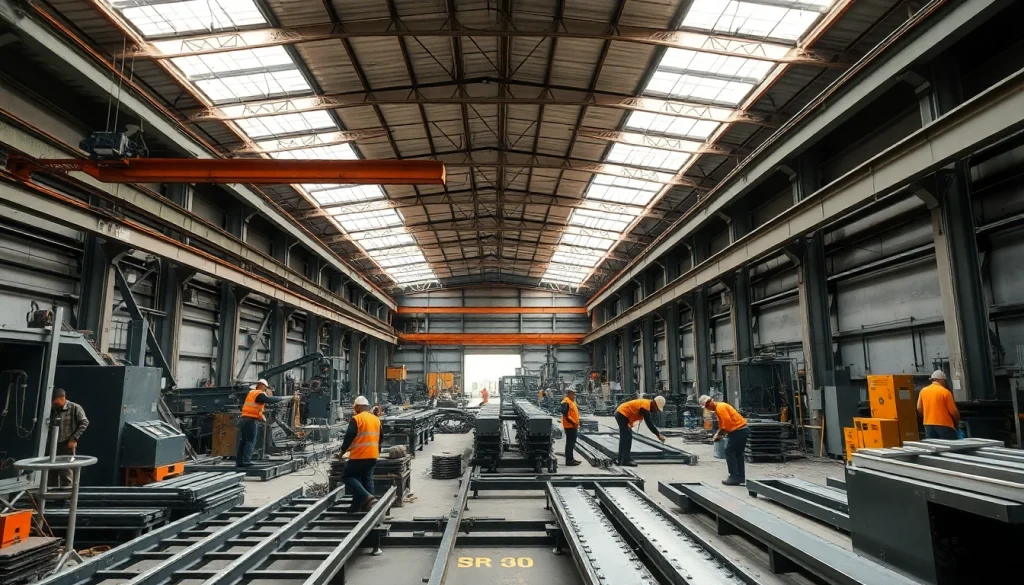
Understanding the Steel Fabrication Shop Process
What is a Steel Fabrication Shop?
A steel fabrication shop is a specialized facility where various steel components are designed, cut, fabricated, and assembled for use in a wide array of projects, from commercial buildings to industrial equipment. This complex process involves converting raw steel into finished products through a series of steps that require precision, skilled labor, and various pieces of advanced equipment. Steel fabrication shops typically serve industries such as construction, manufacturing, automotive, and shipbuilding, providing essential materials and components needed to build and maintain infrastructure and machinery.
Key Processes in Steel Fabrication
Steel fabrication encompasses several critical processes, each contributing to the production of high-quality steel products. Understanding these steps is essential for anyone looking to optimize their operations or engage with a steel fabrication shop effectively.
- Design and Engineering: This is the initial phase where the fabrication requirements are assessed, and technical drawings or CAD models are created. This ensures that the products meet the specifications needed for their intended application.
- Material Selection: Choosing the right type of steel and other materials is critical. Factors such as strength, weight, and corrosion resistance will influence this decision.
- Cutting: Steel is cut to size using various methods, including saws, lasers, and plasma cutters. Precision cutting is essential to minimize waste and ensure that all pieces fit together correctly.
- Forming: This involves bending and shaping the steel components into the required forms. Techniques like rolling, stamping, or forging may be used depending on the complexity of the shapes.
- Assembly: Once all components are ready, they are assembled. This can involve welding, bolting, or riveting, depending on the design and strength requirements of the final product.
- Finishing: Finally, components may undergo surface treatments such as painting, galvanizing, or powder coating to protect against corrosion and enhance aesthetics.
Essential Equipment for a Steel Fabrication Shop
The efficiency and quality of a steel fabrication shop heavily depend on the equipment utilized. Here is a list of essential machinery and tools commonly found in a steel fabrication environment:
- Cutting Equipment: Machines such as band saws, laser cutters, and plasma cutters allow for precise and clean cuts necessary for high-quality fabrication.
- Bending Machines: Hydraulic press brakes and roll bending machines enable the forming of steel into the desired shapes.
- Welding Equipment: This includes MIG, TIG, and stick welders, which are critical for joining metal parts accurately.
- Material Handling Tools: Cranes and forklifts facilitate the movement of heavy steel sections around the shop, improving workflow and safety.
- Quality Control Tools: Measuring tools such as calipers and gauges ensure that all components meet specified tolerances.
Choosing the Right Materials
Types of Steel Used in Fabrication
Choosing the correct type of steel is fundamental when operating a steel fabrication shop. Different types of steel possess unique properties that make them suitable for various applications. Here are some of the most commonly used steel materials in fabrication:
- Mild Steel: Known for its ductility and malleability, mild steel is often used in general fabrication work and building frames.
- Stainless Steel: This type of steel is prized for its corrosion resistance, making it ideal for applications requiring hygiene and cleanliness, such as in the food and pharmaceutical industries.
- Alloy Steel: Alloy steels are formulated with specific elements to enhance certain properties, such as strength and toughness, making them suitable for heavy machinery and tools.
- Carbon Steel: Commonly used for high-strength applications, carbon steel is essential in construction and automotive components.
- Tool Steel: Known for its hardness and resistance to deformation, tool steels are utilized to make cutting tools and dies.
Factors to Consider When Selecting Materials
Selecting the right materials for steel fabrication requires a thoughtful approach. Key considerations include:
- Application Requirements: Understanding the end use of the fabrications determines the necessary material properties.
- Cost Constraints: Budget limitations will significantly influence the choice of materials, necessitating a balance between cost and quality.
- Environmental Conditions: The operational environment (e.g., exposure to moisture, temperature fluctuations) will dictate materials that will hold up over time.
- Availability and Supply: Building strong relationships with suppliers is essential for consistent quality and availability.
Supplier Relationships for Quality Steel
A reliable network of suppliers is pivotal to the success of a steel fabrication shop. Building long-term relationships can yield benefits such as better pricing, priority service, and quality assurance. Here are some strategies to foster strong supplier relationships:
- Open Communication: Regular dialogue regarding needs, expectations, and feedback enhances collaboration.
- Consistency in Orders: Placing consistent orders helps suppliers to better plan their resources, often resulting in better pricing and service.
- Quality Assessments: Establishing periodic quality checks can help ensure that the materials received consistently meet the desired standards.
- Strategic Partnerships: Consider forming partnerships with suppliers for exclusive discounts or faster lead times based on mutual benefit.
Implementing Efficient Workflow Strategies
Streamlining Production Processes
To run a successful steel fabrication shop, optimizing workflow is essential. Streamlined processes reduce waste, improve lead times, and enhance product quality. Below are strategies to achieve an efficient workflow:
- Lean Manufacturing Approaches: Adopt lean principles to minimize waste and enhance productivity.
- Production Scheduling: Implement effective scheduling techniques to ensure that all stages of fabrication are aligned and minimize bottlenecks.
- Standard Operating Procedures (SOPs): Developing clear SOPs helps ensure that each step in the process is completed uniformly, reducing errors.
Utilizing Technology in a Steel Fabrication Shop
The integration of technology into steel fabrication processes cannot be overstated. Embracing technology not only enhances efficiency but also improves accuracy and quality. Consider the following technological advancements:
- CNC Machines: Computer Numerical Control (CNC) machines allow for precise automation of cutting, ensuring consistency and accuracy in production.
- 3D Modeling Software: Advanced software enables designers to visualize components and test their functionality before fabrication, reducing errors.
- Inventory Management Systems: Automated systems help track materials and components, preventing shortages and excess.
- Project Management Software: Tools that facilitate project tracking, employee assignments, and timelines can enhance overall production oversight.
Best Practices for Workplace Organization
Efficient organization in a steel fabrication shop can significantly impact productivity. Best practices include:
- 5S Methodology: Implementing Sort, Set in order, Shine, Standardize, and Sustain ensures a clean and orderly work environment.
- Visual Management: Clearly labeled workstations and visual cues can reduce miscommunication and streamline operations.
- Regular Audits: Conducting periodic assessments of organization can identify areas for improvement and areas of waste.
Ensuring Safety and Compliance
Safety Standards in Steel Fabrication
Safety is paramount in a steel fabrication shop, where heavy machinery and materials pose potential hazards. Adherence to safety standards is essential not only for employee protection but also for regulatory compliance. Key safety standards include:
- OSHA Compliance: Adhering to Occupational Safety and Health Administration (OSHA) guidelines helps ensure a safe working environment.
- Personal Protective Equipment (PPE): Mandatory use of helmets, gloves, goggles, and other protective gear is critical to guard against workplace injuries.
- Safety Protocols: Regular drills and clearly posted safety protocols help employees react appropriately in emergencies.
Training Employees on Safety Protocols
Comprehensive training programs are vital to ensure all employees are well-versed in safety procedures. Implementation can follow these guidelines:
- Onboarding Training: Newly hired employees must undergo safety training as part of their initial onboarding process.
- Continuous Education: Ongoing training sessions help reinforce safety practices and keep everyone updated on new protocols.
- Certification Programs: Encouraging employees to obtain safety certifications can enhance their knowledge and commitment to workplace safety.
Regular Maintenance for Safety Equipment
Regular maintenance of safety equipment is crucial in a steel fabrication shop. To ensure that all safety devices are functioning correctly, consider these practices:
- Scheduled Inspections: Implement a routine schedule for inspecting all safety gear to ensure it is in good working condition.
- Immediate Repairs: Any faulty safety equipment should be repaired or replaced immediately to prevent accidents.
- Documentation: Maintain accurate records of inspections and maintenance to ensure regulatory compliance and identify recurring issues.
Measuring Success in a Steel Fabrication Shop
Key Performance Indicators to Track
To measure and drive success in a steel fabrication shop, it’s essential to track relevant Key Performance Indicators (KPIs). Some vital KPIs include:
- Production Efficiency: Measuring output relative to input can reveal how effectively resources are utilized.
- Quality Control Metrics: Tracking defect rates and compliance with specifications provides insight into product quality.
- On-Time Delivery Rate: Monitoring the percentage of orders delivered on time helps assess customer satisfaction and operational reliability.
- Employee Productivity: Evaluating individual and team productivity can identify high performers and areas needing improvement.
Customer Feedback and Quality Assessment
Gathering customer feedback is a powerful tool for assessing quality and service in a steel fabrication shop. Implementing effective feedback loops can involve:
- Surveys: Sending out customer satisfaction surveys can provide valuable insights into their experience.
- Direct Communication: Establishing regular communication with clients can build relationships and facilitate candid discussions about quality.
- Quality Audits: Periodic audits of finished products against customer specifications can help benchmark quality.
Continuous Improvement Strategies
Achieving and maintaining high standards in a steel fabrication shop requires a commitment to continuous improvement. Consider the following strategies:
- Kaizen Techniques: Implementing small, continuous changes can result in significant overall improvements in efficiency and quality.
- Employee Involvement: Encouraging staff to contribute ideas for improving processes can foster a culture of ownership and innovation.
- Regular Training and Skill Development: Investing in the professional development of employees ensures that they are skilled in the latest techniques and technologies.