Understanding HVAC Systems
What Is HVAC?
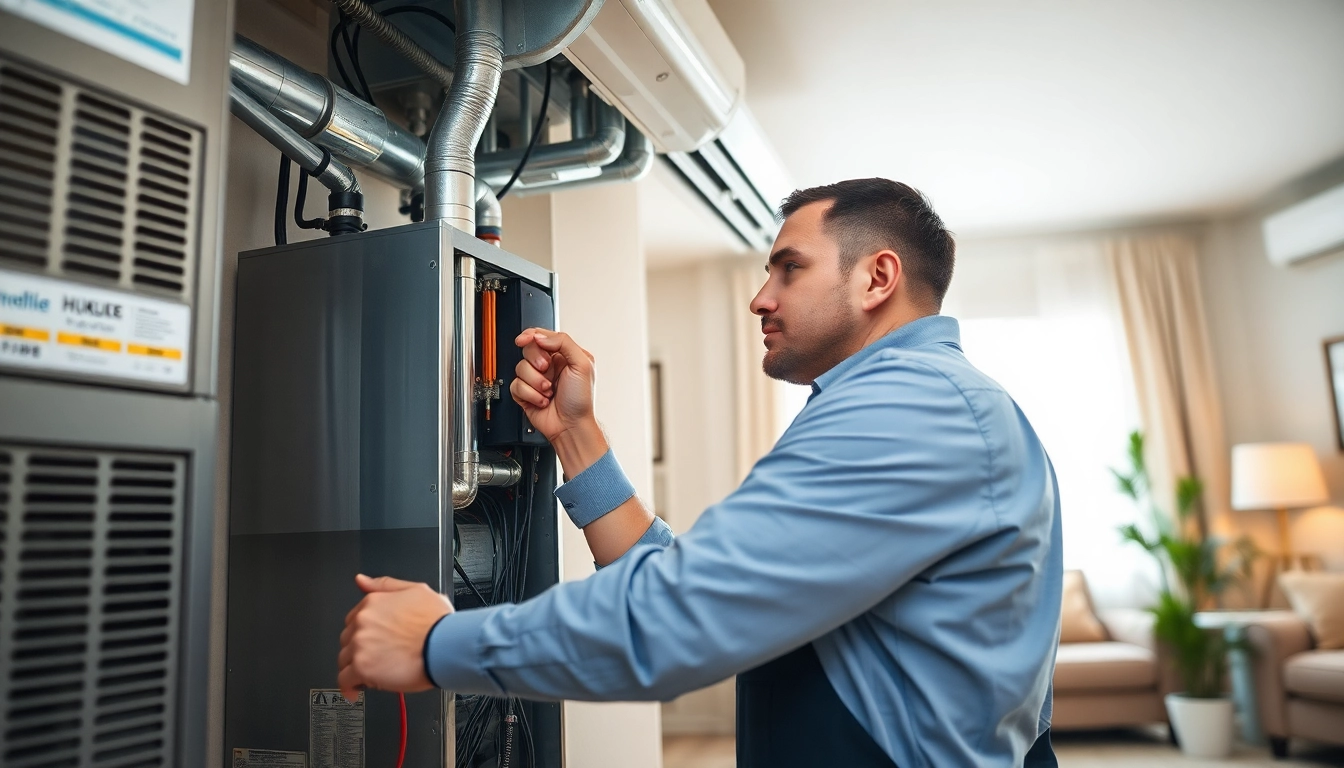
HVAC stands for Heating, Ventilation, and Air Conditioning. It refers to the technology of indoor and vehicular environmental comfort, primarily focusing on providing thermal comfort and acceptable indoor air quality. An HVAC system strategically manages air flow, temperature, and humidity through various components such as furnaces, air conditioners, ductwork, and ventilation systems. In essence, HVAC systems are essential for maintaining a comfortable living environment, especially in regions with varying climate conditions, such as Alberta.
Types of HVAC Systems
There are several types of HVAC systems, each tailored to specific needs and environments:
- Split Systems: The most common type, consisting of an outdoor unit (compressor and condenser) and an indoor unit (evaporator coil and air handler).
- Packaged Systems: All components are housed together in a single outdoor unit, making them ideal for smaller spaces.
- Ductless Mini-Split Systems: These systems provide heating and cooling without ductwork, allowing for targeted temperature control in specific areas.
- Geothermal Systems: These use the earth’s temperature to heat and cool a building efficiently, making them highly energy efficient and environmentally friendly.
- Hybrid Systems: A combination of traditional combustion and electric sources for heating, optimizing comfort and energy consumption.
Benefits of Proper HVAC Installation
Proper installation of HVAC systems is critical. Here are some benefits:
- Enhanced Efficiency: Correct setup optimizes the performance of the system, leading to lower energy bills.
- Improved Lifespan: Professional installation can extend the life of the HVAC unit by minimizing wear and tear.
- Better Indoor Air Quality: Properly installed systems ensure effective air circulation and filtration, improving indoor air quality.
- Comfort Consistency: An accurately installed HVAC system maintains consistent temperatures and airflow throughout the home.
Why Choose an Alberta HVAC Dealer?
Local Expertise and Support
Choosing a local alberta hvac dealer comes with significant advantages. They possess a deep understanding of local climate patterns, building codes, and common HVAC needs specific to Alberta. This expertise allows them to recommend the most suitable systems and solutions while offering timely support and service to meet unique demands.
Access to Quality Brands
Alberta HVAC dealers often have partnerships with reputable brands known for reliability and efficiency. These dealers can provide a wide selection of high-quality products, ensuring that customers have access to the latest technologies and innovations in the HVAC industry. By working with a local dealer, homeowners can often benefit from special deals, warranties, and service guarantees, further enhancing the value of their investment.
Customer Reviews and Ratings
When choosing an HVAC dealer, customer feedback is invaluable. Local dealers typically have a history in the community, which means their reputation is on the line. Exploring reviews and ratings helps prospective customers gauge the quality of service, responsiveness, and overall experience. A strong local presence often translates to a commitment to customer satisfaction, providing peace of mind for homeowners.
How to Evaluate HVAC Dealers
Certifications and Experience
When assessing HVAC dealers, it's crucial to check their certifications and industry experience. Look for certifications like NATE (North American Technician Excellence) and ongoing training programs that ensure technicians are up-to-date with the latest HVAC technologies and practices. Experienced dealers can offer insights and solutions that new entrants may overlook.
Price Estimates and Transparency
Transparency in pricing is essential for a positive experience. Reputable dealers provide detailed estimates outlining all potential costs, eliminating surprises down the road. Evaluating multiple quotes helps homeowners balance budget constraints with the quality of service offered. It's also wise to inquire about any additional fees or potential costs related to installation or future maintenance.
Service Agreements and Maintenance
Regular maintenance is critical in ensuring the longevity and efficiency of HVAC systems. Evaluate the service agreements offered by dealers—do they include routine checks, emergency service provisions, and parts warranties? A solid service agreement can provide long-term savings and assurance, making it an important factor when selecting a dealer.
Common HVAC Challenges in Alberta
Extreme Weather Considerations
Residents of Alberta face unique challenges due to the extreme variations in weather. Harsh winters require robust heating solutions, while hot summers demand efficient cooling systems. An Alberta HVAC dealer can recommend specific systems designed to handle these extreme temperatures while helping homeowners understand the importance of maintaining their equipment throughout the seasonal cycles.
Energy Efficiency Improvements
With rising energy costs and growing environmental concerns, energy efficiency is more critical than ever. Many homeowners face challenges in identifying and implementing energy-efficient upgrades. A knowledgeable HVAC dealer can provide a detailed energy audit, recommend suitable upgrades like programmable thermostats or high-efficiency units, and assist with potential rebates and incentives for energy-efficient installations.
Custom Solutions for Unique Homes
Every home is different; therefore, HVAC needs vary greatly. Some homes may require custom ductwork or specialized systems due to unique layouts or construction materials. An Alberta HVAC dealer has the expertise to design tailored solutions fitting the distinct characteristics of each home, ensuring optimal comfort and efficiency.
Frequently Asked Questions
What should I look for in an HVAC dealer?
Consider certifications, customer reviews, and local expertise to ensure quality service.
How often should I service my HVAC system?
It's recommended to service your HVAC system at least once a year to maintain efficiency and prevent unexpected repairs.
What are the benefits of an energy-efficient HVAC system?
Energy-efficient systems reduce utility bills, enhance comfort, and have a lower environmental impact through less energy consumption.
Can I install HVAC systems myself?
While DIY installation is possible, professional installation is recommended to ensure safety and optimal performance of the system.
How long do HVAC systems last?
With proper maintenance, most HVAC systems can last between 15 to 25 years, depending on usage, care, and type of system.