Understanding Smart Thermostat Benefits
The integration of a Smart thermostat into your home can revolutionize the way you manage your heating and cooling systems. These devices not only enhance comfort but also introduce significant energy savings and convenience. This article explores the multifaceted benefits of smart thermostats, delving into how they can transform your living space for the better.
Energy Savings with Smart Thermostat
One of the most appealing advantages of utilizing a smart thermostat is the energy savings it can provide. Smart thermostats are designed to adapt to your lifestyle, learning your heating and cooling patterns over time. For instance, when you leave for work or vacation, the thermostat can automatically adjust the temperature to optimize energy use, potentially saving you 10-15% on your energy bills.
Additionally, many smart thermostats include features like geofencing, which uses your smartphone's location to determine whether you're home. This ensures that energy is not wasted heating or cooling an empty house. Energy consumption monitoring and detailed reports allow you to review usage trends, helping you make informed decisions about your energy habits.
Convenience Factors in Using Smart Thermostat
In the modern world, convenience is key. Smart thermostats provide homeowners with the ability to control their heating and cooling systems remotely through a smartphone app. This means you can adjust your home's temperature from anywhere, ensuring you always return to a comfortable environment.
Moreover, the voice-activated features available in many smart thermostats allow for hands-free control. Using platforms like Alexa or Google Assistant, you can easily set the temperature with simple voice commands, enhancing the user experience and allowing for seamless integration into your daily routines.
Home Automation Integration with Smart Thermostat
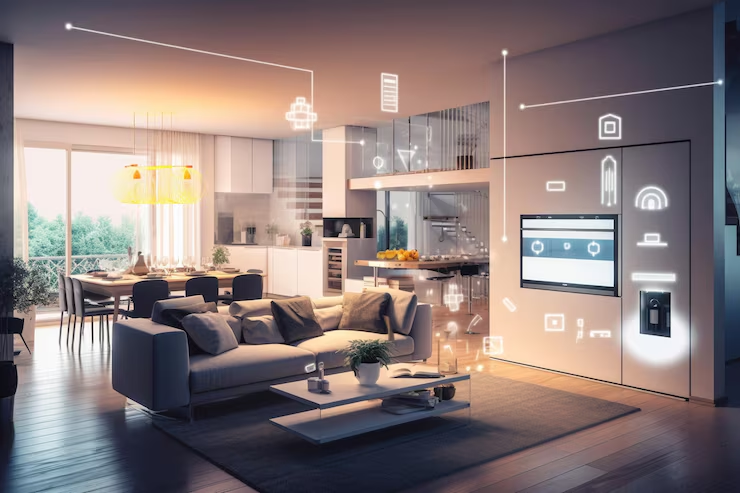
Smart thermostats serve as a pivotal component of home automation systems. With interoperability with various IoT devices, such as smart lights, security systems, and home entertainment setups, smart thermostats enhance your home's functionality. For example, you can program your thermostat to adjust temperatures while synchronizing with other devices, achieving a comprehensive smart home experience.
For instance, when you leave home, not only does the smart thermostat adjust the temperature, but it can also turn off lights and activate security features, contributing to both energy efficiency and security.
Features to Look for in a Smart Thermostat
When exploring options for a smart thermostat, it’s crucial to understand the various features available. Not all smart thermostats are created equal; some have enhanced functionalities tailored for different needs. Here are key features to consider:
Temperature Control Options of Smart Thermostat
Flexibility in temperature control options is fundamental. Look for smart thermostats that offer both manual and automatic modes, allowing you to take direct control when necessary. Some models provide multi-zone capabilities, meaning you can set different temperatures in various areas of your home, maximizing comfort throughout.
User Interface and Experience of Smart Thermostat
The user interface plays a significant role in how effectively you can use a smart thermostat. A user-friendly interface with a clear display makes it easier to navigate settings and programming options. Look for models that include touchscreens, easy-to-read app interfaces, and helpful tutorials to simplify the learning curve.
Connectivity and Compatibility of Smart Thermostat
Connectivity is another essential factor. Ensure your smart thermostat is compatible with your home’s Wi-Fi setup and other smart home devices. Many models also support connectivity to popular home automation platforms, enabling you to integrate it seamlessly into your existing system.
Installation Guidelines for Smart Thermostat
Installing a smart thermostat can be a straightforward process, but proper preparation is essential to avoid complications. Here’s what you need to know to get started:
Preparing Your Home for Smart Thermostat
Before installation, ensure your existing thermostat is compatible with the smart model you’ve chosen. Check if you have a C-wire (common wire), which provides continuous power. If not, consider purchasing a model that can operate without it or consult a professional for installation.
Gather the necessary tools, such as a screwdriver and a level, and read the installation instructions provided by the manufacturer thoroughly.
Steps to Install Smart Thermostat
1. Turn Off Power: Ensure the HVAC system is powered down. 2. Remove the Old Thermostat: Carefully detach the existing thermostat and label the wires for proper reconnection. 3. Connect the Smart Thermostat: Follow the wiring diagram included with your new device, connecting the wires to the corresponding terminals. 4. Mount the Thermostat: Secure the base of the thermostat to the wall and ensure it is level. 5. Power On and Configure: Turn the power back on, and follow the on-screen instructions to set up your new thermostat.
Common Installation Issues with Smart Thermostat
During installation, several common issues may arise. For example, incorrect wiring can prevent the thermostat from functioning or could potentially damage the HVAC system. Testing each wire connection and consulting the user manual can often resolve these issues. If problems persist, consider seeking professional help.
Maximizing Energy Efficiency with Smart Thermostat
To harness the energy-saving potential of your smart thermostat, adapting your usage is vital. Here are some effective strategies:
Programming Your Smart Thermostat
Programming your smart thermostat according to your schedule is essential. Set specific heating and cooling times tailored to when you're home or away. Many smart thermostats also suggest optimized temperatures based on your routine, maximizing efficiency while ensuring comfort.
Usage Trends for Smart Thermostat
Monitoring your energy usage trends can greatly influence your strategies for energy efficiency. Analyze periods of high consumption and adjust settings or behaviors accordingly. Using data insights from your smart thermostat, such as peak usage times, can help refine your energy strategy.
Monitoring and Adjustments with Smart Thermostat
Regularly monitor your heating and cooling patterns and make adjustments as necessary. Many smart thermostats offer alerts for maintenance, ensuring your system runs efficiently. This proactive approach helps to maintain optimal performance, prolong the lifespan of your HVAC system, and significantly reduces unnecessary costs.
Frequently Asked Questions about Smart Thermostat
How does a Smart thermostat save energy?
A Smart thermostat saves energy by learning your schedule and adjusting the temperature when you're home or away, preventing unnecessary heating or cooling.
Can I use Smart thermostat with multiple devices?
Yes, most Smart thermostats can connect to multiple smart devices, enabling integrated control and automation across various systems in your home.
What features are essential in a Smart thermostat?
Key features include learning capabilities, geofencing, remote access via an app, and compatibility with home automation systems for optimal performance.
Is it difficult to install a Smart thermostat?
Installation can be straightforward. However, it's crucial to ensure your existing wiring is compatible. Complex setups may require professional assistance.
What should I consider when buying a Smart thermostat?
Consider compatibility with your HVAC system, user interface ease, connectivity options, and energy-saving features to ensure the best choice for your needs.