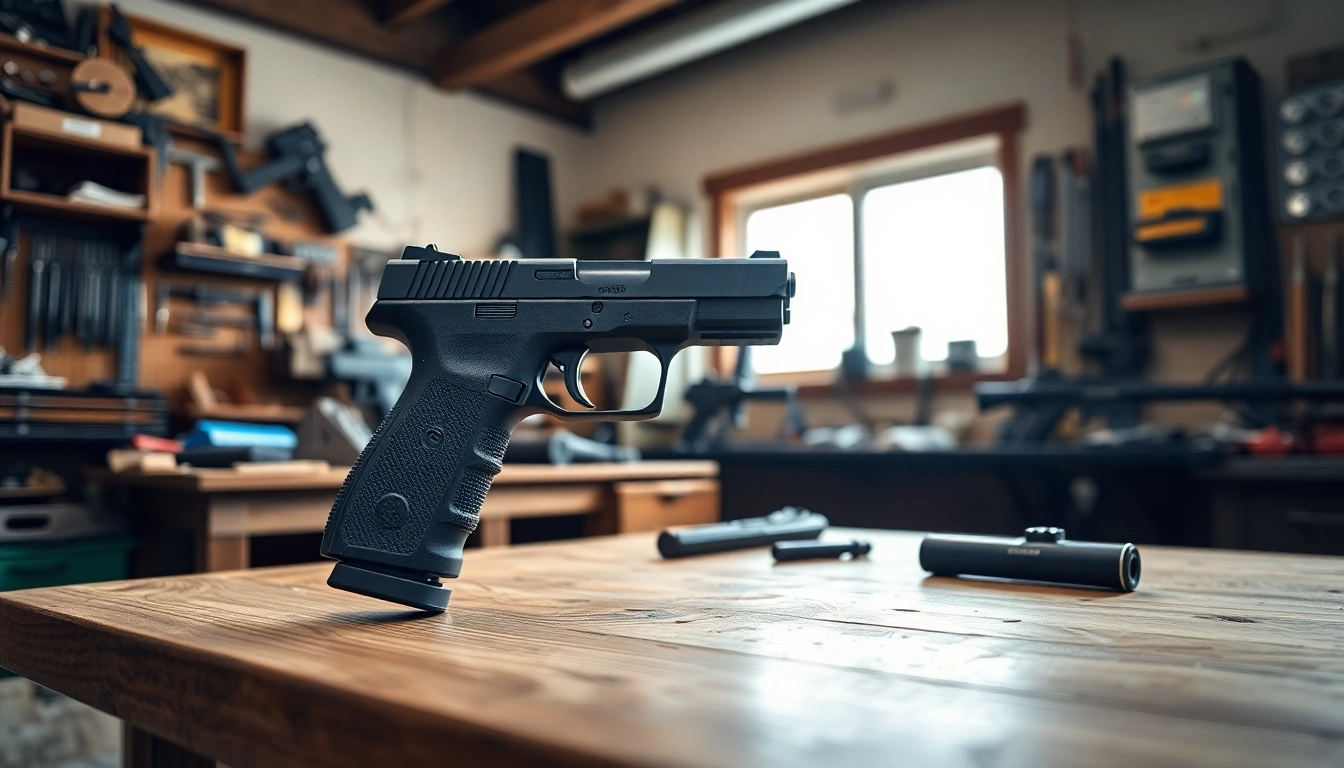
Understanding the Polymer-80 Handgun
What is a Polymer-80 Handgun?
The polymer-80 handgun is a type of firearm that has gained significant popularity in recent years due to its unique design and construction. Essentially, it falls into the category of “ghost guns,” evident by the fact that they can be assembled by individuals from unfinished kits without requiring serial numbers. Unlike standard firearms, these handguns provide users with the ability to personalize their firearm extensively during assembly.
Key Features of Polymer-80 Handguns
Polymer-80 handguns boast several distinguishing features that set them apart from conventional firearms. Key characteristics include:
- Modular Design: The frame and components are designed for flexibility, allowing users to switch parts easily.
- Customization Capability: From grip stippling to slide cuts, users can personalize their handgun based on preferences.
- Durable Materials: Constructed from high-quality polymers, they offer significant resistance to wear and tear.
- Lightweight Structure: The use of lightweight materials ensures convenience during use and carries.
Benefits of Choosing Polymer-80 Handguns
The advantages of opting for a polymer-80 handgun extend beyond the initial customization. Some notable benefits include:
- Cost-Effectiveness: Purchasing a kit can be significantly cheaper than buying fully assembled handguns.
- Learning Experience: Assembling the gun provides an educational opportunity and enhances understanding of firearm mechanics.
- Ownership Control: Individuals enjoy the freedom of building their weapon without the constraints of registration.
- Skepticism Over Regulations: They are often viewed with skepticism, leading to further interest and involvement in the firearms community.
Construction and Design Details
Materials Used in Polymer-80 Handguns
The construction of polymer-80 handguns primarily utilizes high-density polymer, which ensures durability and longevity. The choice of materials not only contributes to strength but also makes the firearm lightweight, enhancing user comfort during handling. Steel components are often incorporated into areas requiring additional reinforcement, such as trigger mechanisms and attachment points.
Ergonomic Design Elements
Ergonomics plays a pivotal role in the design of polymer-80 handguns. Features like grip texture, finger grooves, and adjustable backstraps are critical for user comfort and performance. These elements are designed to ensure that the handgun sits comfortably in the hand, maximizing accuracy and reducing fatigue during extended use.
Customization Options Available
One of the primary attractions of polymer-80 handguns is the extensive customization capability. Users can select parts based on their preferences, ranging from barrels to triggers. The ability to modify sights, colors, and finishes adds to the appeal, allowing the owner to create a truly unique firearm suited to their style and requirements.
Legality and Compliance Information
Understanding Ghost Guns and Their Regulations
Ghost guns, including polymer-80 handguns, operate in a relatively gray area in many jurisdictions. The term refers to firearms assembled from kits or individual components that are not registered. While legal in certain states, regulations can vary significantly, with some areas implementing stringent restrictions or outright bans. Understanding state laws is essential for potential owners.
State-Specific Laws Regarding Polymer-80 Handguns
Different states enforce their regulations regarding polymer-80 handguns. Some states require individuals to serialize their completed firearms, while others may have no such requirements. It's crucial for potential owners to familiarize themselves with state-specific legislation, ensuring compliance with all legal requirements before purchasing or assembling a polymer-80 handgun.
Staying Compliant with Federal Firearm Laws
At the federal level, regulations concerning polymer-80 handguns are also evolving. The Bureau of Alcohol, Tobacco, Firearms and Explosives (ATF) has issued guidelines outlining the legalities surrounding the sale and assembly of these firearms. Remaining compliant with both state and federal laws helps avoid legal consequences and promotes responsible ownership.
Performance and Reliability
Testing the Polymer-80 Handgun Performance
Performance tests reveal that polymer-80 handguns exhibit reliability traits comparable to traditional firearms. Users have reported consistent accuracy and dependable firing under various conditions. Range testing often highlights their capacity to withstand both casual and competitive shooting scenarios without failures, making them suitable for diverse applications.
Common User Feedback and Reviews
User feedback on polymer-80 handguns has generally been positive, focusing on aspects such as customization, ease of assembly, and affordability. However, some reviews point to challenges in parts compatibility and assembly precision, which can influence overall performance. Gathering insights from experienced users can provide newcomers with practical tips for optimizing their builds.
Comparison to Other Handguns
When compared to traditional handguns, polymer-80 models offer unique advantages and trade-offs. While customization abilities and ownership freedom stand out, potential downsides include concerns over legal compliance and potential quality variances between kits. Evaluating these factors allows users to make informed purchasing decisions based on their preferences and needs.
Maintenance and Care Tips
Cleaning Your Polymer-80 Handgun
Regular cleaning is crucial to the longevity and reliability of any firearm, including polymer-80 handguns. Basic cleaning involves disassembling the gun, using appropriate solvents to clean components, and ensuring that all parts are dried and lubricated. Establishing a cleaning routine enhances performance and reduces the risk of malfunctions during operation.
Best Practices for Long-term Care
In addition to routine cleaning, following best practices for long-term care involves safe storage and regular inspections. Firearms should be kept in secure environments to protect against theft and damage. Users are advised to periodically check for signs of wear, ensuring that components remain in optimal condition for reliable performance.
Preparing Your Handgun for Storage
Before storing a polymer-80 handgun, cleaning and lubricating all moving parts is essential. Users should ensure the firearm is unloaded and secure it in a location that is both dry and safe. Utilizing a protective case can prevent damage and safeguard against environmental factors, prolonging the lifespan of the handgun.
Frequently Asked Questions
1. Are polymer-80 handguns legal to own?
Yes, polymer-80 handguns are legal in many jurisdictions, but regulations vary by state. It's essential to check local laws before purchasing.
2. What materials are used to make polymer-80 handguns?
Polymer-80 handguns are primarily made of high-density polymer, reinforced with steel components in critical areas for added durability.
3. Can I customize my polymer-80 handgun?
Yes, one of the main benefits of polymer-80 handguns is the extensive customization options available, allowing personalization of various components.
4. How reliable are polymer-80 handguns?
Generally, polymer-80 handguns are regarded as reliable, with user feedback highlighting their performance in both casual and competitive shooting.
5. What are the maintenance needs for a polymer-80 handgun?
Regular cleaning and long-term care are necessary for optimal performance. Users should establish a maintenance routine to ensure longevity.