Understanding the Causes of Pet Odor
Common Sources of Pet Odor
Pet odors can stem from various sources, primarily relating to our furry friends' behaviors and biology. The most common culprits include urine, feces, vomit, and dander. When these substances come into contact with carpet fibers, they can penetrate deeply, creating lingering smells that are difficult to remove. Urine, especially, contains uric acid crystals, which can remain even after the liquid is cleaned up, leading to persistent odors. In addition to biological waste, wet dog fur or cat litter can contribute to an unpleasant aroma, especially in enclosed spaces.
How Pet Odor Affects Carpets
Carpet is particularly susceptible to retaining pet odors due to its porous nature and the way the fibers absorb liquid. When a pet has an accident or leaves behind dander, the smell can bind to the carpet fibers and padding, creating an unpleasant environment. Over time, this buildup can become overwhelming, making your living space feel less welcoming. In addition, pet odors can affect indoor air quality, potentially leading to respiratory issues, particularly in sensitive individuals, and overall discomfort in the home.
The Importance of Regular Cleaning
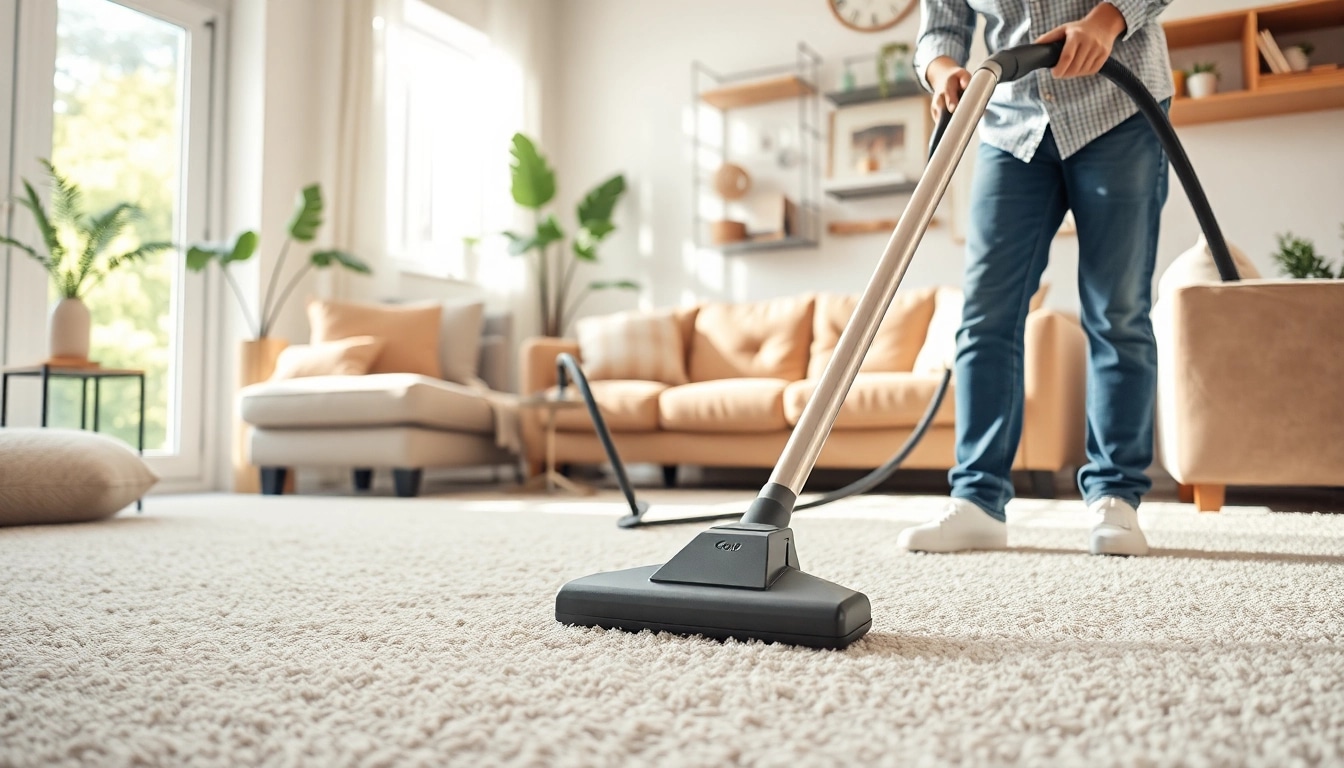
Cleaning carpets regularly plays a crucial role in eliminating pet odors. Regular maintenance helps prevent the buildup of these odors, keeps carpets looking fresh, and extends their lifespan. Establishing a cleaning routine that includes vacuuming, spot-treating stains, and deep-cleaning at intervals can greatly reduce the presence of pet odors. For those facing persistent smells, investing time into a robust cleaning schedule is necessary to ensure a healthy living environment. As part of this routine, incorporating pet odor carpet cleaning solutions might be worthwhile.
Tools Needed for Pet Odor Carpet Cleaning
Essential Cleaning Equipment
Having the right tools for pet odor carpet cleaning can make the process more efficient. Essential equipment includes a powerful vacuum cleaner equipped with a HEPA filter to capture pet hair and dander effectively. A carpet cleaner or steam cleaner can remove deep stains and odors, while a spray bottle or carpet applicator will help distribute cleaning solutions. Additionally, microfiber cloths, scrub brushes, and pet odor neutralizers will aid in spot-cleaning efforts.
Choosing the Right Cleaning Solutions
Selecting the right cleaning solution is critical for effective odor removal. Look for enzymatic cleaners specifically designed to break down organic matter, such as pet urine. Natural alternatives, like vinegar, baking soda, and hydrogen peroxide, can also be effective; however, it's essential to test them on inconspicuous areas of the carpet first to prevent discoloration. Make sure to read the manufacturer's instructions and choose formulas that are safe for both carpets and pets.
Safety Considerations for Pets
When cleaning carpets, it’s vital to consider the safety of your pets. Choose non-toxic cleaning agents and avoid products that contain harsh chemicals. Always ventilate the area during and after cleaning to reduce the concentration of cleaning fumes. If you've applied a new cleaning product, allow sufficient drying time before letting pets back onto the carpet to minimize any risk. Keeping pets away from cleaning areas until everything is securely dry will prevent potential ingestion of harmful substances.
DIY Techniques for Pet Odor Removal
Homemade Cleaning Solutions
There are numerous DIY cleaning solutions you can concoct at home to tackle pet odors. A common recipe includes combining equal parts of white vinegar and water, which can neutralize odors effectively. Another option is a baking soda paste made with water, which can be applied directly to the stain. For a stronger approach, mix hydrogen peroxide with baking soda and dish soap to create a powerful stain remover. Always perform a patch test to ensure these solutions do not damage your carpet.
Step-by-Step Cleaning Process
To effectively eliminate pet odors from your carpet, follow this step-by-step process:
- Remove solids: If dealing with solid waste, carefully pick it up using gloves and dispose of it. Avoid rubbing it into the carpet.
- Blot the area: Use a clean cloth or paper towel to blot up any liquid, applying pressure to absorb as much as possible.
- Apply cleaner: Depending on whether you're using a store-bought or homemade solution, apply it generously and allow it to sit for 5-10 minutes.
- Scrub gently: Use a soft brush or cloth to gently scrub the area and assist in lifting the stain.
- Rinse: Blot the cleaned area with cold water to extract residues and prevent discoloration.
- Dry: Allow the area to air dry completely, ensuring that pets stay away during the drying process.
When to Seek Professional Help
While DIY methods are effective for routine maintenance, stubborn pet odors may require professional cleaning services. It's advisable to call in experts when the odor persists after repeated cleaning, especially if it has penetrated the padding or subfloor. Professionals have specialized equipment and cleaning solutions that can eliminate deep-seated odors more effectively than standard household methods. Additionally, for large-scale pet accidents or dealing with multiple pets, professional help may provide the best results.
Best Practices for Maintaining Pet Odor-Free Carpets
Preventative Measures
Prevention is key in maintaining a pet odor-free carpet. Establish specific areas for your pets' activities, and consider training them to use designated spots for relieving themselves. Providing regular grooming can significantly reduce dander accumulation, while frequent bath times can help control odors on your pets themselves. Using washable rugs in high-traffic areas or where your pets frequently spend time can also save your carpets from extensive soiling.
Regular Maintenance Tips
Incorporating regular maintenance into your routine will help keep odors at bay. Vacuuming carpets at least once a week helps manage hair and dander. For homes with multiple pets, consider vacuuming more frequently. Additionally, spot-cleaning any accidents as soon as they happen will prevent odors from settling in the fibers over time. Utilizing deodorizers regularly can also create a fresh smell, helping to mask any lingering scents that may arise.
Importance of Professional Cleanings
Investing in professional carpet cleaning services at least once a year is a wise decision for pet owners. These services employ advanced methods such as steam cleaning and deep extraction that reach beneath the surface of your carpets, eliminating odors that standard cleaning cannot achieve. Regular professional cleanings can rejuvenate your carpets, ultimately enhancing their appearance and extending their lifespan.
Frequently Asked Questions about Pet Odor Carpet Cleaning
What is the best method for pet odor removal?
The best method combines regular vacuuming, immediate attention to accidents, and using enzymatic cleaners specifically designed to neutralize pet waste odors effectively.
How often should I clean my carpets if I have pets?
If you have pets, it is advisable to vacuum once a week and schedule a deep clean every 6-12 months, depending on the number of pets and their behavior.
Are homemade solutions effective for pet odor cleaning?
Yes, homemade solutions like vinegar or baking soda can be effective for removing pet odors, but results may vary based on the severity and age of the odors.
Will cleaning remove all pet stains and odors?
While cleaning can significantly reduce stains and odors, some very old or deeply set stains may persist even after thorough cleaning.
What should I do after cleaning to prevent future odors?
After cleaning, maintain a routine with regular vacuuming, use pet-friendly odor neutralizers, and ensure your pets are kept clean and groomed to prevent odors from returning.