Understanding Kora Live Music
What is Kora Live?
Kora Live refers to the enchanting performances of the kora, a traditional African stringed instrument that captivates audiences with its melodic and rhythmic complexity. Kora music is typically performed by griots, who are traditional storytellers and musicians in West Africa, particularly in countries such as Guinea, Mali, and Senegal. The kora features a unique design that combines a lute and a harp, making it distinct in the world of musical instruments. This live music experience is more than just entertainment; it’s a deep-seated cultural expression that connects people to their heritage, stories, and community. If you’re interested in exploring the rich tapestry of kora live music, check out kora live for more insights and resources.
The Cultural Significance of Kora Music
Kora music holds immense cultural significance within the West African community. It serves as a medium for storytelling, history, and tradition. Griots, the custodians of this musical tradition, use the kora to narrate tales of ancestry, social commentary, and significant events. This oral tradition is vital for preserving history and educating younger generations about their cultural identity. Kora music creates a bridge between the past and present, fostering a sense of unity and belonging among listeners. The performances often take place at important cultural and social events, such as weddings and festivals, thus reinforcing communal bonds.
Key Characteristics of Kora Music
The sounds created by the kora are fundamentally unique, characterized by a combination of plucked strings and intricate melodies. The kora typically has 21 strings, which produce a wide variety of tones and textures. One of the hallmark features of kora music is its polyrhythmic patterns, where multiple rhythms are played simultaneously, providing a rich auditory experience. Moreover, the incorporation of call-and-response patterns is common, inviting audience participation and interaction. The emotional depth conveyed through kora music can evoke a range of feelings, from joy to melancholy, making it an art form that resonates with diverse audiences.
Exploring the Kora Instrument
History and Origin of the Kora
The kora’s origins trace back over 500 years to the Mandinka people of West Africa. This striking instrument is believed to have evolved from earlier instruments such as the ngoni, a traditional lute. The kora was initially developed as a tool for griots, who played it to accompany their storytelling and songs. Over centuries, the kora has transformed, both in construction and in its role within society, becoming a central feature of West African music and culture. Despite its historical roots, the kora has gained recognition worldwide, finding its place in various modern musical genres and settings.
Construction and Design of Kora
The kora is elegantly designed and meticulously constructed. Traditionally, it consists of a large gourd serving as the resonator and a long neck that extends outwards. The strings, typically made from fishing line or cowhide, are stretched over the bridge, allowing for powerful sonority. The craftsmanship involved in creating a kora is a testament to the skill and artistry of the instrument maker. A well-crafted kora not only produces beautiful music but also reflects the cultural heritage and values of the community it originates from. Each kora can be unique, as instrument makers may incorporate different materials and designs to suit the preferences of individual players.
How Kora is Played
Playing the kora involves a unique technique that combines fingerpicking with rhythmic strumming. Musicians typically use the thumb and index finger to pluck the strings, allowing for rapid sequences and intricate melodies to emerge. The kora can be played solo or accompanied by other instruments, which adds layers to the musical experience. Performers often engage in improvisation, showcasing their skill and creativity while maintaining the traditional aspects of the music. When playing the kora, the musician embodies the spirit of the stories being told, creating a rich connection with the audience.
Attending a Kora Live Event
What to Expect at a Kora Performance
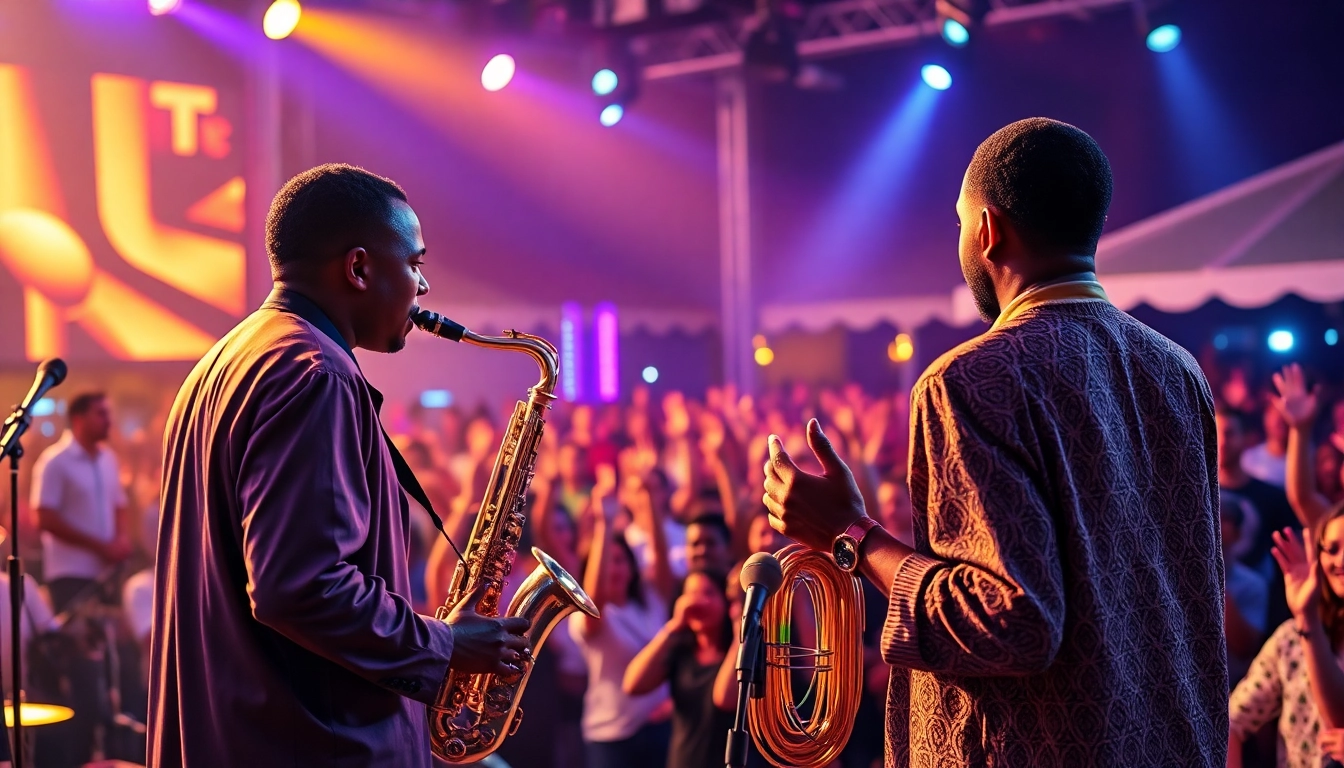
Attending a kora live performance is an immersive experience that transcends mere listening. Audiences can expect to be transported to a world filled with vibrant sounds and narratives. Performances often begin with an introduction to the musician, the significance of the pieces to be played, and sometimes a brief history of the stories behind the music. The atmosphere at these events is typically lively and communal, where audiences are encouraged to clap, sing, or even dance along. The visual aesthetic of the musician, often dressed in colorful traditional attire, adds an enriching layer to the overall experience.
Tips for Engaging with the Music
To fully appreciate kora live music, it’s beneficial to engage actively. Here are some tips:
- Listen Intensively: Focus on the distinct melodies and rhythms. Each pattern, phrase, and note contributes to the overall story.
- Participate: Feel free to clap along or respond during call-and-response segments. This interaction enhances the communal atmosphere.
- Ask Questions: Many performers are happy to share insights about their music, the kora, and the stories they narrate. Don’t hesitate to inquire!
- Explore the Culture: Reading about kora history and its role in West African culture can deepen your understanding and appreciation for the music.
What Makes Kora Live Special
The unique blend of storytelling, cultural heritage, and musical creativity is what sets kora live performances apart from other musical experiences. Unlike many contemporary music forms, kora performances typically emphasize the artist’s connection to their stories and audience. This results in an intimate and engaging atmosphere, where the connection between the performer and audience can feel profoundly personal. It’s not just a performance; it’s a shared journey through music that reinforces cultural values and collective memory.
Integrating Kora Live into Your Life
Learning to Play the Kora
If the enchanting sounds of the kora resonate with you, consider learning to play this beautiful instrument. Many resources are available for aspiring musicians, from online tutorials to in-person lessons. Learning the kora can provide not just a musical outlet but also a deeper understanding of West African culture and its traditions. Beginners should start with the fundamentals, such as basic finger positioning and simple melodies. As you progress, you can explore advanced techniques and eventually incorporate your style into traditional playing. Engaging in kora music can foster creative expression and a sense of achievement.
Supporting Kora Artists and Events
Supporting kora artists and live events can help promote the preservation and evolution of this cultural heritage. Attend local performances, spread the word about musicians you admire, and even purchase their recordings to support their craft. Many artists also host workshops or masterclasses, which are excellent opportunities for immersive learning. By actively participating in and supporting the kora live movement, you contribute to a larger community that values cultural exchange and artistic innovation.
Cultural Exchanges Through Music
Music is a powerful means for cultural exchange, and kora live performances allow diverse audiences to experience West African culture firsthand. Attending such events fosters cross-cultural connections, encouraging dialogue and understanding among different communities. In recent years, collaborations between kora musicians and artists from diverse backgrounds have emerged, resulting in innovative blends of styles and genres. This cross-pollination enriches both the musicians and the audiences, creating contemporary sounds that honor traditional roots while also appealing to modern sensibilities.
Benefits of Kora Live Music Experience
Emotional and Spiritual Benefits
The experience of attending or participating in kora live music can have significant emotional and spiritual benefits. The music’s evocative melodies can evoke deep emotional responses, often leading to catharsis or healing. For many, experiencing live music fosters a sense of belonging and community, reducing feelings of isolation. Furthermore, the intricate rhythms of kora music encourage mindfulness, allowing individuals to become present in the moment, escape daily stressors, and connect with their inner selves.
Building Community Through Kora
Kora live music serves as a catalyst for building community ties. It often brings people together across age groups and cultural backgrounds, fostering interactions that might not otherwise occur. Regular performances create a gathering point for locals, allowing individuals to form friendships and connections. Community events centered around kora music celebrate cultural heritage, create a sense of pride, and build mutual respect among diverse populations. As individuals come together to enjoy live music, they contribute to a shared cultural identity, reinforcing social bonds.
The Future of Kora Music
The future of kora music looks promising as it continues to evolve and adapt to contemporary contexts. With the rise of digital platforms, more musicians can share their work globally, reaching new audiences and fostering cultural appreciation. The fusion of kora with other musical genres—such as jazz, pop, and world music—continues to rise, offering fresh perspectives and innovative sounds. As new generations of musicians emerge, the kora’s legacy as a vehicle for storytelling and cultural expression will endure, ensuring that this beautiful tradition remains vibrant and relevant.