The Importance of Interior Design Dubai
Interior design plays a pivotal role in shaping the functions, aesthetics, and overall experience of indoor spaces. In a vibrant metropolis like Dubai, with its fusion of cultures and rapid development, interior design dubai transcends mere decoration; it reflects lifestyle, values, and aspirations. Understanding its significance is essential for anyone looking to create a living or working environment that resonates with their identity and needs.
Understanding Local Aesthetics
Dubai's interior design landscape is a microcosm of its rich cultural diversity. With influences from Middle Eastern traditions, Mediterranean styles, and contemporary global trends, local aesthetics encapsulate elegance and exoticism. Each project offers a unique opportunity to blend these influences, encouraging designers to explore textures, colors, patterns, and materials that tell a story. For instance, integrating intricate patterns or luxurious fabrics can pay homage to traditional designs while maintaining modern functionality.
Enhancing Functionality and Style
The ultimate goal of interior design is to create spaces that are both functional and aesthetically pleasing. In Dubai, where space is often a premium, clever design thinking can enhance usability without compromising style. Whether maximizing storage in a compact apartment or creating inviting offices that foster collaboration, effective interior design can elevate the overall experience. Designers employ smart layout strategies and choose furniture that suits both purpose and style to achieve this balance.
Creating Personal Sanctuary in Urban Spaces
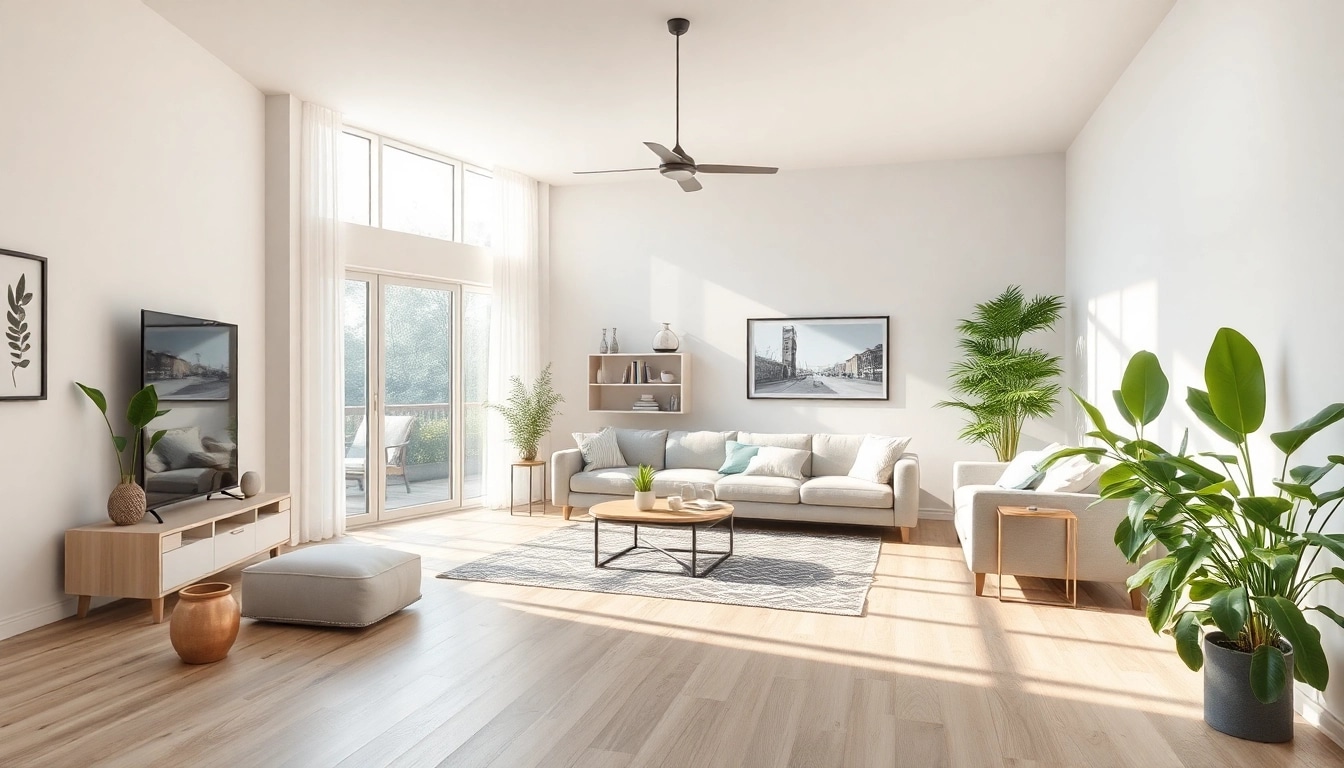
For many, home is a sanctuary from the hustle and bustle of urban life. In cities like Dubai, where the pace can be overwhelming, creating a personal retreat becomes essential. Interior design aids in crafting spaces that evoke tranquility, using calming color palettes, natural materials, and thoughtful layouts. Elements such as cozy nooks, indoor plants, and soothing lighting can transform a house into a warm, inviting home, fostering relaxation and connection.
Trends Shaping Interior Design Dubai
Contemporary vs. Traditional Themes
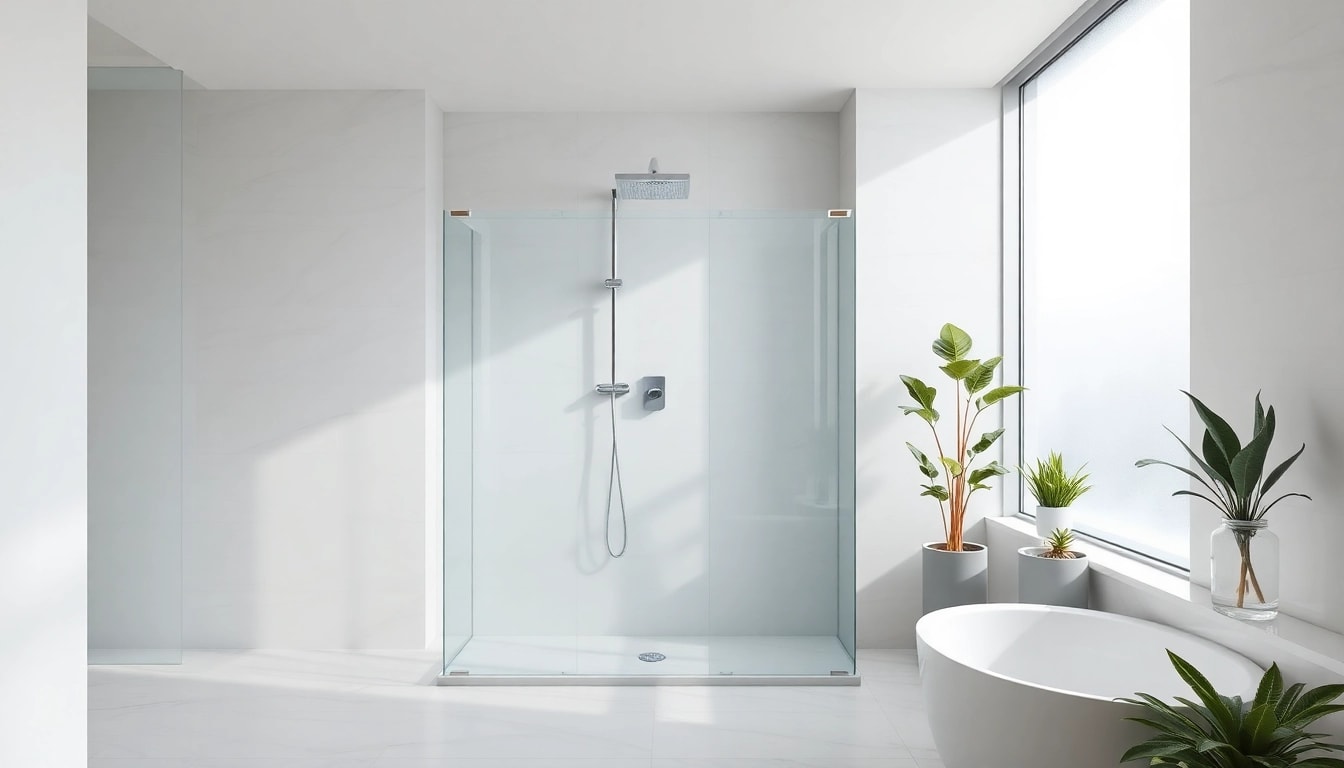
The ongoing dialogue between contemporary and traditional themes is a defining characteristic of Dubai's interior design scene. While contemporary design favors minimalism, open spaces, and a neutral palette, traditional styles often feature rich fabrics, intricate details, and bold colors. This duality allows for diverse expressions. Many designers blend both styles to curate spaces that honor cultural heritage while appealing to a modern audience, employing futuristic designs alongside timeless motifs.
Sustainable Materials in Design
As environmental awareness rises, sustainable materials have become integral in interior design. Dubai's market is increasingly embracing eco-friendly solutions, including reclaimed wood, low-VOC paints, and energy-efficient lighting. Designers are not only focusing on aesthetics but also on the environmental impact of their choices. Sustainable designs often promote healthier living environments and reflect a commitment to corporate social responsibility, appealing to a conscientious clientele eager for greener living spaces.
Smart Home Integration
Smart home technology is revolutionizing how we interact with our living spaces. Integrating smart systems into interior designs enhances convenience, security, and energy efficiency. From smart lighting and automated climate controls to advanced security systems, these technologies can streamline daily routines while adding a touch of luxury. Furthermore, as consumers increasingly seek interconnected solutions, incorporating smart home features ensures that designs remain relevant and functional amidst evolving needs.
Choosing the Right Interior Designer Dubai
Evaluating Experience and Portfolios
Choosing an interior designer involves careful consideration of their experience and portfolio. A thorough review can unveil the designer's unique style and ability to adapt to different project requirements. Potential clients should seek design portfolios that resonate with their vision, showcasing a range of completed projects that highlight versatility and creativity. Engaging in conversations with designers about their approach to challenges can also provide insight into their problem-solving capabilities.
Identifying Your Style
Before embarking on an interior design project, it is crucial for clients to identify their personal style. Are they drawn to modern minimalism, opulent traditional aesthetics, or a fusion of various elements? Understanding one's preferences helps ensure that the final design is not only pleasing but also reflective of the client's personality. By sharing inspiration images and discussing desired outcomes with potential designers, clients can better articulate their vision and establish clearer expectations.
Understanding Budget and Cost Structures
Budgeting is a key consideration in any interior design project. Understanding the cost structures involved, including design fees, materials, and labor, can help clients make informed decisions. Set realistic budgets that align with desired outcomes while maintaining flexibility for potential changes. A transparent conversation with the designer about financial constraints fosters a collaborative process, enabling designers to propose solutions that maximize value without compromising quality.
Steps to a Successful Interior Design Dubai Project
Initial Consultation and Concept Development
The initial consultation sets the tone for the entire interior design project. This meeting allows the designer to understand the client’s vision, needs, and lifestyle. Following this, concept development involves creating mood boards, color schemes, and initial layout proposals to visualize the desired outcome. Client input during this phase is critical, as it allows for the refinement of the concept, ensuring alignment with the client’s expectations and needs.
Design Implementation and Supervision
Once the design concept is finalized, the implementation phase begins. This stage includes sourcing materials, coordinating subcontractors, and supervising the entire process to ensure adherence to the proposed design. Effective communication between the designer and client remains crucial during implementation, addressing any challenges that may arise and ensuring that solutions align with the initial vision. Regular updates help maintain momentum and build trust between parties.
Final Touches and Client Feedback
The concluding phase of an interior design project involves incorporating final touches, such as artwork, decorative elements, and furniture arrangement. Client feedback during this stage is invaluable, as it helps designers make last-minute adjustments to achieve the desired atmosphere. An accessible post-project evaluation allows clients to share their thoughts on the process and outcome, setting the groundwork for future collaborations and establishing a constructive dialogue for improvement.
FAQs About Interior Design Dubai
What is the average cost of interior design in Dubai?
Average costs vary, typically ranging from AED 25,000 to AED 60,000 for apartments and AED 80,000 to AED 250,000+ for villas, influenced by size and complexity.
How do I choose an interior designer?
Evaluate portfolios, align styles, and consider references. Look for clear communication and a structured project approach to ensure alignment with your vision.
What are popular interior design styles in Dubai?
Contemporary and traditional Middle-Eastern styles are popular, featuring luxurious materials and vibrant color palettes that resonate with Dubai's unique culture.
Is interior design necessary for homes?
While not mandatory, professional interior design enhances both aesthetics and functionality, making spaces more enjoyable and reflective of personal identity.
How long does an interior design project take?
Project timelines vary based on complexity, typically spanning a few weeks to several months. Pre-planning can influence the overall duration significantly.