Introduction to Milton Colonial Addition Renovation
The Milton Colonial Addition Renovation is a fascinating project that captures the essence of traditional colonial architecture while meeting modern living standards. Renovating or adding onto a colonial home involves an in-depth understanding of architectural history, design aesthetics, and practical living needs. This article will delve into what constitutes a colonial addition, the specific features that characterize them, and the renovation process, providing aspiring homeowners and renovators with a comprehensive guide to achieving stunning results.
What is a Colonial Addition?
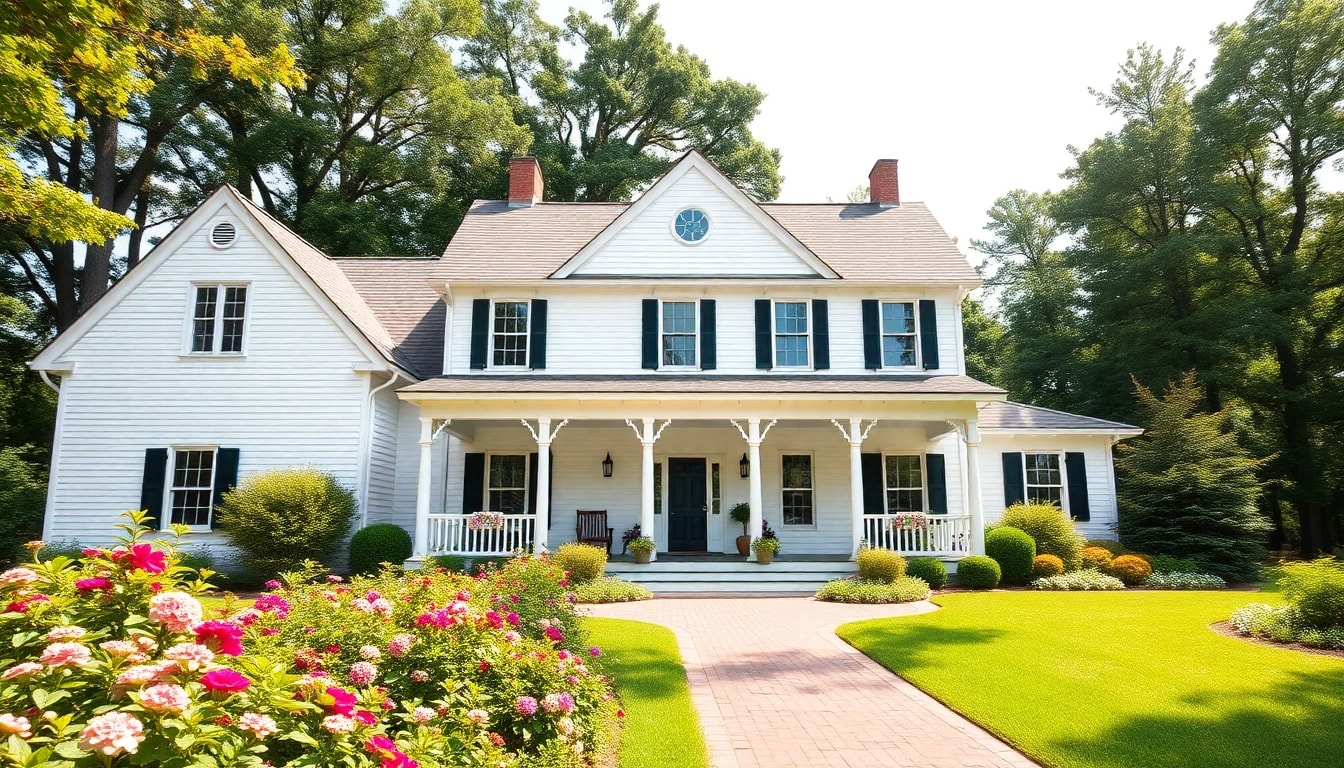
A colonial addition refers to an extension or enhancement made to a colonial-style home—typically characterized by symmetrical facades, gabled roofs, and classic detailing. These additions maintain the historic charm of the original structure while improving functionality and even increasing property value. They can range from simple room extensions to elaborate multi-story projects that reflect colonial-era design principles.
Why Choose Colonial Style for Renovation?
The colonial style is timeless, offering a blend of elegance and practicality. Choosing this style for renovation is not only about aesthetics; it also speaks to a broader appreciation for architectural heritage. The classic designs lend themselves well to family-oriented layouts and are often equipped to handle the integration of modern amenities without compromising on character. They not only preserve the history of a residence but also resonate with buyers looking for unique, well-crafted homes.
Overview of the Renovation Process
The renovation of a colonial home typically follows a structured process that includes planning, design, and construction. Homeowners should start by conducting a feasibility study to assess the structural integrity of their existing property and the specific needs for expansion. This often involves working with architects specialized in colonial designs, who can ensure that new elements harmonize with the original structure. The renovation process frequently includes phases such as budgeting, obtaining permits, selecting materials, and ultimately, construction and finishing.
Key Features of Milton Colonial Additions
Architectural Elements to Embrace
When embarking on a Milton Colonial Addition Renovation, embracing specific architectural features is critical. Some quintessential elements include:
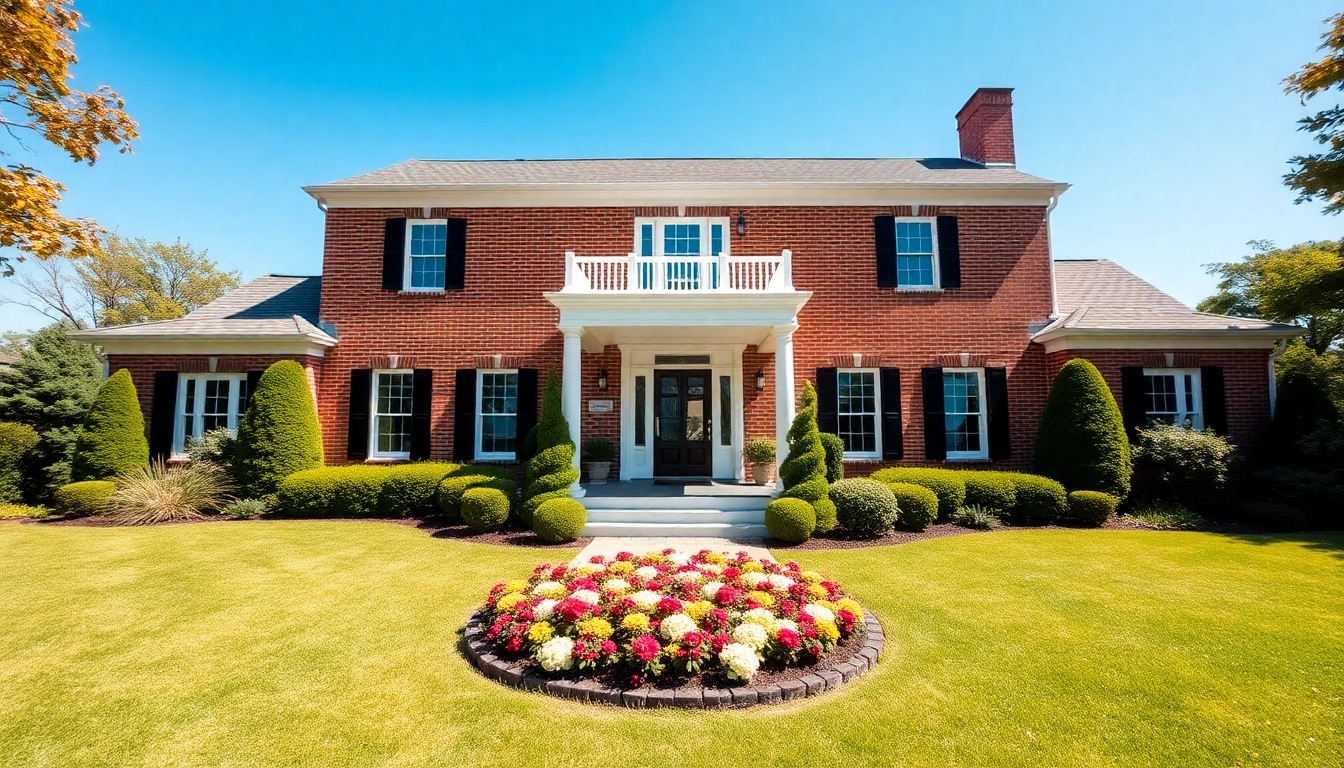
- Symmetry: Colonial homes are characterized by balanced proportions and aligned windows and doors.
- Classic Trim: Mouldings and trim work often feature intricate designs that enhance visual appeal.
- Gabled Roofs: These roofs create a striking silhouette and are a fundamental design element of colonial architecture.
- Brick and Wood Siding: Traditional materials help reinforce the home’s historical charm while ensuring durability.
Choosing the Right Materials
Material selection is pivotal in achieving authenticity in a colonial renovation. Homeowners are encouraged to select high-quality materials that mimic the original architecture. For instance, natural wood siding, win-dows with grid patterns, and brickwork should match existing structures. Modern alternatives may offer greater durability or energy efficiency but should be scrutinized for their compatibility with the colonial aesthetic.
Color Schemes and Finishing Touches
Color palettes for a colonial addition typically draw inspiration from nature and historical palettes. Creams, pastels, and muted tones evoke the period’s charm, while deeper shades can accentuate architectural features. Finishing touches like period-appropriate hardware, shutters, and landscaping can significantly enhance exterior aesthetics, providing a seamless blend between old and new.
Planning Your Renovation Project
Setting a Budget for Your Milton Colonial Addition Renovation
Every successful project begins with a well-defined budget. Determining renovation costs is crucial and should encompass labor, materials, permits, and possible unforeseen expenses. It is wise to set aside a contingency fund—often 10-20% of the total budget—to cover any unexpected issues that may arise during the renovation process.
Engaging with Architects and Designers
Investing in professional design services is a crucial step for any renovation project. Architects specializing in colonial styles can provide invaluable insights, ensuring that your addition respects the historical context while fulfilling modern requirements. Engaging with designers can help streamline the process, from initial concepts to working drawings, ultimately ensuring both beauty and functionality.
Timelines for Successful Renovation
A realistic timeline is essential for achieving effective renovation outcomes. Depending on the project's scope, timelines can vary significantly. Simple additions may be completed in a few months, while more extensive renovations might take up to a year or more. Breaking down the project into phases, each with its own timeline, helps keep the renovation organized and on track.
Challenges in Colonial Renovations
Typical Issues and Solutions
Colonial renovations come with their unique challenges, including structural integrity concerns and the need for modern systems. Homeowners may encounter outdated wiring, plumbing, or insulation that requires updating. A thorough assessment during the planning phase can help identify these issues early on. Solutions may involve retrofitting with modern materials while preserving the home’s historical essence, ensuring both safety and aesthetics.
Understanding Local Regulations
Before undertaking a renovation, be sure to familiarize yourself with local building codes and regulations. These laws can dictate everything from zoning requirements to construction standards. Engaging an architect or local contractor who is well-versed in such regulations can prevent costly setbacks and ensure compliance every step of the way.
Maintaining Historical Integrity
One of the most significant challenges in colonial renovations is maintaining the home's historical integrity. Each modification should enhance the home’s character rather than detract from it. Implementing restoration techniques and using historically accurate materials can help ensure that modern updates coexist harmoniously with the structure's original features.
Conclusion and Future Insights
The Benefits of Investing in Renovation
Investing in a Milton Colonial Addition Renovation yields numerous benefits, both practical and aesthetic. It not only enhances living space and improves home functionality but also increases property value. When done thoughtfully, renovations can revive historic charm whilst creating a comfortable, modern living environment.
Looking Ahead: Trends in Colonial Additions
As homeowners pursue renovations, trends continue to evolve, emphasizing sustainability and energy efficiency. Utilizing eco-friendly materials and smart home systems can significantly enhance the functionality of colonial additions. As technology and design merge, the future of colonial renovations looks promising, prioritizing comfort, sustainability, and historical preservation.
FAQs about Milton Colonial Addition Renovation
What is the average cost for a colonial addition renovation?
The cost can vary widely depending on project size and complexity but typically ranges from $100 to $400 per square foot.
How long does a typical colonial addition renovation take?
Timelines depend on the project's scale; smaller additions may take a few months, while extensive renovations might last up to a year.
Are there specific permits required for colonial renovations?
Yes, local building permits are often necessary, and homeowners should check with local authorities for specific requirements.
Can I maintain historical features in my addition?
Yes, skilled architects can help integrate historical features with modern amenities, preserving the home’s character.
What should I consider when hiring a contractor for my renovation?
Look for contractors experienced in historical renovations, with positive reviews and a portfolio showcasing their work.