Introduction to Fashion Trends
Fashion is a dynamic reflection of our collective identity, manifesting through clothing styles, accessories, and cultural expressions. As people adapt to changing environments and cultural shifts, Fashion evolves, symbolizing individuality and widely accepted trends.
Understanding Fashion Trends and Their Impact
Fashion trends constantly shift, influenced by various factors such as cultural movements, celebrity endorsements, technological advancements, and social media. These trends go beyond mere aesthetics; they shape personal identity and create social connections. Understanding how trends evolve helps individuals and brands navigate the ever-changing landscape of style.
The Evolution of Fashion Over Decades
Fashion has transformed dramatically over the decades. From the flapper dresses of the 1920s to the bold silhouettes of the 1980s and the minimalist styles of the 1990s, each era reflects its socio-political context. Today, we witness a blending of styles, with influences from past decades coexisting alongside contemporary innovations, showcasing history's impact on current tastes.
Current Influences on Fashion Trends
Several key factors influence today's fashion trends, including:
- Cultural Diversity: Globalization has led to the cross-pollination of cultural styles, resulting in unique hybrid fashions.
- Technology: The digital age offers a platform for rapid trend dissemination, with social media dictating styles based on viral moments.
- Celebrity Influence: Celebrities and influencers play a pivotal role in shaping trends, often launching clothing lines or collaborating with brands.
- Consumer Awareness: Today’s consumers are more conscious of ethical practices, prompting brands to prioritize sustainability in their designs.
Key Trends in Women’s Fashion
Must-Have Wardrobe Staples in Fashion
Every woman’s wardrobe needs a foundational set of staples which include:
- Classic White Shirt: A versatile piece that can be dressed up or down.
- Skinny Jeans: Timeless and flattering, suitable for multiple occasions.
- Little Black Dress: Essential for formal events, exuding elegance and simplicity.
- Comfortable Sneakers: Adapting to the casual chic trend while maintaining comfort.
- Structured Blazer: Elevates any outfit with a tailored look.
Popular Fabrics and Patterns in Current Fashion
Fabrics and patterns significantly enhance the appeal of fashion items. Some trends include:
- Eco-friendly Fabrics: Sustainable materials like organic cotton and recycled fabrics are gaining popularity due to their minimal environmental impact.
- Florals: These are re-emerging as timeless patterns, representing femininity and tranquility.
- Animal Prints: Bold patterns that continue to make a statement in various styles.
- Plaid: A classic print that transcends seasons and trends.
How to Personalize Your Fashion Style
Personalizing fashion involves blending personal preferences with current trends. Here are some methods to cultivate a unique style:
- Experiment: Try various outfits to see what resonates personally.
- Accessorize: Use unique accessories to add character to any outfit.
- Mix and Match: Combine different styles, patterns, and textures to create fresh looks.
- Stay True to Yourself: Follow trends that match your personality and comfort.
Notable Fashion Events and Their Significance
Coverage of Major Fashion Weeks
Fashion Weeks across the globe serve as pivotal events for the industry, showcasing upcoming collections. Notable cities include Paris, Milan, New York, and London. These events not only highlight designers' creativity but also set industry standards while influencing retail trends for the forthcoming season.
Impact of Celebrity Styles on Current Fashion
Celebrity fashion choices often dictate trends. Icons and influencers regularly showcase personal styles that fandoms adopt. Awards shows and red-carpet events amplify these styles, creating buzz and demand within the fashion market. Social media fuels this further, enabling fans to replicate looks easily.
The Role of Social Media in Fashion Marketing
Social media is now integral to fashion marketing. Platforms like Instagram, TikTok, and Pinterest facilitate real-time engagement and provide avenues for brands to showcase their products. Influencers often set trends, while user-generated content drives authenticity and relatability in marketing strategies.
Sustainable Fashion: The Future of Style
What Is Sustainable Fashion?
Sustainable fashion advocates for environmentally friendly practices in clothing production and consumption. This involves minimizing waste, utilizing eco-friendly materials, and promoting fair labor practices. The movement aims to create a more conscientious approach where style does not come at the expense of the planet.
Eco-friendly Fabrics and Innovations
Innovative materials are revolutionizing the fashion industry. Noteworthy examples include:
- Organic Cotton: Grown without harmful chemicals, ensuring a safer environmental impact.
- Bamboo Fabric: Made from renewable resources, providing a sustainable alternative to traditional textiles.
- Recycled Materials: Fabrics derived from post-consumer waste, helping reduce landfill contributions.
How to Make Sustainable Fashion Choices
Here are practical steps to embrace sustainable fashion:
- Educate Yourself: Understand the implications of your clothing choices.
- Invest in Quality: Opt for fewer, high-quality pieces that last longer.
- Choose Second-hand: Thrift shopping prolongs the lifecycle of clothing.
- Support Sustainable Brands: Patronize companies that prioritize ethical practices.
Fashion Around the World: Cultural Influences
Global Fashion Trends and Their Origins
Cultural diversity profoundly impacts global fashion trends. Each country reflects its heritage, with traditional garments influencing contemporary styles. For example, vibrant patterns from African textiles or intricate motifs from Asian designs enrich global fashion narratives.
How Culture Shapes Fashion Styles
Culture influences not only patterns but also the way clothing is perceived and wore. Understanding cultural contexts enhances appreciation for fashion, as traditional garments often carry historical and cultural significance, inviting deeper respect for diverse practices.
Celebrating Diversity in Fashion
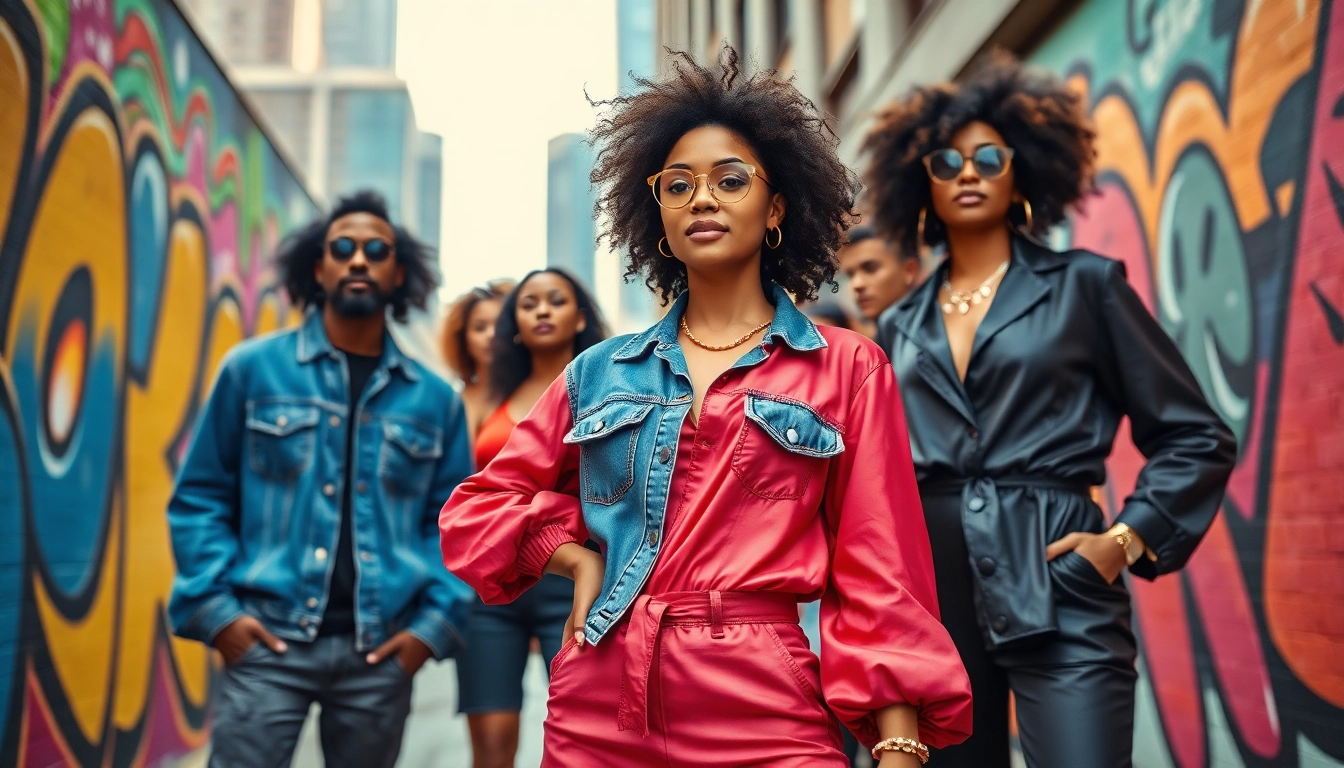
Fashion thrives on diversity. The industry is increasingly recognizing the importance of inclusivity, celebrating various body types, ethnicities, and gender identities. Campaigns promoting diversity aim to challenge conventional beauty standards and redefine what is considered 'fashionable'.
FAQs about Fashion Trends
What does fashion mean?
Fashion refers to how individuals express themselves through clothing, accessories, and styles, often reflecting cultural aesthetics and personal values.
Who are the current influencers in fashion?
Fashion influencers range from designers to social media personalities, impacting trends with their unique styles and influential online presence.
What are the latest trends in fashion?
Current trends include oversized silhouettes, sustainable fabrics, and bold colors, emphasizing comfort and individuality.
How can I stay updated on fashion trends?
Stay informed by following fashion blogs, magazines, and social media accounts showcasing the latest styles and trends.
Why is fashion important?
Fashion enables self-expression, creativity, and cultural representation, playing a critical role in shaping individual and collective identities.