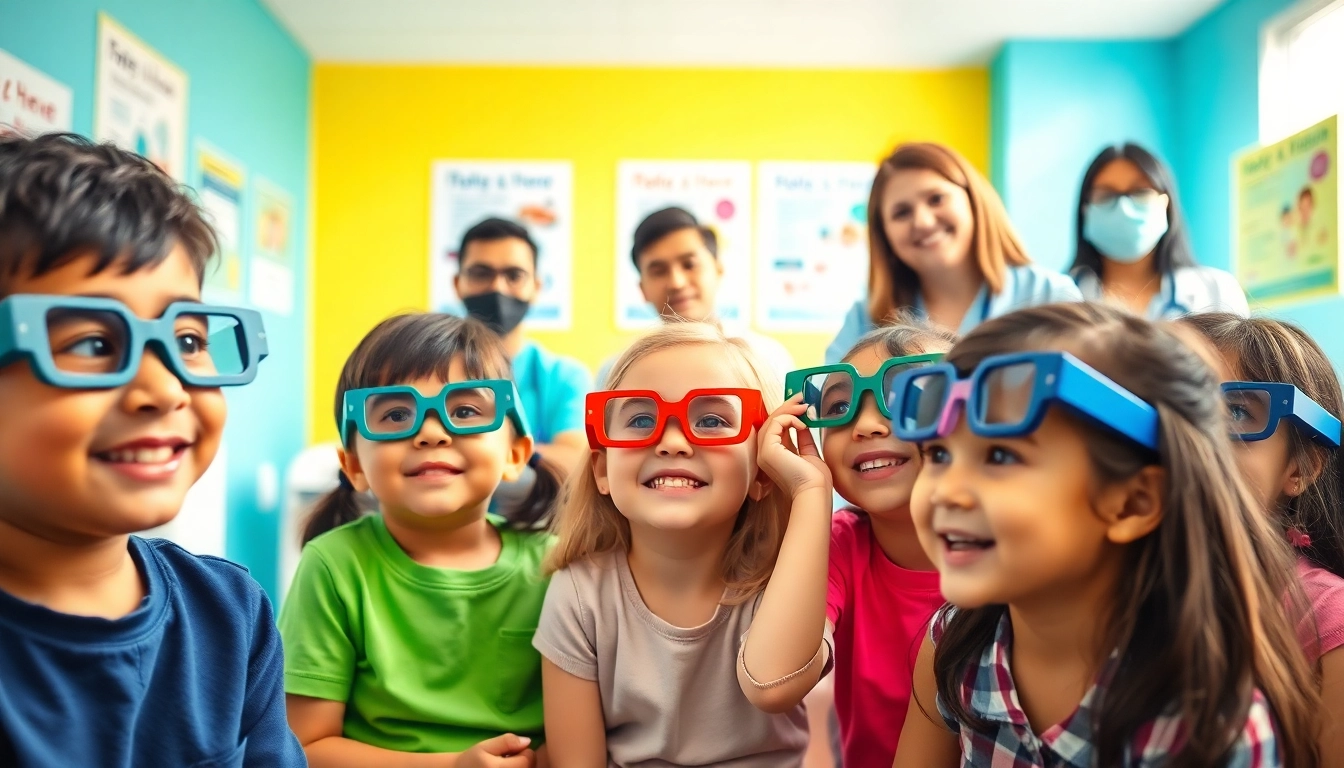
Understanding Our Children's Vision: Importance and Impact
Vision plays an essential role in child development, impacting nearly every aspect of learning, social interaction, and physical activity. Ensuring that children have access to adequate eye health services is critical for their overall growth and well-being. Unfortunately, many children worldwide suffer from vision impairments due to a lack of access to essential eye care services. This highlights the urgent need for initiatives like Our Children's Vision, which aims to address gaps in pediatric eye health and promote accessible care for all children.
The Role of Vision in Child Development
The development of vision is a fundamental component of early childhood growth. Good vision is crucial for learning and engaging with the world. Studies have shown that children with uncorrected vision problems may struggle in academic settings, exhibiting lower performance in reading and mathematics. Vision influences fine motor skills, eye-hand coordination, and social interactions, accounting for up to 80% of learning in the early years. Thus, undiagnosed or untreated vision problems can lead to a cascade of developmental disadvantages.
Challenges Facing Children's Eye Health
Despite the known importance of vision care, numerous obstacles remain in providing adequate eye health services to children globally. Some of the primary challenges include:
- Lack of Awareness: Many parents and caregivers are unaware of the significance of regular eye exams for children. This lack of knowledge can lead to children not receiving timely assessments and corrections for vision issues.
- Geographical Barriers: In rural or underserved areas, access to eye care professionals can be limited. Families may have to travel long distances to obtain eye care, which can deter regular visits.
- Financial Constraints: The cost associated with eye care—including exams, corrective lenses, or treatments—can be prohibitive for low-income families.
- Policy Gaps: In some regions, policies supporting preventive eye care for children are inadequate, resulting in a lack of systemic support for eye health initiatives.
Global Initiatives Supporting Our Children's Vision
To combat the challenges facing children's eye health, several global initiatives strive to increase awareness and access to eye care services. Organizations engage with policymakers to create supportive frameworks for child eye health, develop educational materials for families and schools, and provide training for eye care practitioners. Collaborative efforts across various sectors, including healthcare, education, and community organizations, play a vital role in advancing the goals set out by movements like Our Children's Vision.
Identifying Eye Health Issues: Symptoms and Screening
Recognizing vision problems early can significantly alter the trajectory of a child's development. Regular screenings and awareness of symptoms associated with poor eye health are crucial steps in safeguarding children's vision.
Common Vision Problems in Children
Children can experience a range of vision problems, including but not limited to:
- Myopia (Nearsightedness): A condition where distant objects appear blurry, often requiring corrective lenses.
- Hyperopia (Farsightedness): In this condition, nearby objects appear blurry, which can impact reading and writing.
- Astigmatism: A common refractive error that causes blurred vision at various distances, resulting from an uneven curvature of the cornea.
- Strabismus: Misalignment of the eyes, where one eye may turn in or out while the other eye looks straight ahead. This condition can lead to amblyopia (lazy eye) if not addressed.
- Amblyopia: A failure of one eye to achieve normal visual acuity, often requiring specific treatment methods such as patching the stronger eye.
Recognizing Signs of Poor Eye Health
Parents and caregivers should be vigilant for signs that may indicate a child's vision problems. Some common indicators include:
- Consistently squinting or closing one eye to see better
- Frequent headaches or eye strain
- Difficulty with reading or skipping lines
- Excessive rubbing of the eyes
- Difficulty seeing objects at a distance
The Importance of Regular Screenings for Our Children's Vision
Regular vision screenings are a critical part of maintaining eye health in children. The American Academy of Pediatrics recommends that children have their first eye exam at six months of age, followed by additional screenings at ages three and five. School-age children should receive yearly vision checks, particularly those entering kindergarten or first grade. Early detection through screenings can lead to successful interventions and improved developmental outcomes.
Effective Strategies for Promoting Eye Health
Promoting eye health for children involves concerted efforts from families, schools, and communities. Here are effective strategies to ensure that children's vision receives the attention it deserves.
Creating a Supportive Environment for Eye Care
Creating an environment conducive to healthy eye development includes several practical steps:
- Ensure that children spend ample time outdoors. Research indicates that spending time outside can significantly reduce the risk of developing myopia.
- Encourage proper screen time habits. Limiting exposure to screens and ensuring regular breaks can help mitigate issues associated with prolonged screen use.
- Provide a balanced diet rich in vitamins and nutrients that foster eye health, such as omega-3 fatty acids, vitamins A, C, and E, and minerals like zinc.
Incorporating Eye Health Education into Schools
Integrating eye health education into school curricula can empower children to take charge of their eye care. Schools can play a vital role by:
- Hosting interactive workshops that teach the importance of vision care.
- Incorporating vision health into science and health classes to raise awareness.
- Establishing partnerships with local eye care providers to offer on-site vision screenings.
Community Involvement for Our Children's Vision Initiatives
Communities should actively support initiatives that promote eye health. Strategies include:
- Calling for local events that promote vision awareness and provide free screenings.
- Engaging local businesses to participate in fundraising campaigns for eye health initiatives.
- Creating awareness campaigns that emphasize the importance of regular eye exams and healthy vision practices among families.
Advocating for Policy Changes in Pediatric Eye Care
Long-term improvements in children's eye health often depend on significant policy changes that remove barriers to accessing services and resources. Advocating for these changes means bringing together stakeholders from various sectors.
The Need for Improved Access to Eye Care Services
Improved access to eye care services is fundamental for developing effective systemic changes. Strategies might include:
- Advocating for policy revisions that enable free or subsidized eye examinations and treatments for low-income families.
- pushing for legislative action that mandates comprehensive vision screenings in schools.
- Establishing telemedicine services to reach underserved populations, particularly in rural areas.
Collaborating with Healthcare Professionals
Collaboration among healthcare providers is key to ensuring that eye care is integrated into overall child health services. This collaboration can involve:
- Health professionals working together to establish best practices for referrals and follow-ups.
- Developing interdisciplinary training programs for pediatricians and eye care specialists to identify and treat vision problems effectively.
- Facilitating workshops for parents about the importance of eye health, delivered by both pediatricians and eye care specialists.
Advocacy Efforts Supporting Our Children's Vision
Active advocacy can yield significant changes in how child eye health is approached. By developing campaigns to inform the public and influence policymakers, community organizers can help shape the future of eye care for children. Some actionable steps include:
- Creating informative materials that illustrate the importance of children's vision care, targeting both parents and educators.
- Engaging influential community leaders to champion the cause, thereby raising the profile of eye health initiatives.
- Utilizing social media platforms to build awareness and share success stories related to children's eye health.
Measuring Success: Outcomes and Future Directions
Evaluating the effectiveness of eye health initiatives is crucial for long-term success. This includes measuring the impact of programs and understanding the future directions that can make a difference in children's eye care.
Evaluating the Impact of Eye Health Programs
Metrics should be established to assess the success of eye health initiatives. These can include:
- The number of children who receive regular eye exams compared to previous years.
- Improvements in academic performance linked to early detection and treatment of vision issues.
- Reduction in the prevalence of uncorrected vision problems within targeted populations.
Testimonials from Families and Children
Personal stories can provide valuable insights into the effectiveness of programs. Testimonials from families who have benefited from initiatives like Our Children's Vision can inspire others to seek care and support. Documenting these stories can also help showcase the importance of continued investment in children’s eye health.
Future Goals for Our Children's Vision Initiatives
The future of children's vision care hinges on continued innovation and collaboration. Future goals may include:
- Expanding outreach efforts to ensure even more children receive eye exams.
- Developing new technology to facilitate remote assessments and consultations.
- Advancing research on the impact of environmental factors on children's vision to inform future initiatives.
Through coordinated efforts among communities, healthcare providers, and advocacy groups, initiatives like Our Children's Vision can help secure a brighter future for children's eye health. Ensuring access to vision care is not just an individual responsibility but a collective endeavor that ensures every child can thrive through the gift of good vision.