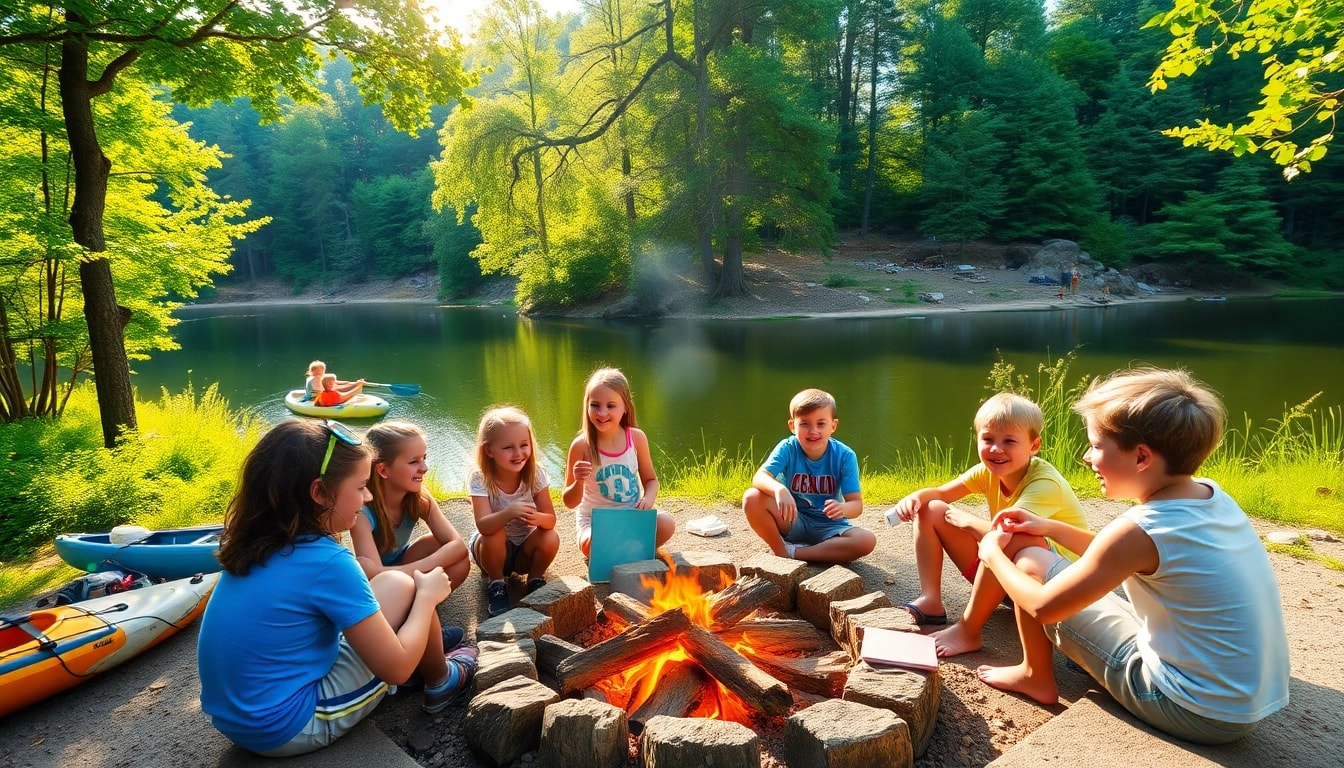
Understanding Niche Hobbies
Definition and Characteristics of Niche Hobbies
Niche hobbies are specialized activities that cater to specific interests, often diverging from mainstream hobbies. They encompass a wide range of pursuits that might not attract mass popularity but provide significant joy and satisfaction to their enthusiasts. The defining characteristic of niche hobbies is that they cater specifically to intricate interests, often requiring unique materials or skills, and allow individuals to express their creativity and personal passions. Examples can range from model railroading to knife making, or from embroidery to stargazing.
The Benefits of Engaging in Niche Hobbies
Engaging in niche hobbies offers numerous benefits that extend beyond simple enjoyment. Firstly, they promote personal growth; individuals often acquire new skills, enhancing their creativity and problem-solving abilities. Furthermore, niche hobbies can significantly contribute to mental health, providing a necessary escape from daily stresses and fostering a sense of achievement. Additionally, they allow for the exploration of unique passions, building self-esteem and confidence. The deep engagement with a hobby can also enhance social interactions as enthusiasts often seek out communities where they can share their interests. For those looking to discover their own unique pursuits, exploring Niche hobbies can be an exciting venture.
Common Misconceptions About Niche Hobbies
Despite their multifaceted benefits, niche hobbies are often misunderstood. One common misconception is that they are unproductive or less valuable than mainstream hobbies. This belief ignores the fact that many niche hobbies can lead to the development of valuable skills or even entrepreneurial ventures. Additionally, there is a stereotype that niche hobbies are only for certain types of people, which fails to recognize the growing diversity among enthusiasts. Lastly, some believe that niche hobbies are costly or require excessive time commitments; however, many can be pursued with minimal resources and time investment.
Popular Types of Niche Hobbies
Artistic and Creative Niche Hobbies
Artistic and creative hobbies provide an outlet for self-expression and innovation, making them immensely fulfilling for many individuals. Creative pursuits such as pottery, photography, and painting allow hobbyists to not only hone their artistic skills but also connect with others in similar fields. Unique forms of art like resin crafting or reverse glass painting have gained popularity, introducing enthusiasts to the joys of creating tangible beauty. They not only encourage creative thought but also nurture mindfulness as individuals immerse themselves in their craft.
Outdoor and Adventure-Focused Niche Hobbies
Outdoor hobbies often entice individuals who seek physical activity combined with a love for nature. Niche pursuits such as geocaching, mushroom foraging, or river tracing provide thrilling adventures while fostering a deeper appreciation for the environment. The sense of discovery and exploration that comes with these hobbies can be invigorating. Engaging in activities like rock climbing or mountain biking also promotes physical health, allowing individuals to enjoy the great outdoors while building physical strength and endurance.
Technological and Intellectual Niche Hobbies
As technology continues to evolve, a plethora of intellectual pursuits have emerged. Activities like coding, 3D printing, and amateur astronomy appeal to those with analytical mindsets. Engaging in these hobbies fosters critical thinking, sharpens problem-solving skills, and can even lead to career opportunities in tech industries. Many enthusiasts also pursue niche interests like drone piloting, which merges creativity with technical skills, pushing the boundaries of what individuals can create and explore.
Finding Your Ideal Niche Hobby
Assessing Your Interests and Skills
Finding the perfect niche hobby begins with self-reflection. Consider your interests: what excites you? What activities have you enjoyed in the past? Assess your skills—are there talents you want to develop further? Creating a list can help you visualize potential hobbies and encourage exploration beyond your comfort zone. It’s equally vital to remain open-minded about hobbies that might lead to unanticipated joy and fulfillment.
Resources for Discovering New Hobbies
Today’s digital age offers countless resources to discover new hobbies. Websites, forums, and blogs are treasure troves of information where individuals can explore niche hobbies. Platforms such as Pinterest and Reddit host vibrant communities that share insights, tutorials, and inspiration. Furthermore, local community centers often facilitate hobby clubs or classes where individuals can meet others and learn new skills. Exploring these resources can significantly broaden your horizon.
Joining Communities and Networking
Networking with fellow hobbyists can enrich your experience significantly. Online forums, social media groups, and local clubs allow enthusiasts to share experiences, seek advice, and collaborate on projects. Connecting with like-minded individuals enhances motivation and provides a support system for challenges faced along the way. Many niche hobbies have dedicated conventions or meetups, offering a unique opportunity to build friendships while also deepening your knowledge and enjoyment.
Getting Started with Niche Hobbies
Essential Tools and Materials
Starting a niche hobby often requires specific tools or materials. Conduct thorough research to understand what is needed; this will help avoid unnecessary expenses. Some hobbies might require only minimal investment (e.g., drawing), while others may involve more significant purchases (e.g., woodworking). To save costs, consider joining groups where members can share or lend equipment. Starting slowly and building your toolkit over time can make the process less daunting.
Time Management for Hobbyists
Time management is crucial, especially for those balancing a hobby with other commitments. Setting aside dedicated time each week can ensure you remain engaged with your hobby without feeling overwhelmed. Consider maintaining a schedule or setting goals for what you want to accomplish in each session, whether it’s learning a new technique or completing a project. Consistency, rather than quantity, is often key to making progress.
Setting Goals for Your Progress
Establishing clear goals can provide direction and motivation in your niche hobby. Goals can range from simple aims, like mastering a specific technique, to bigger milestones, such as completing a large project. Keeping track of progress, whether by taking photos, maintaining a journal, or sharing updates with friends, increases accountability and reinforces a sense of achievement. Celebrate small victories along the way to maintain enthusiasm for your hobby.
FAQs on Niche Hobbies
What is the most unusual niche hobby?
Unusual niche hobbies vary widely and can include activities like extreme ironing, competitive duck herding, or collecting rare board games. Each offers a unique experience and community.
How can niche hobbies benefit mental health?
Niche hobbies promote mindfulness, reduce stress, and offer creative outlets that enhance overall well-being. They provide a sense of purpose and joy, which positively affects mental health.
Are there niche hobbies for older adults?
Absolutely! Niche hobbies such as gardening, knitting, or birdwatching are excellent for older adults, offering relaxation and a chance to engage with a community of like-minded individuals.
How can I connect with others who share my niche hobby?
Joining online forums, local clubs, or social media groups dedicated to specific hobbies is a great way to meet like-minded individuals and share experiences.
Can niche hobbies be turned into a business?
Yes! Many individuals successfully monetize their niche hobbies, from crafting handmade goods to offering workshops or consulting services. This can transform passions into profitable ventures.