Understanding the Role of a Flexible Wire Manufacturer
Definition and Importance
Flexible wire manufacturers play a crucial role in various industries, providing essential products that facilitate electrical connections and interconnectivity in a myriad of applications. From automotive to aerospace, the versatility of flexible wire allows for detailed wiring configurations that can withstand dynamic conditions. As a Flexible Wire Manufacturer, maintaining product integrity while meeting strict industry standards is paramount.
Key Applications of Flexible Wire
Flexible wires find applications across multiple sectors, including:
- Automotive: Flexible wires are extensively used in vehicles for wiring harnesses, sensors, and lighting systems.
- Consumer Electronics: Devices such as smartphones and laptops rely on flexible wires for seamless operation and connectivity.
- Healthcare: Medical devices utilize flexible wiring to ensure precise functionality in challenging environments.
- Aerospace: Rigid and flexible wire variations are essential for reliable operation in aircraft systems.
- Industrial Automation: Machines equipped with flexible wires enhance adaptability and efficiency in manufacturing environments.
Industry Trends Influencing Manufacturers
Several trends are shaping the flexible wire manufacturing landscape, including:
- Technological Advancements: The integration of smart technologies in production processes is becoming more prevalent.
- Sustainability Concerns: There's a rising demand for eco-friendly materials and manufacturing methods that reduce environmental impact.
- Customization: Customers are seeking tailored wire solutions that meet specific functionality and aesthetic requirements.
Essential Manufacturing Processes for Flexible Wire
Raw Materials and Their Properties
The choice of raw materials is critical in flexible wire production. Among the commonly used materials are:
- Copper: Known for its excellent conductivity and flexibility, copper is the primary material in many wire applications.
- Aluminum: Lightweight and cost-effective, aluminum is also gaining acceptance, especially in automotive applications.
- Insulation Materials: Various polymers, such as PVC, Teflon, and silicone, are used to insulate wires, providing durability and resistance to environmental factors.
Wire Production Techniques
The manufacturing process for flexible wire typically involves the following steps:
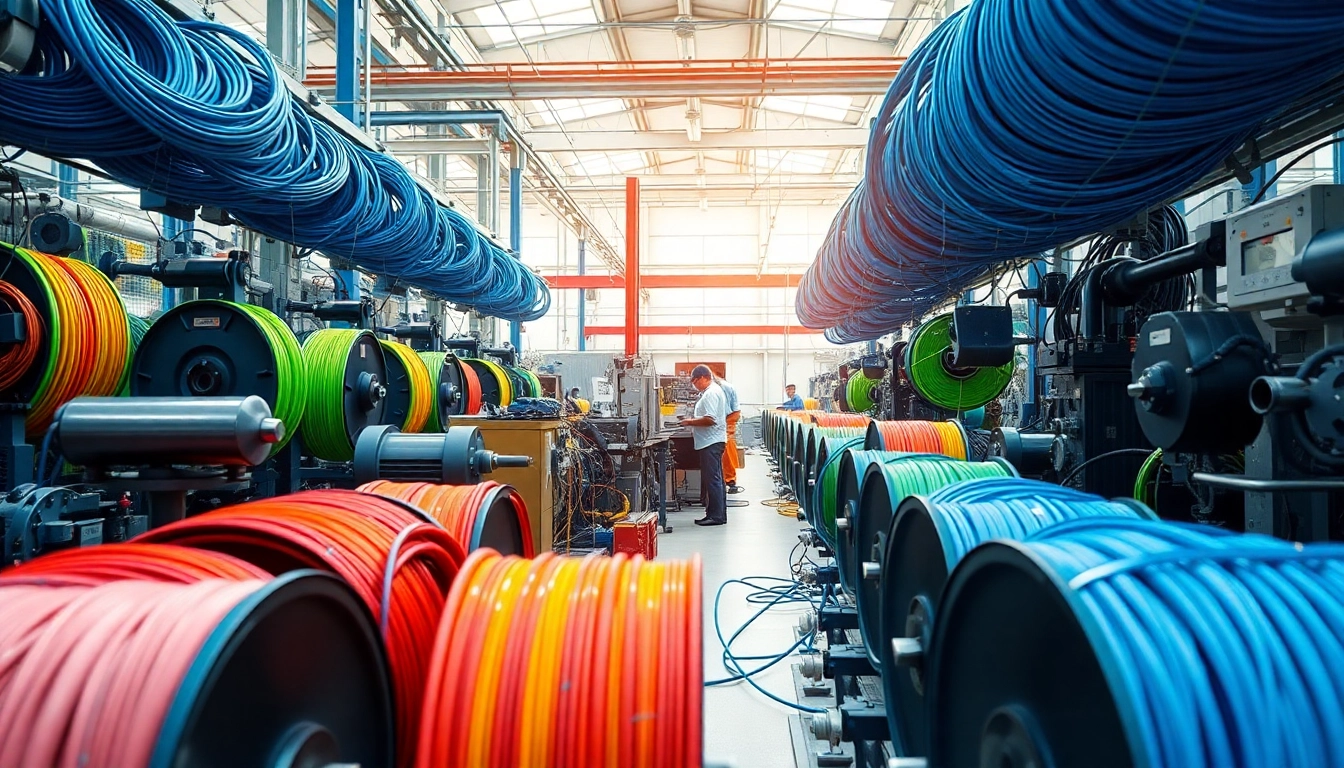
- Drawing: Raw materials are drawn into thin strands to achieve the desired diameter.
- Stranding: Individual wires are twisted together to create strands that enhance flexibility and strength.
- Insulating: Strands are coated with insulating materials to prevent electrical conductivity from interference.
- Testing: Quality control tests are conducted to verify performance against established standards.
Quality Control Measures
Quality control is vital in ensuring the reliability of flexible wires. Key measures include:
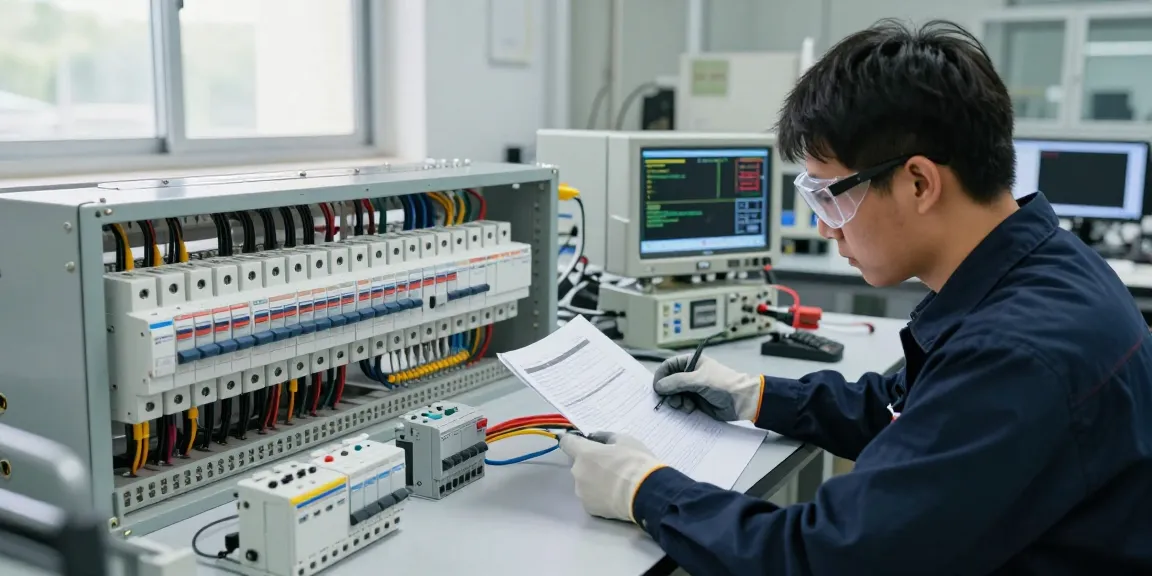
- Electrical Testing: Conductivity tests determine the efficiency of the wire.
- Thermal Testing: Ensures that the wire can operate safely under varying temperature conditions.
- Mechanical Testing: Tests the wire's resilience against bending and stretching, simulating real-world applications.
Challenges Faced by Flexible Wire Manufacturers
Supply Chain Disruptions
Manufacturers are increasingly facing challenges due to supply chain disruptions. Global events can affect the availability of raw materials, leading to increased costs and production delays. Effective supply chain management strategies are necessary to mitigate these challenges.
Maintaining Quality Standards
Adhering to industry standards is crucial for flexible wire manufacturers. Constant updates to regulations mean manufacturers must stay informed and adapt processes to comply with quality assurance requirements.
Technological Adaptation
The pace of technological advancements poses both opportunities and challenges. Manufacturers must continuously invest in new technologies to improve production efficiency and remain competitive. Rapid changes can lead to significant initial costs without guaranteed returns.
Best Practices for Flexible Wire Production
Streamlining Production Processes
Adopting lean manufacturing principles can streamline production processes. This involves identifying waste, optimizing workflows, and continually refining operations to enhance efficiency and reduce costs.
Implementing Energy-Efficient Systems
Energy-efficient systems not only reduce costs but also align with global sustainability initiatives. Manufacturers can invest in modern machinery that consumes less energy while maintaining high throughput.
Safety Protocols in Manufacturing
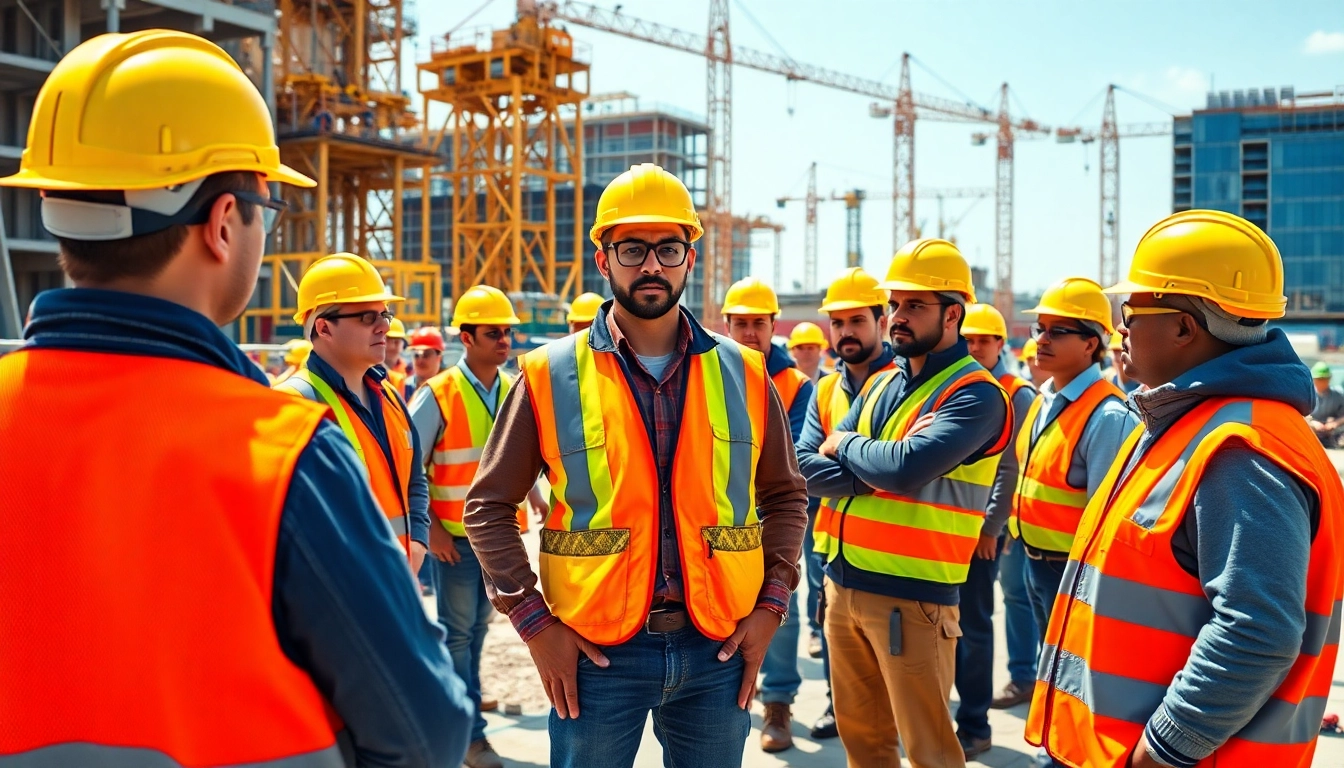
Establishing comprehensive safety protocols is necessary to protect employees during the manufacturing process. Regular training and safety audits help reinforce a culture of safety and compliance with occupational health standards.
Future Directions for Flexible Wire Manufacturers
Emerging Technologies in Wire Production
The future of flexible wire manufacturing will likely be influenced by advancements such as robotics, artificial intelligence, and IoT integration, which can optimize production and enhance monitoring capabilities.
Sustainability Initiatives
As industries move toward sustainable practices, flexible wire manufacturers will need to adopt greener production methods and materials. This shift not only addresses environmental concerns but also caters to rising consumer expectations.
Market Growth Predictions
The flexible wire market is poised for growth, driven by technological demands in sustainable energy, telecommunications, and advancements in automation. Manufacturers must remain adaptable to leverage emerging market opportunities.
Frequently Asked Questions
What defines flexible wire compared to traditional wire?
Flexible wire can bend and twist without breaking, unlike traditional wire, which is typically rigid. This adaptability makes it ideal for a variety of applications.
What materials are commonly used in flexible wire production?
Copper is the most common material due to its excellent conductivity, but aluminum and various insulating materials are also widely used.
How is the quality of flexible wire assessed?
Quality is assessed through various testing methods, including electrical, thermal, and mechanical tests to ensure performance under operational conditions.
What are the major challenges faced by manufacturers?
Key challenges include supply chain disruptions, maintaining quality standards, and adapting to rapid technological changes.
How can manufacturers improve production efficiency?
Adopting lean manufacturing principles, investing in energy-efficient systems, and optimizing workflows are effective strategies to enhance production efficiency.