Understanding the Fundamentals of Railroad Construction
Railroad construction is a complex and demanding process that involves several interconnected components aimed at creating safe and efficient railways. Understanding its fundamentals is critical for professionals in the industry, as well as stakeholders who are invested in the growth and enhancement of railway networks. Railroad Construction encompasses a broad array of practices, from the initial planning stages to the final rollout of the railway system. This understanding helps to streamline the construction process and improve overall efficiency.
The Critical Steps in Railroad Construction
The railroad construction process can be broken down into several key steps. Each of these steps is crucial to ensure the safety, durability, and efficiency of the finished product.
- Planning and Design: This is the first and most critical step. It encompasses route selection, feasibility studies, environmental assessments, and the drafting of designs that meet both operational needs and regulatory requirements.
- Land Acquisition: Once the planning is complete, securing land rights is essential. This includes negotiations with landowners and addressing any legal considerations, such as zoning laws.
- Site Preparation: This involves clearing the land, grading, and leveling the ground. Proper preparation sets the foundation for laying tracks and supports future infrastructure.
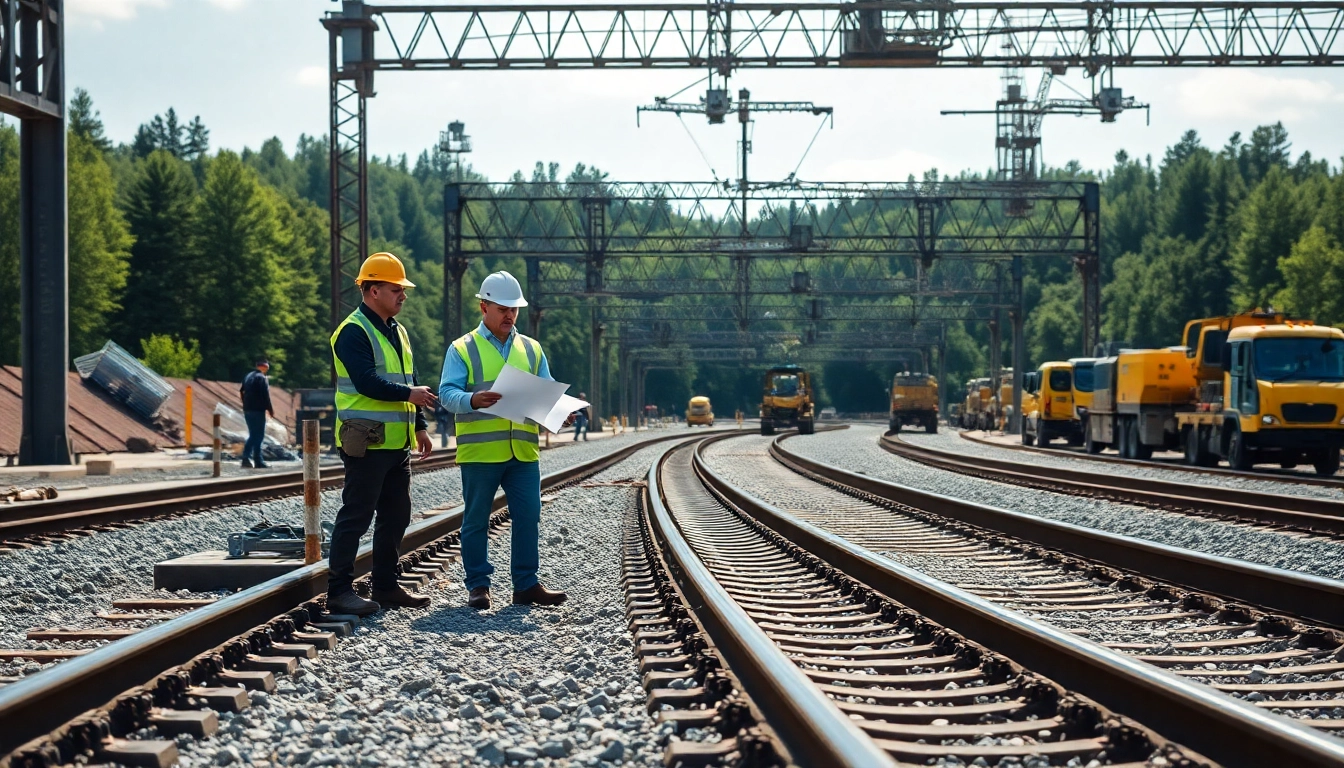
- Track Installation: The next step is laying the tracks, including rail ties, signaling systems, and other necessary components to ensure safe train operations.
- Infrastructure Development: Additional infrastructure for operations, including stations, maintenance facilities, and safety equipment, must be developed to facilitate smooth operations.
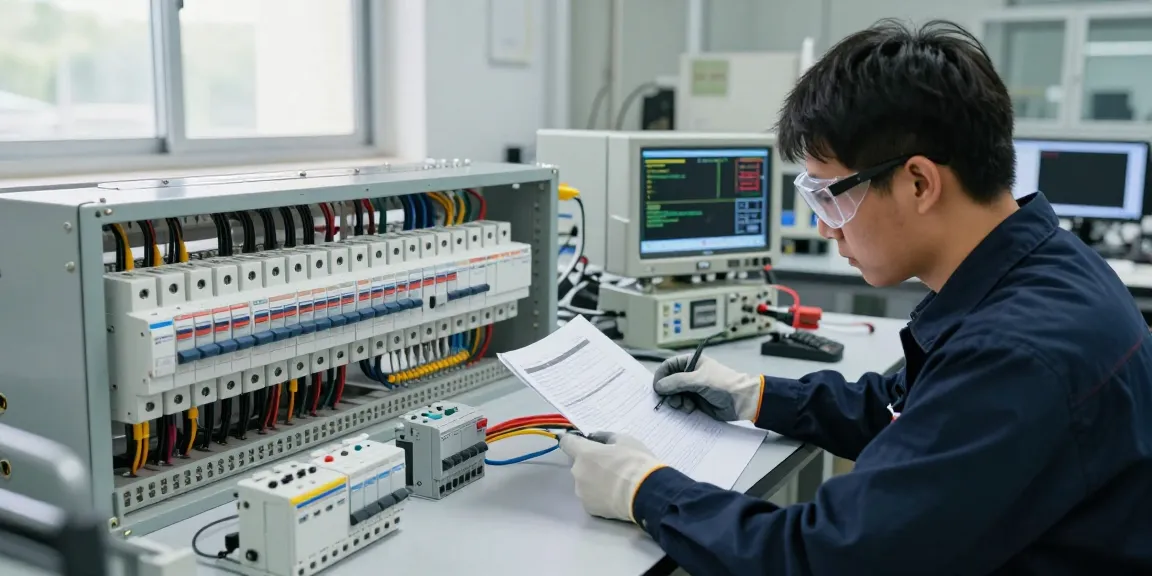
- Testing and Quality Assurance: Before opening a railway to public use, thorough testing ensures that everything is functioning correctly. This includes track alignment, signal checks, and physical inspections of the rail cars.
Key Considerations for Railroad Design
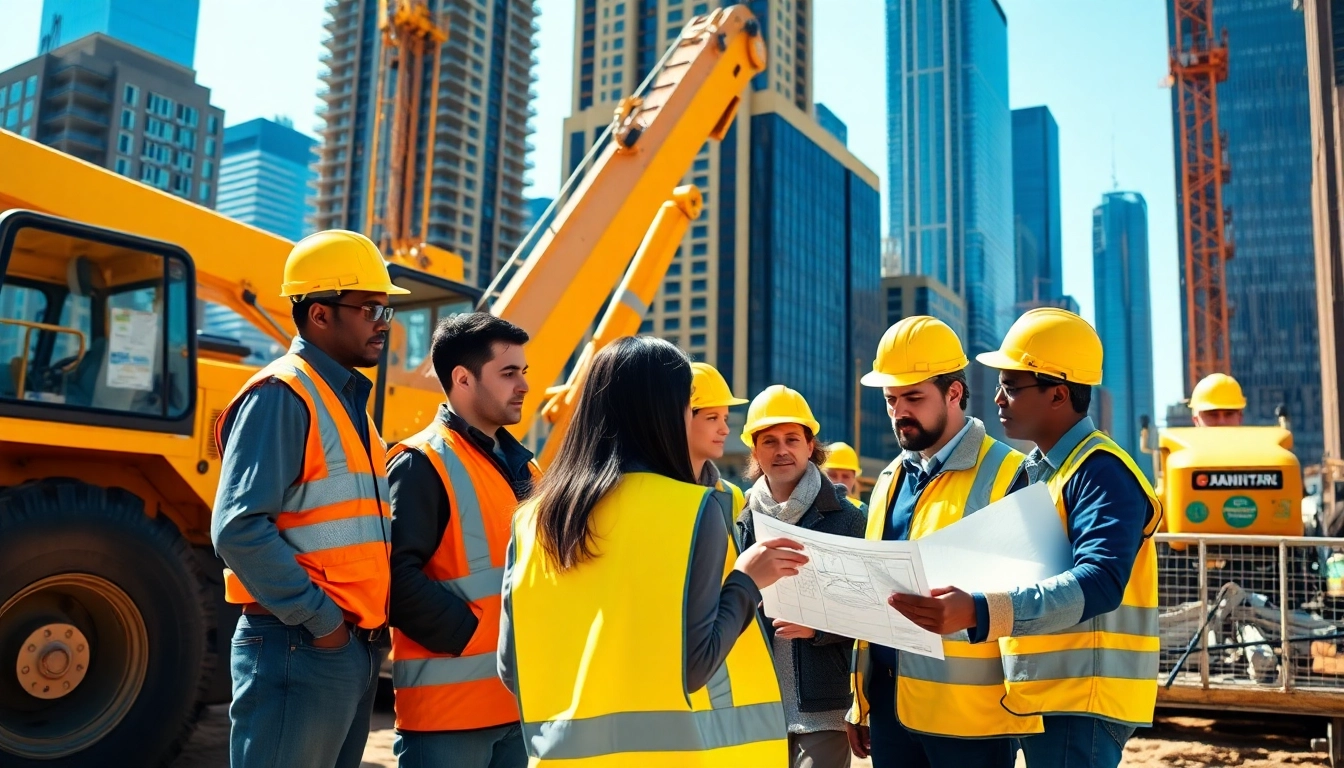
Designing a railway line requires meticulous attention to various factors that influence its success. Understanding these considerations can guide contractors and project managers in creating effective designs.
- Geographical Challenges: The landscape can pose significant challenges. Rail designs must account for hills, valleys, and water bodies to ensure that routes are viable and sustainable.
- Environmental Impact: Engaging in environmental assessments early in the design process can mitigate ecological disturbances. Striking a balance between construction and wildlife preservation is essential.
- Future Expandability: Design decisions should be forward-thinking, allowing for potential future expansions or upgrades without necessitating significant redesign.
- Cost Efficiency: While quality materials and construction techniques are paramount, balancing costs within budget constraints is necessary to keep the project economically viable.
- Accessibility Needs: Considering the accessibility of stations and services ensures that the railway can effectively cater to all passengers, including those with disabilities.
Materials Used in Railroad Construction
The materials selected for railroad construction are instrumental in the longevity and safety of the railway. The following materials are most commonly used:
- Track Rails: Typically made from steel, rails must withstand extreme pressure from passing trains. They are manufactured to a high tensile strength for durability.
- Sleepers/Ties: These support rails and maintain track alignment. Common materials include wood, concrete, and steel, each with its pros and cons regarding cost and lifespan.
- Ballast: This is the gravel or crushed stone that provides stability to the track. It facilitates drainage and helps keep the sleepers properly positioned.
- Signaling Equipment: Essential for safe operations, this equipment includes lights, sensors, and switches, typically made from specialized plastics and metals to withstand environmental conditions.
- Fasteners: The components that hold rails in place, such as spikes and bolts, need to be robust and corrosion-resistant to handle the stresses of daily rail traffic.
Innovative Techniques in Railroad Construction
The railroad construction industry is continually evolving, embracing innovative techniques and technologies that enhance efficiency and effectiveness. Here are some noteworthy advancements:
Advancements in Construction Equipment
Modern construction equipment has revolutionized railroad building. Heavy machinery, such as rail cranes, excavators, and automated laying systems, speeds up the construction process.
- Railroad Cranes: These specialized cranes lift and position heavy track components, minimizing the manual labor involved in setting rails.
- Ballast Regulators: These machines precisely distribute ballast, ensuring optimal track width and stability.
- Rail Machine Technology: Innovations like the 'rail welding machine' allow for quicker connection of rail segments, enhancing efficiency and reducing delays.
Impact of Technology on Railroad Construction Efficiency
Technology plays an integral role in enhancing the efficiency of railroad construction projects. Some significant impacts include:
- Project Management Software: These tools aid in planning, monitoring, and managing resources and timelines effectively, cutting down on completion delays.
- Geographic Information Systems (GIS): GIS technology aids in effective route planning and environmental impact assessments by providing detailed maps and analyses.
- Drones: Drones are increasingly used for surveying and monitoring construction progress, providing real-time data that facilitates on-the-ground decision-making.
Best Practices for Safety and Compliance
Safety should always be the top priority in any construction project, including railroad construction. Compliance with industry regulations ensures the safety of workers and minimizes risks:
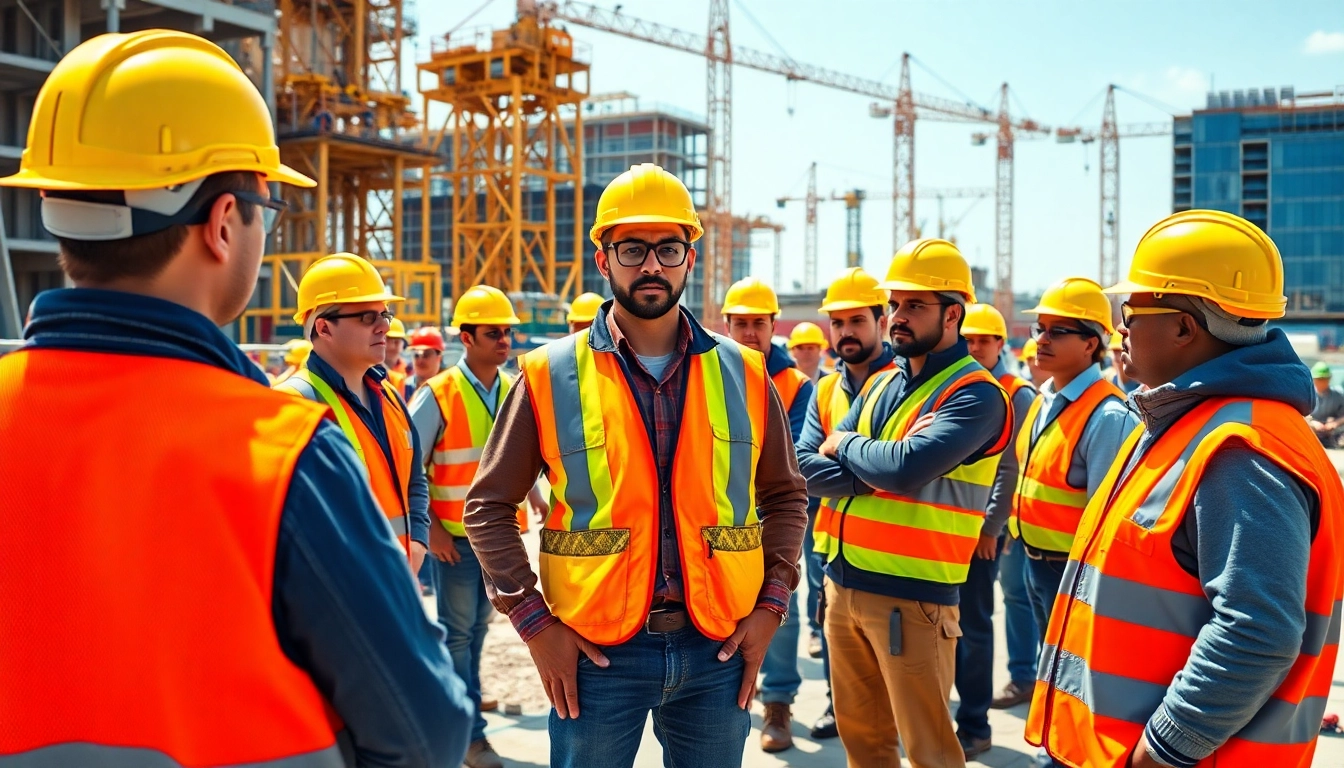
- Regular Training Sessions: Conducting ongoing training for workers ensures they remain updated on safety protocols and best practices.
- Safety Equipment: Providing proper equipment, such as helmets, gloves, and high-visibility clothing, is crucial to minimizing workplace accidents.
- Hazard Assessments: Continuous monitoring and assessment of potential hazards on site can drastically reduce accidents and enhance overall safety.
Common Challenges in Railroad Construction Projects
Even with planning and preparation, railroad construction projects face numerous challenges that can impact timelines, budgets, and safety. Addressing these proactively is essential.
Dealing with Environmental Regulations
One of the most significant hurdles in railroad construction is adhering to stringent environmental regulations. Often, projects must pass through sensitive ecological zones, requiring extensive assessments and allowances for environmental impact:
- Engaging with Local Communities: Being proactive in communicating with local populations can smooth the permitting process and build stakeholder trust.
- Impact Assessments: Conducting thorough environmental impact assessments at the earliest stages can streamline the permitting process and reduce the likelihood of legal challenges.
Managing Supply Chain Issues
Supply chain challenges can create delays in the availability of essential materials. These can stem from global events or local disruptions:
- Establishing Strong Partnerships: Building reliable relationships with suppliers can ensure a steady flow of materials and help troubleshoot any supply bottlenecks.
- Diversifying Suppliers: Having multiple sources for key materials can insulate projects from disruptions caused by specific suppliers.
Mitigating Weather-Related Delays
Weather can have a profound impact on outdoor construction activities. Rain, snow, or extreme temperatures can halt progress:
- Seasonal Planning: Planning construction schedules around seasonal weather patterns can minimize disruptions. For instance, avoid heavy construction during known rainy or snowy seasons.
- Weather Monitoring Technologies: Using technology to monitor weather forecasts and conditions can help teams prepare and respond effectively to adverse weather conditions.
Measuring Success in Railroad Construction
Measuring the success of railroad construction is critical for stakeholders to evaluate performance and refine future projects. The following key indicators form the foundation of project assessment:
Key Performance Indicators for Railroad Projects
Establishing clear KPIs helps keep projects on track and ensures all stakeholders share the same benchmarks for success:
- Cost Performance: These KPIs examine whether the project remains within budget, helping to identify areas for financial improvements.
- Schedule Adherence: Timeliness is crucial in any construction project; these indicators assess whether activities are completed as scheduled.
- Quality Metrics: Evaluating the quality of materials and workmanship ensures the final product meets established safety and performance standards.
Importance of Quality Control
Quality control systems are essential during construction to identify defects before they lead to safety problems or project delays:
- Regular Inspections: Implementing scheduled inspections throughout all phases of the project helps catch issues early.
- Documentation: Maintaining thorough records of materials, inspections, and training enhances accountability and facilitates audits.
Analyzing Project Timelines and Budgets
Timely completion and adherence to budget are crucial indicators of project success. Regular assessments can help to keep track of these metrics:
- Utilizing Gantt Charts: These visual tools can help project managers keep track of tasks, deadlines, and dependencies.
- Financial Audits: Periodic evaluations help ensure that funds are allocated correctly and that financial practices are being followed.
FAQs About Railroad Construction
What are the main components of railroad construction?
Key components include track alignment, materials, and signaling systems essential for safe operations.
How long does a typical railroad construction project take?
Project duration varies greatly depending on scope but can range from a few months to several years.
What are the safety measures in railroad construction?
Safety measures include worker training, protective gear, equipment safety checks, and regular site inspections.
How is technology used in railroad construction?
Technology enhances design precision, streamlines project management, and improves communication on construction sites.
What environmental considerations are important?
Environmental factors include impact assessments, land use regulations, and measures to protect local wildlife during construction.