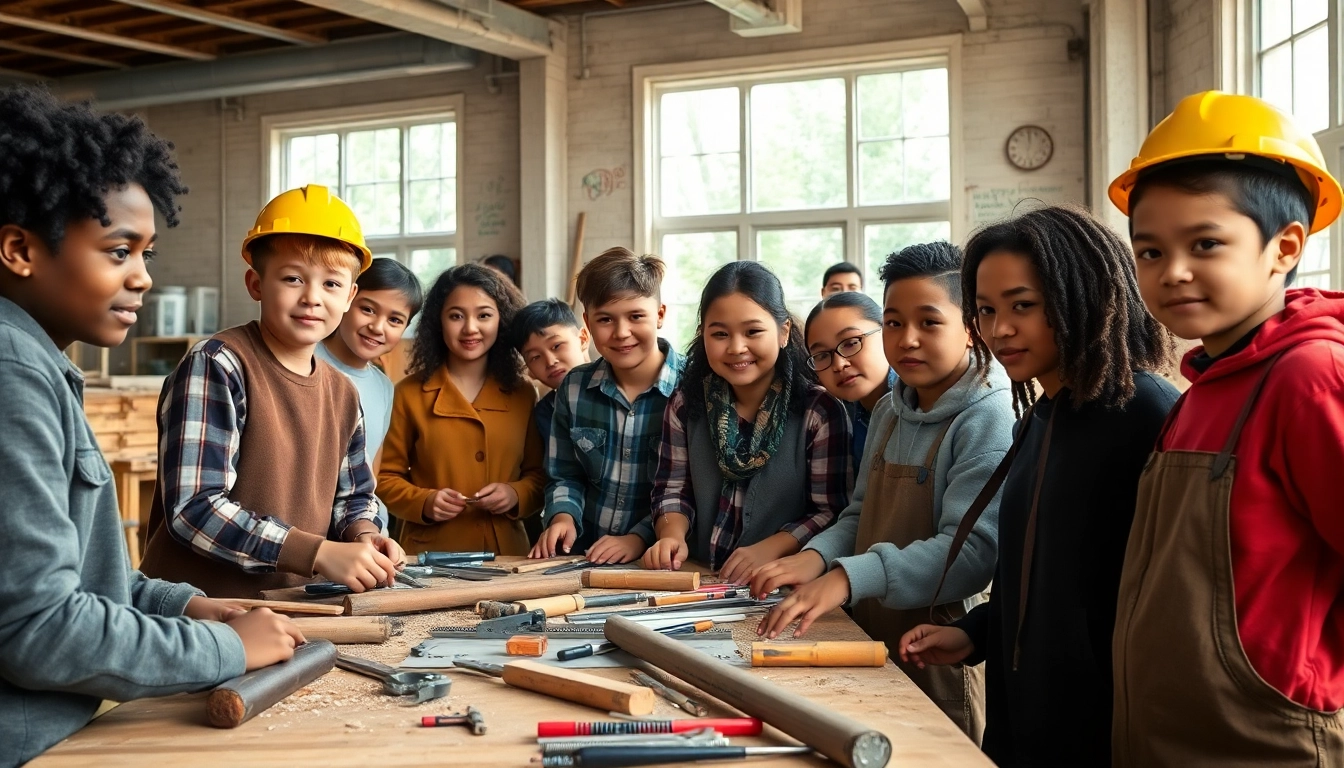
Introduction to Construction Classes
In a world increasingly driven by infrastructure and development, the demand for skilled professionals in construction is on the rise. Aspiring builders, architects, and tradespeople often seek out education to enhance their knowledge and practical skills. This is where construction classes come into play. These programs are designed to impart essential skills and knowledge to both novices and seasoned professionals in the construction field.
What Are Construction Classes?
Construction classes are educational programs focused on teaching various skills related to the construction industry. These classes cover a broad spectrum of subjects including basic construction techniques, advanced building practices, safety regulations, project management, and specialized trades. They are often taught by industry professionals, ensuring that students receive relevant and practical knowledge that can be immediately applied in real-world situations.
Importance of Construction Classes for Skill Development
Skill development in construction is critical due to the complexity and diverse nature of the industry. Construction classes not only help individuals acquire technical skills but also develop soft skills such as problem-solving and teamwork. For instance, a construction class may teach someone how to read blueprints and effectively collaborate with a team to ensure project completion. Furthermore, with the fast-paced advancements in technology and materials, ongoing education becomes essential for staying current and competitive in the field.
Who Should Attend Construction Classes?
Construction classes are suitable for a variety of participants, including:
- Aspiring Professionals: Individuals who are new to the construction industry and want to build a foundational knowledge base.
- Seasoned Workers: Experienced professionals looking to update their skills or diversify their expertise.
- Career Changers: Individuals from non-construction backgrounds who wish to transition into a viable career in construction.
- Business Owners: Entrepreneurs looking to improve operational capabilities and staff training in construction management.
Types of Construction Classes Available
Basic Construction Techniques
Basic construction classes typically focus on foundational skills necessary for anyone entering the field. These may include:
- Tool Safety: Understanding the safe use of hand and power tools.
- Blueprint Reading: Learning to interpret building plans and specifications.
- Material Identification: Knowing different types of building materials and their applications.
- Basic Framing Techniques: Skills necessary for constructing walls, roofs, and frames.
These classes often combine hands-on learning with theoretical education, allowing students to practice skills in real-world simulations.
Advanced Skills for Professionals
For those who already possess basic knowledge, advanced construction classes dive deeper into specialized areas. Common subjects covered include:
- Project Management: Skills for leading a project from inception to completion, including budgeting and scheduling.
- Building Codes and Regulations: Understanding legal requirements and ensuring compliance.
- Advanced Carpentry Techniques: Skills related to complex constructions such as cabinetry and specialized woodwork.
- Electrical and Plumbing Systems: Basics of installing and maintaining essential utilities.
Advanced classes are particularly beneficial for professionals looking to enhance their careers and take on more responsibilities.
Specialized Classes in Green Building
As sustainability becomes more important, many construction classes now offer specialized courses in green building. These classes may cover:
- Energy-Efficient Design: Techniques for creating buildings that consume less energy.
- Materials Selection: Understanding environmentally friendly materials and their benefits.
- Renewable Energy Systems: Knowledge concerning solar panels, wind turbines, and other renewable technologies.
Participating in these classes is crucial for professionals aiming to stay ahead in an evolving industry focused on sustainability and environmental responsibility.
Benefits of Construction Classes
Practical Skill Acquisition
One of the most significant advantages of attending construction classes is the opportunity for practical skill acquisition. Unlike traditional educational paths, construction classes often emphasize hands-on learning, allowing students to apply what they've learned in a controlled environment. This not only enhances retention but fosters confidence when facing real-world challenges. Students can expect to leave these classes with extensive knowledge and the ability to put theory into practice effectively.
Networking Opportunities in the Industry
Construction classes also serve as valuable networking hubs. Students have the opportunity to connect with instructors who are seasoned professionals and peers who may become future colleagues or partners. Networking in this context can lead to internships, job placements, and collaborative projects. Many instructors often have connections within the industry, which can be beneficial when seeking employment.
Enhancing Career Prospects
By completing construction classes, individuals enhance their credentials, making them more attractive to potential employers. Certifications obtained from well-regarded programs can significantly improve job prospects and open doors to higher-paying positions. Moreover, for those seeking to move up in their current workplaces or even start their own businesses, the additional skills and knowledge from these classes can be a game changer.
How to Choose the Right Construction Classes
Identifying Your Goals
The first step in selecting the right construction classes is identifying your personal goals. Consider what you want to achieve—do you want to learn the basics for a new career, or do you seek advanced knowledge to elevate your existing skill set? Understanding your goals will guide your search and ensure you select classes that align with your aspirations.
Assessing Course Quality and Instructors
Not all construction classes are created equal. It’s essential to research the reputation of the courses and instructors. Look for courses offered by accredited organizations and check reviews from past students. High-quality instructional staff can make a significant difference, so consider their backgrounds, qualifications, and teaching styles before enrolling.
Considering Format and Location
Construction classes may be offered in various formats, including in-person, online, or hybrid. Each format has its benefits and challenges, so consider your learning style and logistical needs. Moreover, the location of in-person classes can affect your decision; ensure the commute or travel will fit into your schedule. If opting for online classes, verify the technology requirements and support available.
FAQs about Construction Classes
What can I expect to learn in construction classes?
Students typically learn practical skills, safety practices, and project management techniques tailored to their course level.
Are construction classes suitable for beginners?
Yes, many classes cater specifically to beginners, covering foundational skills necessary to start a career in construction.
How long do construction classes last?
Duration varies but usually ranges from a few weeks to several months, depending on the complexity and depth of the course.
Is certification available after completion?
Many courses offer certification, enhancing your credentials and employment opportunities in the construction field.
What materials do I need for construction classes?
Basic tools and materials are often provided; however, it's best to check with specific class requirements for any additional needs.