Understanding Peel and Stick Wall Panels
What Are Peel and Stick Wall Panels?
Peel and stick wall panels are innovative, adhesive-backed panels designed for quick and easy installation on walls. These versatile coverings come in various finishes, patterns, and colors, making them an attractive option for both residential and commercial spaces. Unlike traditional wall coverings that require messy glues or complicated installation methods, peel and stick wall panels offer a hassle-free solution. Simply peel off the backing and stick the panel to a clean, smooth surface. This user-friendly approach has made them a popular choice for DIY enthusiasts and homeowners looking to refresh their spaces without extensive renovations. For detailed insights into different types and uses, consider exploring peel and stick wall panels.
Types of Peel and Stick Wall Panels
The market offers a diverse array of peel and stick wall panels, catering to various tastes, needs, and design aesthetics. Here’s a closer look at the primary types available:
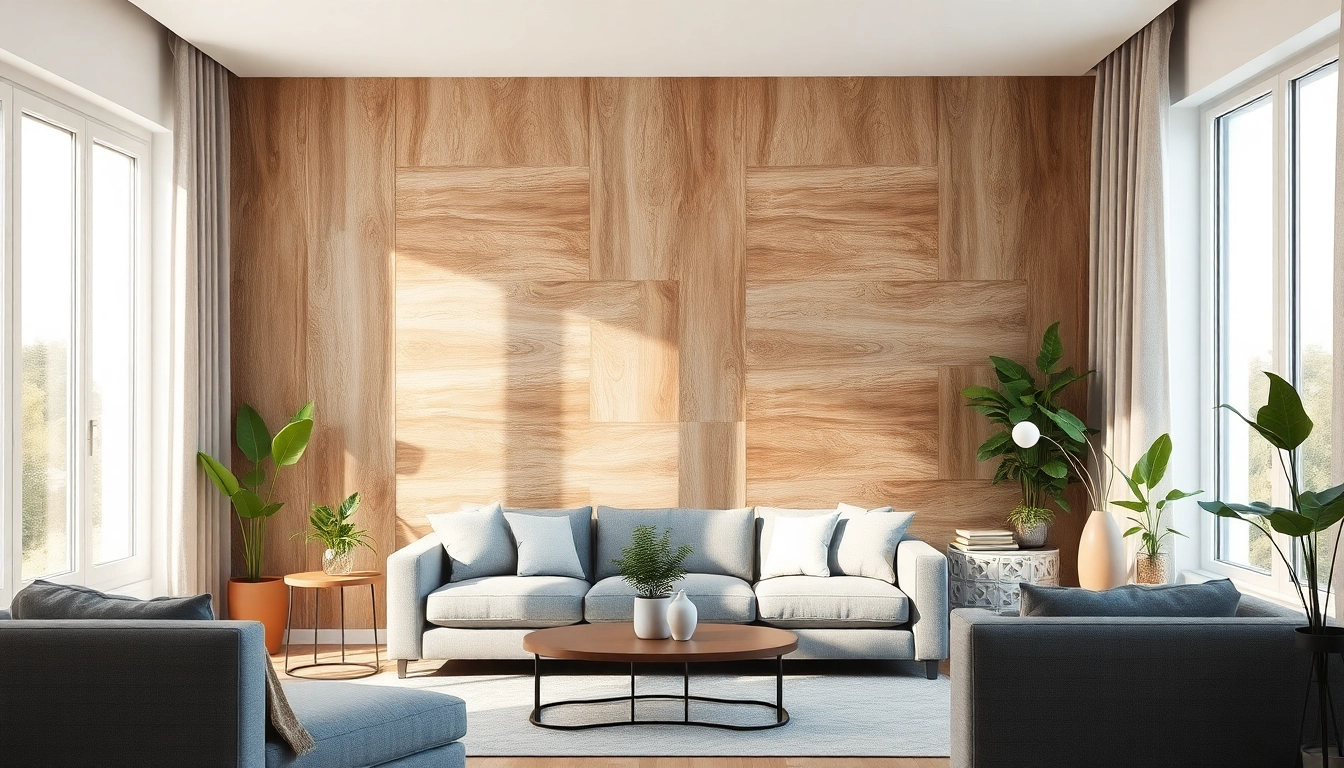
- Wood Panels: These panels emulate the warm, rustic finish of natural wood. Options range from reclaimed looks to contemporary finishes, suitable for accent walls or complete room transformations.
- Stone and Brick Panels: Ideal for a rugged, industrial look, these panels replicate the appearance of stone or brick without the weight and complicated installation of real masonry.
- Textured Panels: Featuring enhanced textures such as shiplap, wainscoting, or 3D designs, these panels can add depth and personality to any space.
- Metal Panels: Great for modern decor, metal panels provide an edgy, contemporary feel, often used in kitchens and living areas.
- Vinyl Panels: Durable and water-resistant, vinyl panels are perfect for areas prone to moisture, such as bathrooms or kitchens.
Benefits of Using Peel and Stick Wall Panels
Peel and stick wall panels have gained popularity due to their numerous benefits, appealing to both aesthetic and practical demands:
- Easy Installation: With no special tools or adhesives needed, panels can be installed quickly, making them ideal for renters or those looking to update their space without permanent changes.
- Versatility: They can be applied to virtually any smooth surface, including drywall, plywood, and even existing wallpaper, allowing for various applications throughout the home or office.
- Cost-Effective: More affordable than traditional wall coverings or painting, these panels provide a cost-effective option for achieving high-end looks without the high-end price tag.
- Low Maintenance: Peel and stick wall panels are generally easy to clean and maintain, only requiring a simple wipe with a damp cloth to keep them looking fresh.
- Design Flexibility: Their availability in numerous colors, styles, and textures allows homeowners to express their unique style and adapt to changing trends effortlessly.
Choosing the Right Peel and Stick Wall Panels
Factors to Consider Before Buying
Selecting the right peel and stick wall panels involves more than just aesthetic preferences. Here are essential factors to consider:
- Room Temperature and Humidity: Rooms with high moisture levels, like kitchens and bathrooms, require panels made from materials resistant to moisture to prevent warping or peeling.
- Size of the Space: Consider whether you want to use panels as full wall coverings or feature sections. Larger spaces may require larger panels or more intricate designs to maintain visual appeal.
- Intended Use: If the panels will be subjected to high traffic or impacts, look for options that are more durable and designed to withstand wear and tear.
- Adhesive Strength: The adhesive quality is crucial; high-quality panels should remain securely attached in high-humidity environments.
- Eco-Friendliness: For environmentally conscious buyers, look for panels made from sustainable materials or those that have low VOC emissions.
Color and Texture Selection Tips
When it comes to selecting the perfect color and texture for your peel and stick wall panels, consider the following tips:
- Understanding Lighting: Assess how natural and artificial light interacts with colors throughout the day to select hues that complement your existing decor.
- Mixing Textures: Combining different textures can create a dynamic look. For example, use smooth panels alongside textured finishes to add depth.
- Consult Color Palettes: Use color wheels or online tools designed for interior design to help you find complementary or contrasting shades.
- Sample Before Committing: Where possible, order samples to test how colors and textures look in your specific space.
Matching Panels with Existing Decor
Successfully integrating peel and stick wall panels with existing decor requires careful consideration:
- Consider Existing Colors: Identify the primary and secondary colors in your decor to find complementary panel options that will enhance your design.
- Balance with Furniture: Ensure your chosen panels do not overpower furniture pieces. Neutral tones may help maintain balance in busy rooms.
- Texture Harmony: Pair rough textures with smoother furnishings to create visual contrast and harmonize the overall aesthetic.
- Follow a Consistent Theme: Whether modern, rustic, or eclectic, ensure all design elements align with a unified theme for cohesive decor.
Installation Guide for Peel and Stick Wall Panels
Preparation Steps for Installation
Proper preparation is key to ensuring the longevity and stability of your peel and stick wall panels. Follow these steps before installation:
- Wall Cleaning: Clean the wall surface thoroughly, removing dust, grease, and debris using a mild cleaner. Allow the wall to dry completely.
- Measure and Plan: Measure the area for the installation, taking note of dimensions and layout. Create a plan that includes how you will place the panels.
- Gather Tools: Essential tools include a utility knife for cutting panels to size, a level for straight alignment, and a measuring tape.
- Temperature Regulations: Ensure the room temperature is within the manufacturer's recommended range for optimal adhesion.
Step-by-Step Installation Process
The installation of peel and stick wall panels can be achieved by following a straightforward process:
- Start from the Bottom: Begin installation at the bottom of the wall to ensure panels align correctly as you work upward.
- Peel Back the Adhesive: Carefully peel the backing off the first panel, exposing the adhesive. Avoid touching the adhesive side.
- Press and Align: Position the panel on the wall, pressing firmly to adhere, and using a level to ensure it is straight.
- Continue Adding Panels: Repeat the process for the remaining panels, making sure to stagger seams for a natural appearance, as you work horizontally or vertically.
- Trim Edges: Use a utility knife to trim excess material along edges or around obstacles like outlets to ensure a clean finish.
- Finish with a Seamless Look: Ensure all panels fit snugly together, and use a rolling tool if necessary to secure edges firmly against the wall.
Common Installation Mistakes to Avoid
Avoid these frequent errors during the installation process to ensure a successful outcome with your peel and stick wall panels:
- Ignoring Wall Prep: Failing to clean or repair walls can lead to poor adhesion and visible imperfections.
- Not Using a Level: Neglecting to check for straight alignment can result in crooked panel placement and an overall non-professional look.
- Over Stretching Panels: Pulling panels too tightly can cause them to lose their adhesive qualities or result in excess stress on seams.
- Ignoring Temperature Guidelines: Installation in non-recommended temperatures can affect adhesive performance.
- Rushing Installation: Take your time during installation; rushing can lead to misalignment and errors that may require rework.
Maintaining Your Peel and Stick Wall Panels
Cleaning and Care Instructions
To keep peel and stick wall panels looking their best, follow these maintenance tips:
- Gentle Cleaning: Use a damp cloth or sponge with a mild soap solution to wipe the surface. Avoid abrasive cleaners that could scratch or damage the finish.
- Immediate Spot Cleaning: Clean spills or stains promptly to prevent permanent markings or damage to the adhesive.
- Regular Dusting: Dust the panels regularly to prevent buildup that may affect their appearance over time.
- Avoid Steam or Excessive Water: Keeping panels away from direct steam or water sources will help maintain their longevity.
Repairing Damaged Panels
Minor damages to peel and stick wall panels can often be repaired without complete removal. Here are ways to remedy common issues:
- Scratches or Dents: For light scratches, consider using furniture polish that matches the panel texture to mask imperfections.
- Peeling Edges: If edges start to peel, use an adhesive specifically designed for craft or home repairs to secure them back in place.
- Replacing Panels: For significant damage, remove the damaged panel, clean the area, and replace it with a new panel, ensuring correct installation practices.
Longevity and Replacement Considerations
While peel and stick wall panels are designed for durability, it’s essential to know when to replace them:
- Common Lifespan: With proper care, most panels can last several years. However, factors like environmental conditions can influence longevity.
- Signs of Wear: Look for visible signs of wear, such as lifting at the edges, fading colors, or water damage due to excessive moisture.
- Updating Decor: Changing your decor style may necessitate refreshing wall panels. Aligning them with new trends can enhance overall aesthetics.
Creative Design Ideas Using Peel and Stick Wall Panels
Transforming Small Spaces with Panels
Peel and stick wall panels can dramatically alter small spaces by introducing unique textures and colors. Here are creative approaches:
- Accent Wall: Use a bold color or textured panel on one wall to create a stunning focal point, enhancing the perceived size of the room.
- Vertical Panels: Installing panels vertically can give the illusion of higher ceilings, making rooms feel more spacious.
- Use in Nooks: Transform alcoves or reading nooks with distinctive panels that create an inviting atmosphere and highlight cozy corners.
Feature Walls: Making a Statement
Feature walls are an excellent way to leverage the beauty of peel and stick wall panels. Utilize these ideas for maximum impact:
- Interchangeable Panels: For those who like change, consider a gallery wall with various panels that you can swap in and out as your style evolves.
- Framed Panels: Display panels within frames to emphasize art pieces or gallery-style arrangements, effectively merging art with functional decor.
- Layered Textures: Create depth by layering different textures between panels and decorative elements, such as mirrors or art pieces.
DIY Projects with Peel and Stick Wall Panels
Peel and stick wall panels open a world of DIY projects, allowing creative expressions in various ways:
- Headboards: Create a stunning headboard using panels to amplify the bedroom’s focal point with minimal effort.
- Creative Backsplashes: Enhance kitchen or bathroom aesthetics by using water-resistant options as an eye-catching backsplash.
- Furniture Makeovers: Add panels to furniture pieces, like dressers or bookshelves, to breathe new life into old items.
FAQs
Can I use peel and stick wall panels in bathrooms?
Yes, many peel and stick wall panels are moisture-resistant, making them suitable for bathrooms. Ensure you choose panels specifically designed for high-humidity environments.
How do I remove peel and stick wall panels?
To remove panels, gently peel them from the wall starting from one corner. Use a heat source like a hairdryer to loosen the adhesive if necessary.
Are peel and stick wall panels durable?
Most peel and stick wall panels are designed for durability. However, their longevity can vary depending on care, environmental conditions, and the quality of the product.
Can I paint over peel and stick wall panels?
Generally, painting over peel and stick wall panels is not recommended, as it may compromise the adhesive's performance and the finish's appearance.
How do I clean my peel and stick wall panels?
For maintenance, use a damp cloth with mild soap to clean the panels. Avoid harsh chemicals that could damage the surface or finish.