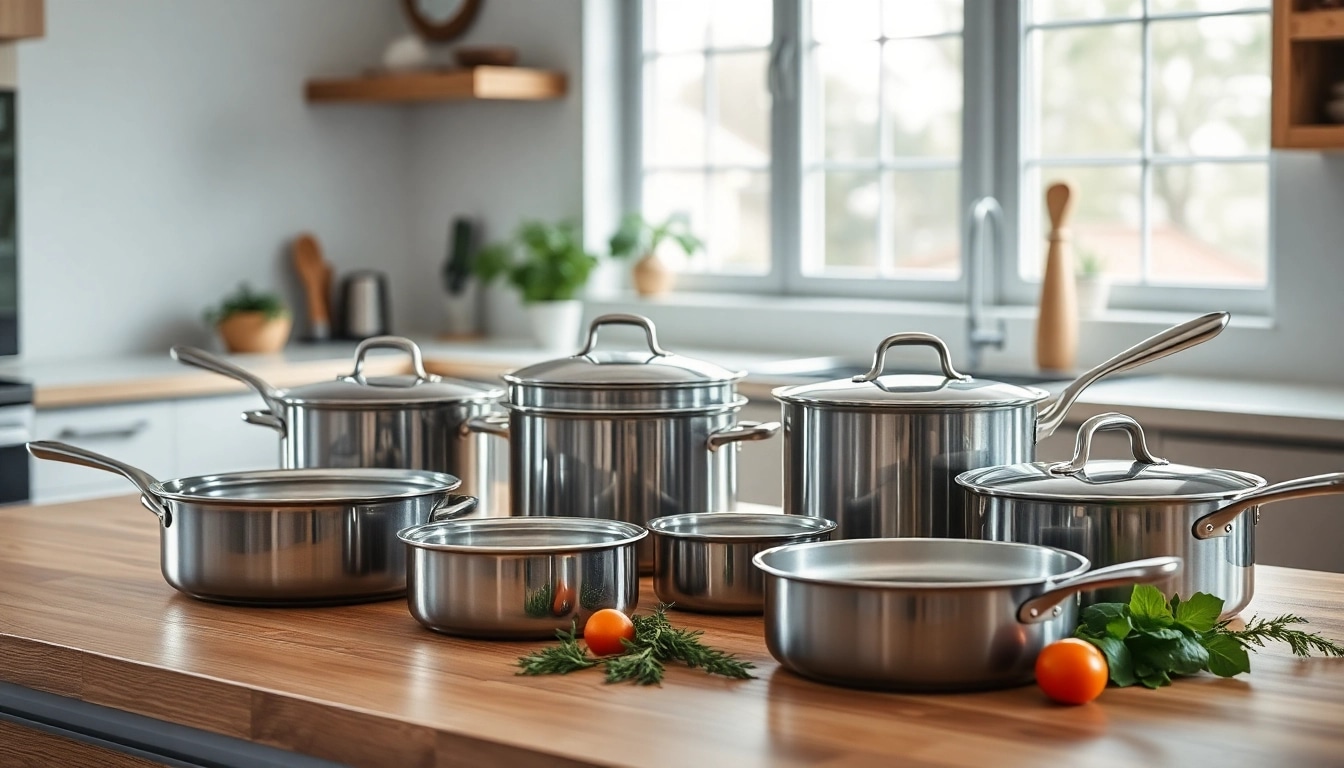
The Importance of Quality Cookware NZ
In the culinary landscape, quality cookware NZ serves as the foundation for successful cooking experiences. It impacts everything from the flavors of your dishes to the overall efficiency of your kitchen. Choosing the right cookware can enhance your culinary skills, making your food both delicious and visually appealing. Understanding the significance of quality cookware sets the stage for better cooking practices and meals.
Understanding Cookware Materials
Cookware materials vary widely, each offering unique benefits and characteristics. Here is a breakdown of popular materials:
- Stainless Steel: Renowned for its durability and resistance to rust and corrosion, stainless steel is a popular choice for everyday cooking. It conducts heat evenly, ensuring consistent cooking results.
- Cast Iron: This dense material retains heat exceptionally well, making it ideal for slow cooking and baking. Properly seasoned cast iron can provide a non-stick surface, enhancing food release.
- Non-Stick Coatings: Perfect for low-fat cooking, non-stick pans require less oil. However, care must be taken to avoid scratching the surface.
- Ceramic: Made from clay, ceramic cookware is appreciated for its aesthetic appeal and non-reactive surface. It is often used for baking and can go from oven to table.
- Aluminum: Lightweight and heats quickly, aluminum is often anodized to prevent scratching and improve durability.
Benefits of Investing in Quality Cookware
Investing in high-quality cookware comes with myriad benefits:
- Durability: High-quality cookware is designed to withstand the rigors of daily use, often coming with warranties that reflect their lasting power.
- Improved Culinary Results: Quality materials can enhance heat distribution, leading to better cooking results and more evenly cooked meals.
- Healthier Cooking: Many high-end options come with non-toxic coatings, allowing for healthier meal preparation.
- Cost-Effectiveness: Though initially more expensive, quality cookware can save money in the long run due to its longevity and performance.
Common Myths About Cookware
Several misconceptions surround cookware that can lead consumers astray:
- All Non-Stick Cookware Is Dangerous: Not all non-stick coatings are created equal. Modern technology has produced safer options that can withstand higher temperatures.
- Stainless Steel Is Non-Stick: While stainless steel can provide a level of natural non-stick qualities when properly preheated, it is not a true non-stick surface.
- High Price Equals High Quality: While price can indicate quality, it is essential to research brands and materials to ensure you're getting value for your investment.
Types of Cookware NZ
Essential Cookware Pieces for Every Kitchen
Building a well-rounded cookware collection enhances your cooking versatility. Here are key pieces to include:
- Saucepans: Ideal for boiling, simmering, and making sauces. Choose a variety of sizes.
- Frypans / Skillets: Perfect for frying, sautéing, and browning. Non-stick options provide easier cleaning.
- Stockpots: Useful for soups, stews, and canning. A heavy-bottomed stockpot distributes heat evenly.
- Roasting Pans: Essential for oven roasting meats and vegetables. Select one with a rack for better air circulation.
- Woks: Best for stir-frying, a high, sloped side allows for easy tossing of ingredients.
Comparison of Different Cookware Types
Different cookware types serve unique purposes:
Cookware TypeBest UsesProsConsFrypanSearing, sautéingQuick heating, versatileCan scratch easilyStockpotSoups, stewsLarge capacityHeavy and bulkyWokStir-frying, steamingFast cooking, healthy mealsRequires special utensils
Cookware Adaptability for Cooking Styles
Not all cookware suits every cooking style. Here’s how to align your cookware choices with your culinary preferences:
- Slow Cooking: Opt for cast iron or heavy-bottom pots that retain heat well.
- Baking: Ceramic and glass bakeware provide even heat, essential for desserts and casseroles.
- High-Heat Cooking: Stainless steel and cast iron withstand high temperatures, ideal for frying and searing.
Choosing the Right Cookware NZ
Factors to Consider When Buying Cookware
When selecting cookware, consider several factors for an informed purchase:
- Material: Choose based on cooking style and preference.
- Compatibility: Ensure cookware is suitable for your cooktop (induction, gas, electric).
- Size and Weight: Consider storage and handling when selecting the size.
- Handle and Lid Quality: Strong handles and well-fitting lids improve functionality and safety.
Best Cookware for Specific Cooking Techniques
Diving deeper into specific cooking methods can guide purchases:
- Braising: A heavy Dutch oven or cast iron pot will be your best bet.
- Stir-Frying: A carbon steel wok excels in high-temperature cooking.
- Baking: Glass or ceramic pans maintain heat for even cooking results.
Budgeting for Quality Cookware
Quality cookware can range significantly in price. Here are tips for budgeting effectively:
- Set Priorities: Identify essential items versus nice-to-haves.
- Research: Compare materials and brands online to find the best value.
- Buy Sets: Purchasing cookware sets can often save money compared to individual pieces.
Care and Maintenance of Cookware NZ
Cleaning Techniques for Different Materials
Proper cleaning significantly extends the life of cookware:
- Stainless Steel: Hand wash with warm, soapy water, and avoid steel wool to prevent scratching.
- Cast Iron: Rinse with hot water and dry immediately; never soak.
- Non-Stick: Use a soft sponge and mild detergent; avoid abrasive cleaners.
Storing Cookware Properly
Effective storage prevents damage and prolongs lifespan:
- Stacked Storage: Use felt pads between coated cookware to avoid scratches.
- Wall Space: Consider hanging pots and pans on wall hooks for easy access.
- Cabinet Organization: Keep similar sizes together to maximize space.
Extending the Life of Your Cookware
Simple practices can extend the durability of your cookware:
- Avoid Overheating: High heat can warp or damage certain materials.
- Use Appropriate Utensils: Opt for silicone or wood when cooking with non-stick surfaces.
- Regular Checks: Inspect for scratches, warping, or degradation and replace when necessary.
Frequently Asked Questions about Cookware NZ
What materials are best for cookware?
Stainless steel, cast iron, and high-quality non-stick materials are among the best for various cooking methods. Choose based on your cooking style.
Is non-stick cookware safe to use?
Yes, most modern non-stick cookware is safe when used according to the manufacturer’s instructions. Look for PFOA-free options for added safety.
How often should I replace my cookware?
Replace cookware when you notice significant wear, such as scratches, warps, or when non-stick surfaces no longer function effectively.
Can I use metal utensils on non-stick cookware?
It's best to avoid metal utensils on non-stick cookware, as they can scratch and damage the coating. Use silicone or wooden utensils instead.
What is the best cookware for induction stovetops?
Ferrous materials, like cast iron or certain stainless steel pieces, work best on induction stovetops due to their magnetic properties.