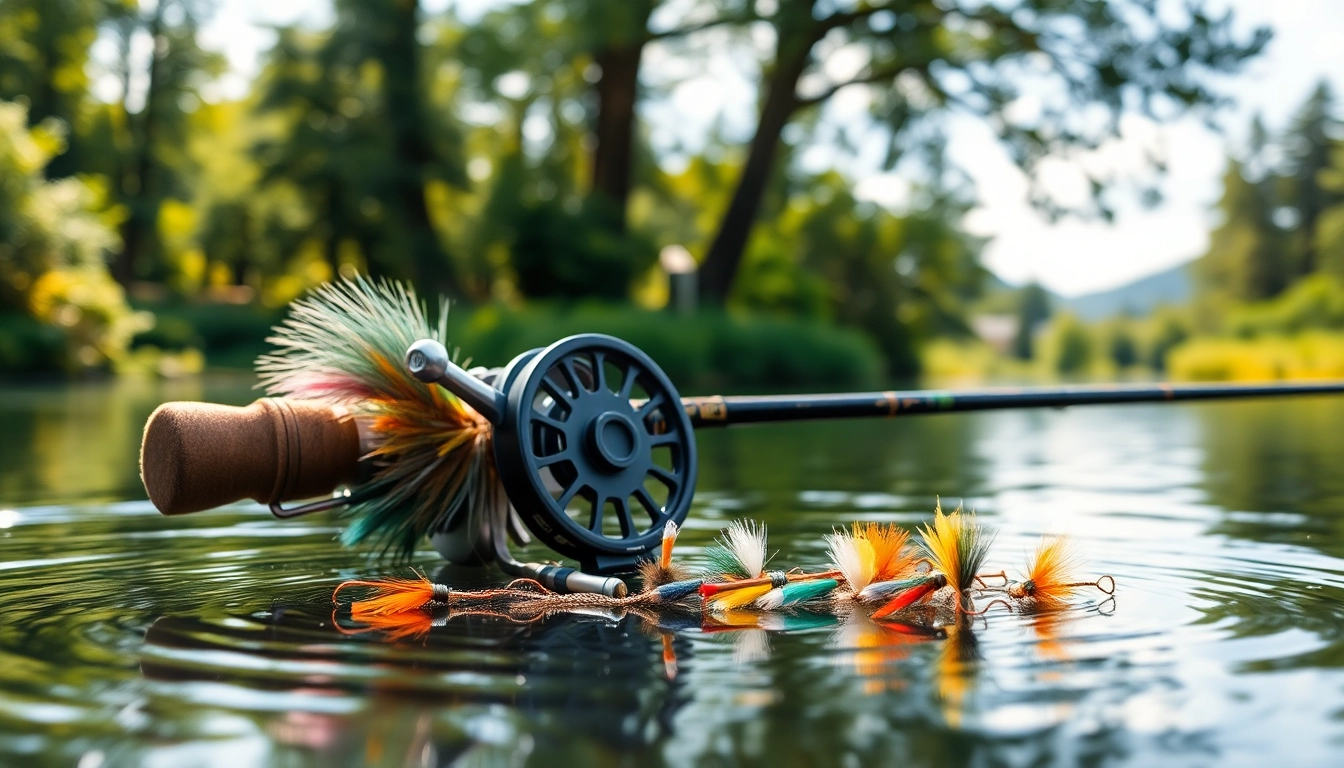
Understanding Fly Fishing Kits
What is a Fly Fishing Kit?
A fly fishing kit is a comprehensive collection of equipment designed for the practice of fly fishing. This specialized form of fishing utilizes artificial flies to mimic natural bait, allowing anglers to catch various species of fish. Fly fishing kits typically include a fly rod, reel, line, and a selection of flies, offering a cost-effective and convenient package for both beginners and seasoned anglers alike.
The beauty of a fly fishing kit lies not only in its inclusion of essential gear but also in its ability to cater to fishermen of all experience levels. By purchasing a complete kit, anglers save time and effort in sourcing individual components. With a well-chosen fly fishing kit, an angler can embark on their fishing adventure with confidence.
Components of a Fly Fishing Kit
Understanding the components of a fly fishing kit is crucial for making informed choices. Here, we'll break down the typical pieces of gear included in a standard fly fishing kit:
- Fly Rod: The fly rod is essential for casting. It is typically lightweight and made from materials such as graphite or fiberglass, allowing for enhanced flexibility and sensitivity.
- Fly Reel: The reel holds the line and assists in controlling the fish once hooked. A smooth drag system is vital for managing tough catches.
- Fly Line: Crafted specifically for fly casting, this line is thicker and heavier than standard fishing line. It helps in casting the fly to desired locations.
- Leader Line: This is the thin line that connects the fly line to the fly itself, allowing for a more natural presentation of the fly.
- Flies: These are the artificial lures designed to mimic the insects or bait fish that fish naturally prey upon. Kits often come with a variety of patterns and sizes.
- Accessories: Additional items may include split shot weights, strike indicators, forceps, and a tackle box for storage.
Choosing the Right Kit for Your Needs
Selecting the appropriate fly fishing kit depends on several factors, including your skill level, target fish species, and local fishing conditions. Here’s a guide to help narrow down your options:
- Skill Level: Beginners may benefit from all-in-one kits that include everything they need to start, while experienced anglers might prefer to select each component individually for optimized performance.
- Target Species: The type of fish you’re aiming to catch largely influences the choice of kit. Certain kits are designed for freshwater species like trout, while others are tailored for saltwater fishing, targeting species like tarpon or bonefish.
- Environment: Assess the waters in which you'll fish. Stillwater kits may differ from those designed for fast-moving rivers.
Determining Your Skill Level
Novice vs. Experienced Anglers
Understanding where you stand in terms of experience is vital for choosing the right equipment and approach to fly fishing. Novice anglers may find overwhelming options at first, while experienced fishermen will benefit from upgrades or specialized gear.
Novices may require more straightforward gear that allows them to learn the basics of casting and fish handling without complicating skills with advanced techniques. For example, a combo kit that combines a fly rod, reel, and appropriate flies can provide an excellent starting point.
On the contrary, seasoned anglers often seek customized kits or specific rod-action types tailored for their fishing style and target species. Knowledge about water types, seasonal patterns, and fly selection becomes essential for this group.
Essential Features for Different Skill Levels
As different anglers have varied requirements, the essential features found in fly fishing kits can differ based on skill level:
- Simple Setup for Beginners: Lightweight, user-friendly rods and reels that come pre-spooled with line make the learning curve less steep.
- Advanced Options for Experts: High-end rods made from premium materials, reels with advanced drag systems, and a wider selection of flies can enhance the fishing experience for experienced anglers.
- Instructional Material: Kits for beginners often include manuals or video tutorials to educate on casting techniques and setup.
Common Mistakes When Selecting a Fly Fishing Kit
Even experienced anglers can make mistakes when choosing their fly fishing gear. Here are some common pitfalls to avoid:
- Choosing the Wrong Size: An improperly sized rod or reel can lead to difficulties in casting and catching fish. Ensure your equipment matches your physical size and intended fishing technique.
- Overlooking Local Conditions: Not considering the specific water types and species in your area can lead to suboptimal gear choices.
- Neglecting Quality: While budget options may tempt novice anglers, investing in higher-quality gear can significantly improve longevity and performance.
Top Brands and Models
Popular Fly Fishing Kit Brands
The market offers various reputable brands catering to every type of fly fisher. Some of the most recognized names in fly fishing include:
- Orvis: Known for its high-end rods and full-featured kits, Orvis products are durable and backed by a brand reputation for excellence.
- Redington: This brand offers a wide range of performance fly rods and reels, often at more accessible price points.
- Shimano: Renowned for their innovative technology and reliable performance, Shimano products appeal to both beginners and professional anglers alike.
- Okuma: Known for budget-friendly, quality products, Okuma provides excellent starter kits for new fly fishers.
Review of Best-Selling Fly Fishing Kits
When considering which fly fishing kit to purchase, it is also useful to review popular options within various categories:
- Orvis Encounter Fly Rod Outfit: A great all-in-one beginner's option that includes a 5-weight fly rod, reel, and carry case. Users praise its durability and ease of use.
- Redington Crosswater Fly Fishing Outfit: This popular choice offers versatility with a high-performance rod and reel combo, making it suitable for a range of skill levels.
- Wild Water Fly Fishing Rod and Reel Combo: This budget-friendly kit is recognized for its affordability while delivering reliable functionality, making it perfect for novices.
- Patagonia's Black Hole Fly Rod and Reel Case: This high-end kit caters to seasoned anglers featuring lightweight materials and excellent storage solutions.
Comparative Analysis of Features and Prices
When purchasing a fly fishing kit, it is important to analyze features in relation to pricing. Consider evaluating based on parameters such as:
- Materials Used: Higher quality rods made from graphite are typically more expensive but offer better performance in terms of casting distance and accuracy.
- Reel Mechanism: Look for smooth, effective drag systems that can handle more substantial fish; these may come at a premium price.
- Included Accessories: Some kits include tackle boxes or extra flies, which can add value to the overall purchase.
Fly Fishing Techniques to Master
Basic Casting Techniques
Whether you're a beginner or seeking refinement, mastering basic casting techniques is a core component of effective fly fishing. Here are some foundational techniques to practice:
- Overhand Cast: This is the most common cast and involves a straightforward motion of lifting the rod overhead and flicking it forward, allowing the line to unroll when casting.
- Roll Cast: Ideal for situations with limited backcasting space, the roll cast allows the angler to cast without needing much room behind them.
- False Cast: This technique is key for improving casting distance and requires the angler to practice casting back and forth repeatedly without letting the fly land.
Using Your Fly Fishing Kit Effectively
Maximizing the use of your fly fishing kit means understanding how to utilize each component effectively. Here are tips to ensure you’re getting the best out of your gear:
- Understanding Fly Patterns: Study the types of flies included in your kit. Knowing which fly to use in different environments can greatly enhance your success rate.
- Practice Regularly: Spend time regularly practicing casting and familiarizing yourself with the nuances of your gear to build proficiency.
- Learn to Read Water: Understanding different water types—fast currents, slow eddies, and still water—will improve your strategy when placing your flies.
Understanding Water Types and Fishing Conditions
The effectiveness of your fly fishing techniques greatly depends on your understanding of the water conditions you'll encounter:
- Rivers: Fast-moving rivers will require accurate casting upstream to allow the fly to drift naturally with the current.
- Lakes: With more still conditions, you can employ techniques like stripping the fly to simulate movement.
- Saltwater: When fly fishing in saltwater, be aware of factors such as tides, wind direction, and weather conditions, as these can greatly affect your experience.
Maintaining Your Fly Fishing Kit
Regular Maintenance Tips for Gear Longevity
Proper maintenance of your fly fishing equipment is paramount for ensuring longevity and performance. Here are several best practices:
- Inspect Gear After Each Use: Check for any signs of wear or damage, particularly in the line and rod guides.
- Rinse Saltwater Gear: If you’ve fished in saltwater, always rinse your gear with freshwater to remove corrosive salt residues.
- Store Properly: Use protective cases, store rods upright, and avoid leaving them in hot conditions that might cause warping.
How to Clean and Store Your Fly Fishing Kit
A comprehensive cleaning and storing process can shield your fly fishing gear from long-term damage:
- Cleaning Lines: Regularly clean your fly line with a gentle soap solution to remove dirt or debris that can affect casting performance.
- Organizing Flies: Keep your flies neatly organized in a tackle box, ensuring they are dry and free from tangles.
- Maintaining Rods and Reels: Regularly check and service your reels, and ensure that rod sections are clean and can be easily assembled.
Upgrading Your Kit for Advanced Techniques
As you improve your skills, upgrading your fly fishing kit can help you master more advanced techniques. Consider investing in:
- Split-Cane Rods: These traditional rods offer exceptional sensitivity and casting control, ideal for experienced anglers.
- High-Quality Reels: Amplifying your reel’s performance with gear that features adjustable drag systems and lower weight can be advantageous.
- Specialized Flies: Experimenting with a broader range of fly patterns tailored to specific fish species can enhance your catch success.