Understanding the Sacramento Wineries Scene
Nestled in California's heartland, Sacramento Wineries represent a rich tapestry of winemaking culture, history, and innovation. As a burgeoning wine destination, the Greater Sacramento area boasts a diverse range of wineries that vary in size and style, catering to both casual wine enthusiasts and connoisseurs alike. This article delves deep into the multifaceted world of Sacramento Wineries, examining their history, unique varietals, and climatic influences that shape the wine produced in this picturesque region.
The History Behind Sacramento Wineries
The evolution of Sacramento Wineries can be traced back to the mid-19th century during the Gold Rush era when settlers discovered that the region's climate and soil were well-suited for viticulture. Notably, the first vineyards were planted by European immigrants, primarily Italians and Germans, who brought their winemaking traditions and grape varieties with them. By the late 1800s, Sacramento became a key hub for wine production in California, driven by the establishment of commercial wineries.
However, the Prohibition era brought significant challenges to the wine industry, with many wineries shuttering their doors. It wasn't until the 1970s that the Sacramento wine scene started to rebound, emphasizing quality and sustainability. The establishment of the Sacramento Valley as an American Viticultural Area (AVA) in 1986 solidified the region's reputation as a key player in California's winemaking landscape.
The Unique Wine Varietals of Sacramento Wineries
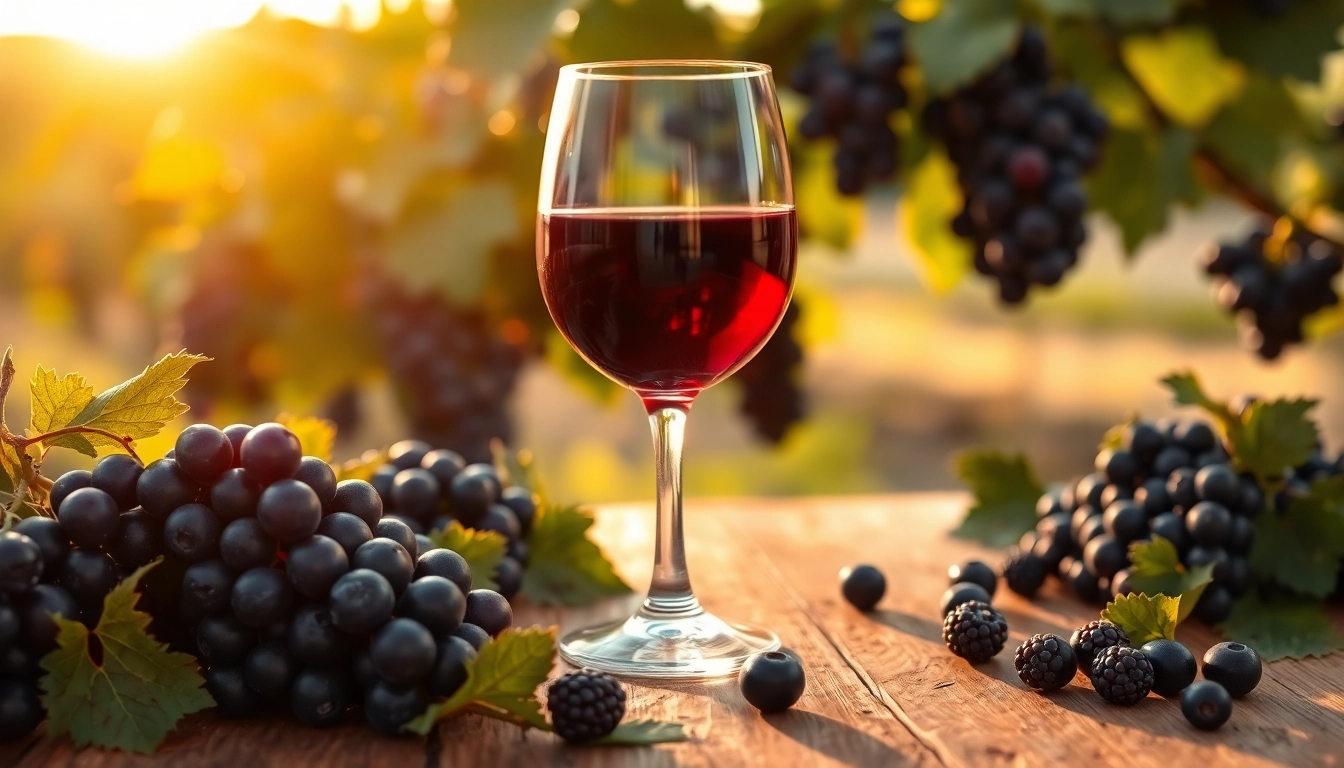
One of the defining characteristics of Sacramento Wineries is the unique varietals they cultivate. The Sacramento region is particularly known for its robust Zinfandels, crisp Chenin Blancs, and aromatic Viogniers, reflecting the area's diverse terroir. Additionally, Mediterranean varietals such as Barbera and Sangiovese thrive here, showcasing the area’s adaptability in grape growing.
The climate, marked by warm summer days and cooler evenings, enables grapes to develop complex flavors and aromas. Wineries often experiment with lesser-known varietals, offering a captivating array that appeals to adventurous palates. Each winery brings its own philosophy to winemaking, resulting in a plethora of choices that range from traditional to innovative. The focus on small-lot winemaking allows for meticulous attention to detail, showcasing the individual characteristics of each vineyard's terroir.
The Role of Climate in Sacramento Wineries
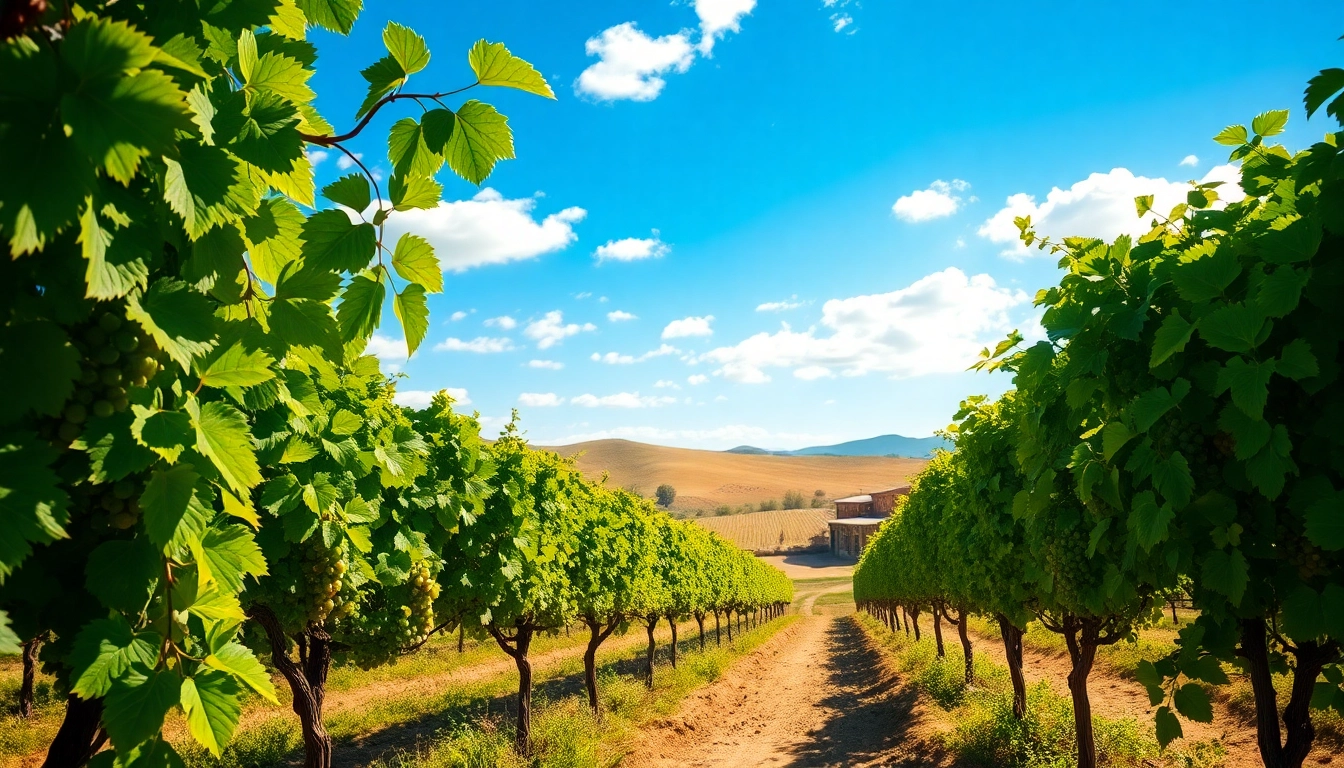
Climate plays a pivotal role in the winemaking process, influencing the taste, aroma, and overall quality of the wines produced. Sacramento’s Mediterranean climate, featuring hot, dry summers and cool, wet winters, is particularly suited for grape growing. The diurnal temperature variation—where daytime temperatures soar and cool-off at night—helps grapes achieve optimal ripeness while retaining their acidity.
Moreover, the soil types found in the Sacramento Valley, ranging from alluvial deposits to sandy loams, contribute to the distinct flavor profiles of the wines. Wineries in the region often implement sustainable farming practices, including dry farming and organic techniques, underscoring their commitment to environmental stewardship while producing high-quality wines.
Top Attractions and Events at Sacramento Wineries
Annual Wine Festivals and Tastings at Sacramento Wineries
Throughout the year, Sacramento Wineries host a variety of events that celebrate the region's rich winemaking heritage. Annual wine festivals are a highlight, featuring local wineries showcasing their best offerings through tastings, food pairings, and educational workshops. Events like the Sacramento Wine & Cheese Festival allow visitors to explore the synergies between local cheeses and wine, enhancing the tasting experience.
In addition, many wineries offer seasonal events such as grape stomps and harvest festivals, inviting guests to participate in the winemaking process. These events not only provide an entertaining experience but also foster a deeper connection between visitors and the wineries. Whether a passionate collector or a casual sipper, there’s something for everyone, encouraging both new and seasoned wine lovers to engage with the local community.
Exclusive Tours Offered by Sacramento Wineries
Many Sacramento Wineries provide exclusive tours that allow guests to explore their vineyards and production facilities. These guided tours often include insightful commentary from knowledgeable staff about the winemaking process, grape varietals, and the history of the winery itself. Some wineries offer behind-the-scenes tours that take visitors from vine to bottle, providing a comprehensive understanding of the nuances involved in crafting exceptional wines.
In addition to traditional vineyard tours, some wineries have begun incorporating innovative experiences, such as blending workshops, where guests can create their own custom blends. These hands-on experiences not only enhance guest engagement but also serve as a memorable takeaway from their visit.
Family-Friendly Activities at Sacramento Wineries
Contrary to the stereotype that wineries are only for adults, many Sacramento Wineries have embraced family-friendly practices, providing activities for all ages. Various wineries have picnic areas and open spaces that invite families to enjoy the serene landscapes while indulging in the winery's offerings.
Some establishments host events specifically designed for families, including grape-themed scavenger hunts and educational workshops that teach children about viticulture and winemaking. This inclusive atmosphere encourages family bonding while fostering an appreciation for wine culture in the younger generation.
Visiting Sacramento Wineries: What to Know Before You Go
Planning Your Trip to Sacramento Wineries
As one of the top wine destinations in California, planning a trip to Sacramento Wineries can be an enjoyable experience if approached strategically. Consider creating an itinerary that includes a mix of well-known and boutique wineries to get a full spectrum of what the region offers. It's advisable to check each winery's website or call ahead to confirm hours of operation, tasting fees, and any special events that might enhance your visit.
Moreover, transportation should be a key consideration. Designating a driver or using ride-sharing apps can help ensure a worry-free experience while savoring the area’s wines. If your party is larger, consider booking a private winery tour service that provides transportation between stops, allowing for a more leisurely exploration.
Tips for Enjoying Tastings at Sacramento Wineries
Maximizing your wine tasting experience involves a few tips and tricks. First and foremost, make sure to pace yourself. Many wineries offer flights of several wines, and it can be tempting to rush through them, but taking your time allows you to appreciate each wine’s characteristics. Swirling, sniffing, and sipping, as well as discussing with your companions or staff, can enhance your understanding of each varietal.
Don’t hesitate to ask questions during tastings; knowledgeable staff are typically passionate about their work and eager to share insights. Also, consider taking notes during tastings, noting down your favorite wines for purchase later or for future reference. Finally, remember to hydrate and enjoy the scenery—there’s more to the experience than just the wine.
Best Local Restaurants to Pair with Sacramento Wineries
An essential element of the wine experience is food pairings. Fortunately, Sacramento boasts a rich culinary scene with options well-suited to accompany local wines. Many wineries have on-site restaurants that focus on farm-to-table cuisine, ensuring that dishes are not only delicious but also highlight seasonal ingredients.
For those looking beyond the winery fare, numerous local eateries are renowned for their wine pairings. From upscale dining to charming bistros, the offerings feature diverse menus that complement the wide range of wines produced in the area. Pairing recommendations often include local dishes that reflect the culture and agricultural bounty of the region, enhancing the overall tasting experience.
Supporting Sustainable Practices at Sacramento Wineries
Eco-Friendly Initiatives of Sacramento Wineries
In an era where sustainability is a growing concern, many Sacramento Wineries are leading the way in eco-friendly practices. From solar panel installations to water conservation techniques, these wineries are committed to minimizing their environmental impact. Adopting sustainable vineyard management practices, including organic farming methods and integrated pest management, helps preserve the natural ecosystems while producing high-quality grapes.
Organic and Biodynamic Farming in Sacramento Wineries
A subset of wineries has embraced organic and biodynamic farming techniques, creating a niche that appeals to health-conscious consumers. Organic farming eliminates synthetic pesticides and fertilizers, relying on natural alternatives to maintain soil health and grape quality. Biodynamic practices extend this philosophy; they involve treating the vineyard as a self-sustaining ecosystem, incorporating lunar cycles and natural preparations to enhance growth and vitality.
The Importance of Supporting Local Sacramento Wineries
Supporting local Sacramento Wineries is crucial not only for the economy but also for preserving the character and culture of the region. When consumers choose local wines, they are investing in sustainable practices, contributing to the community's well-being, and fostering biodiversity. Moreover, local wineries often provide unique products that cannot be replicated elsewhere, enhancing the overall profile of the area as a wine destination.
The Future of Sacramento Wineries
Innovations in Winemaking at Sacramento Wineries
The landscape of winemaking is continually evolving and Sacramento Wineries are embracing innovation to stay ahead. New technologies in vineyard management and winery operations are enhancing efficiency and consistency in wine production. Techniques such as precision viticulture—utilizing data to make informed decisions about vineyard care—are gaining traction, allowing wineries to optimize grape quality and yield.
Emerging Trends in the Sacramento Wineries Market
Emerging trends within the Sacramento Wineries market indicate a growing interest in alternative packaging solutions, such as cans and kegs, catering to the preferences of younger consumers. Experiences like wine memberships and online sales are also on the rise, reflecting changing consumer behavior as the digital shift in retail continues to grow. Additionally, collaborations between wineries and local artisans, such as cheese producers and chocolate makers, are becoming increasingly common, enriching the overall tasting experience.
What’s Next for Sacramento Wineries
Looking forward, Sacramento Wineries stand at the intersection of tradition and innovation. As they hone their craft amidst growing environmental concerns, wineries are also adapting to the evolving tastes of consumers who prioritize sustainability and unique experiences. Efforts to diversify their offerings while maintaining quality will solidify their position within the broader wine community. As this dynamic landscape unfolds, Sacramento Wineries will continue to enchant wine lovers and remain a cornerstone of California’s viticultural legacy.