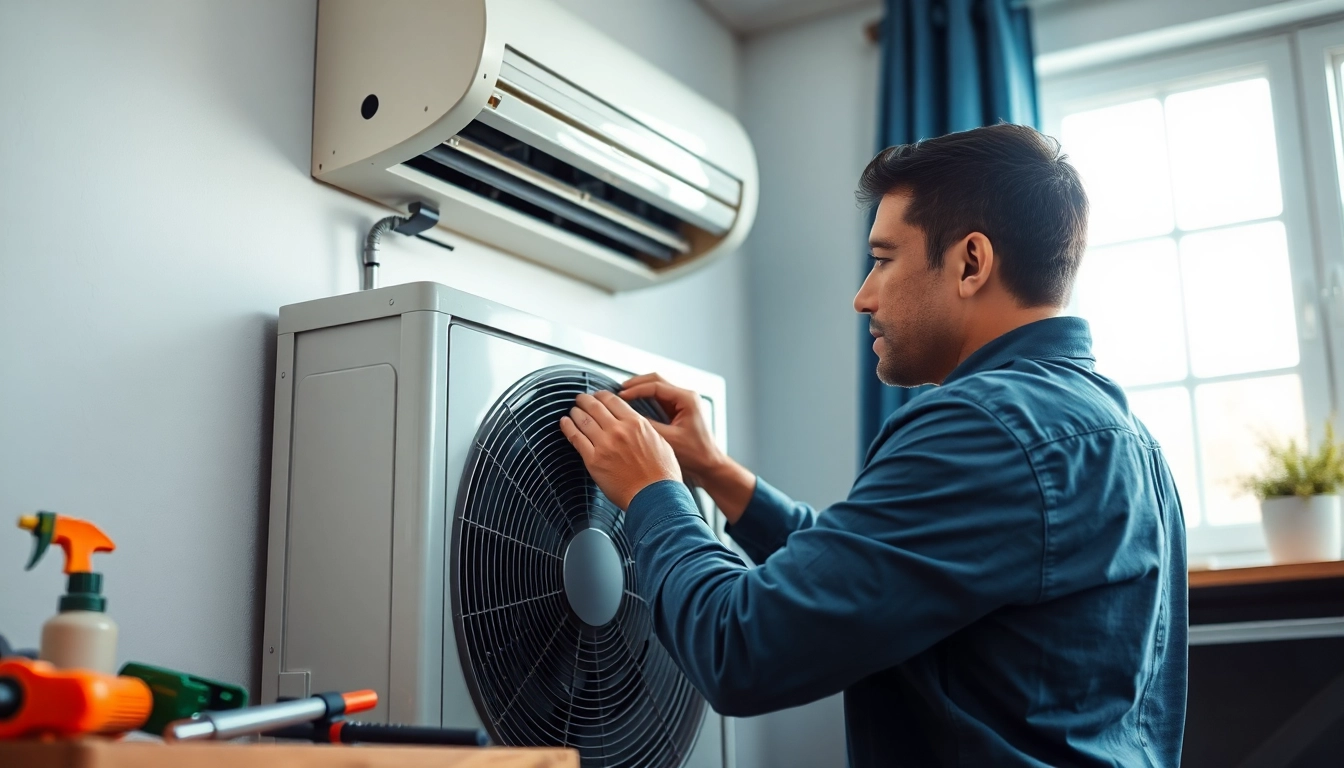
Understanding HVAC Systems
Heating, ventilation, and air conditioning (HVAC) systems are pivotal for maintaining a comfortable indoor environment, particularly in regions with extreme weather conditions. Whether it's keeping the chill out during winter or ensuring a cool breeze in the summer, an efficient HVAC system does it all. Understanding the components, types, and maintenance benefits is essential for homeowners to enhance comfort and efficiency. If you're looking to explore more about HVAC services, consider checking out https://nobleheatingairservices.com.
Components of HVAC Systems
An HVAC system comprises several core components, each playing a crucial role:
- Heating Equipment: This may include furnaces, heat pumps, or boilers that produce heat using electricity, gas, or oil.
- Cooling Equipment: Air conditioners or chillers remove heat from the air to provide a cooling effect.
- Ventilation Components: Ducts, fans, and vents facilitate the circulation of air throughout the space, ensuring fresh air and temperature regulation.
- Thermostats: These devices allow users to set and control the desired temperature, acting as the brain of the HVAC system.
- Refrigerants: Essential for cooling, they absorb heat from indoor air and release it outside, working in tandem with cooling equipment.
Types of HVAC Systems
HVAC systems can be categorized into various types, each tailored to different needs and preferences:
- Split Systems: These standard systems consist of an indoor and outdoor unit, making them suitable for heating and cooling homes efficiently.
- Packaged Systems: Ideal for smaller spaces, these systems combine heating and cooling in one package, installed outside the home.
- Ductless Mini-Split Systems: These systems offer flexibility to condition individual rooms without the need for ductwork, perfect for retrofits.
- Geothermal Systems: Using ground or water sources for heating and cooling, these systems are energy-efficient though involve a more significant initial investment.
Benefits of Proper HVAC Maintenance
Routine maintenance of HVAC systems is often overlooked, yet it plays a significant role in ensuring efficiency and longevity:
- Improved Efficiency: Regular maintenance ensures the system operates at peak performance, reducing energy consumption.
- Extended Lifespan: Just like any other machinery, routine checks and repairs can significantly extend the life of an HVAC system.
- Enhanced Air Quality: Clean filters and well-maintained ducts contribute to improved indoor air quality, promoting better health for occupants.
- Cost Savings: Preventative measures often result in lesser repair costs compared to emergency fixes due to lack of maintenance.
Common HVAC Issues
While modern HVAC systems are built to last, several issues may arise, affecting functionality and comfort levels. Identifying these problems early can prevent extensive damage and costly repairs.
Identifying Air Conditioning Problems
Air conditioning issues are often apparent through various signs:
- Inadequate Cooling: If your AC doesn’t effectively cool your space, it may indicate a refrigerant leak or a malfunctioning compressor.
- Strange Noises: Unusual sounds, such as grinding or squealing, can suggest loose parts or worn-out components.
- Unpleasant Odors: Musty or burning smells can indicate mold growth or electrical issues within the system.
Common Heating System Failures
Heating systems can also encounter significant issues. Some signs to watch for include:
- No Heat: A complete lack of heat can indicate a failed thermostat, pilot light issue, or a malfunctioning blower.
- Inefficient Heating: If certain rooms are cooler than others, you may have duct obstructions or issues with the heat exchanger component.
- Frequent Cycling: If your system continually turns on and off, it could stem from a faulty thermostat or air filter blockage.
How to Troubleshoot HVAC Issues
When dealing with HVAC problems, performing initial troubleshooting can save time and money:
- Check the Thermostat: Ensure that it's set correctly and functioning. Replace batteries if necessary.
- Inspect Filters: Dirty filters can impede airflow. Cleaning or replacing them regularly is essential.
- Examine Ducts: Look for blockages or leaks that might affect efficiency and airflow.
Best Practices for HVAC Installation
Installing a new HVAC system is a significant investment. Proper installation ensures optimal performance and longevity.
Choosing the Right System
Selecting the appropriate HVAC system tailored to your needs involves several considerations:
- Size: The system must be appropriately sized based on the square footage and layout of your home—too big or too small can lead to inefficiencies.
- Energy Efficiency Ratings: Look for systems with a high Seasonal Energy Efficiency Ratio (SEER) rating to enjoy lower energy bills.
- Climate Considerations: The local climate will significantly influence what type of systems work best in your area.
Installation Steps for Optimal Performance
Empowering yourself with knowledge of the installation process can help ensure everything is done correctly:
- Assess Your Home: Preparing the infrastructure involves inspecting ducts, existing systems, and layout constraints.
- Conduct Manual J Load Calculations: This determines the heating and cooling load, ensuring the chosen system fits specific needs.
- Proper Ductwork Installation: Any ductwork should be insulated and sealed correctly to prevent energy losses.
Importance of Professional Installation
While DIY installations might seem cost-effective, the benefits of professional installation include:
- Expertise: Professionals understand the complexities of HVAC systems and installation requirements.
- Warranty Protection: Many manufacturers require professional installation for warranty validity.
- Compliance with Local Codes: Professionals ensure all installations comply with local regulations.
Energy Efficiency in HVAC
Improving the energy efficiency of your HVAC system is not only beneficial for the environment but also results in considerable savings.
Assessing Energy Rating Standards
Familiarizing yourself with energy rating systems can help you make informed decisions:
- SEER Ratings: This metric measures cooling efficiency, with higher numbers indicating better energy performance.
- AFUE Ratings: Annual Fuel Utilization Efficiency ratings show how effectively a heating system converts fuel to heat.
- ENERGY STAR Labels: Products bearing this label are certified to meet energy efficiency guidelines set by the U.S. Environmental Protection Agency (EPA).
Upgrading to Energy-Efficient Systems
Over time, older systems can become less efficient. Upgrading offers numerous advantages:
- Lower Energy Bills: Newer systems consume significantly less energy compared to their predecessors.
- Improved Comfort: Modern systems provide better temperature control and air quality.
- Environmental Benefits: Energy-efficient systems reduce greenhouse gas emissions and the carbon footprint.
Cost Savings from Energy Efficiency
The financial benefits of enhanced energy efficiency can be substantial:
- Incentives and Rebates: Many utility companies offer rebates for installing energy-efficient systems.
- Lower Operating Costs: Higher efficiency directly correlates with decreased monthly energy consumption and costs.
- Long-Term Savings: While the initial investment may be higher, savings over the years make energy-efficient systems a wise choice.
Maintaining Your HVAC System
Continuous upkeep is vital in maintaining HVAC systems for longevity and optimal performance.
Essential Maintenance Tasks to Perform
Regular maintenance tasks to incorporate into your routine include:
- Changing Filters: Replace or clean filters monthly or as recommended to maintain airflow and efficiency.
- Cleaning Coils: Dirt buildup can hinder performance; ensure coils are cleaned regularly to maintain efficiency.
- Inspecting Ducts: Check for leaks and obstructions, and schedule cleaning if necessary.
Signs Your HVAC Needs a Professional Check-Up
There are certain signs that indicate it’s time to call in the professionals:
- Inconsistent Temperatures: Noticeable temperature variations between rooms can indicate duct or system issues.
- Excessive Noise: Sounds outside of normal operation could be a sign of wear or mechanical failure.
- High Energy Bills: A significant spike in energy costs can indicate inefficiencies that require addressing.
Seasonal Tips for HVAC Care
Seasonal maintenance can help ensure your HVAC system functions optimally throughout the year:
- Spring: Schedule an AC tune-up and clean the outside unit to prepare for warmer months.
- Fall: Check and maintain the heating system to ensure it's ready before winter sets in.
- Year-Round: Regularly monitor your system’s performance and address any odd noises or inefficiencies promptly.