Understanding the Role of a Plumber North Shore
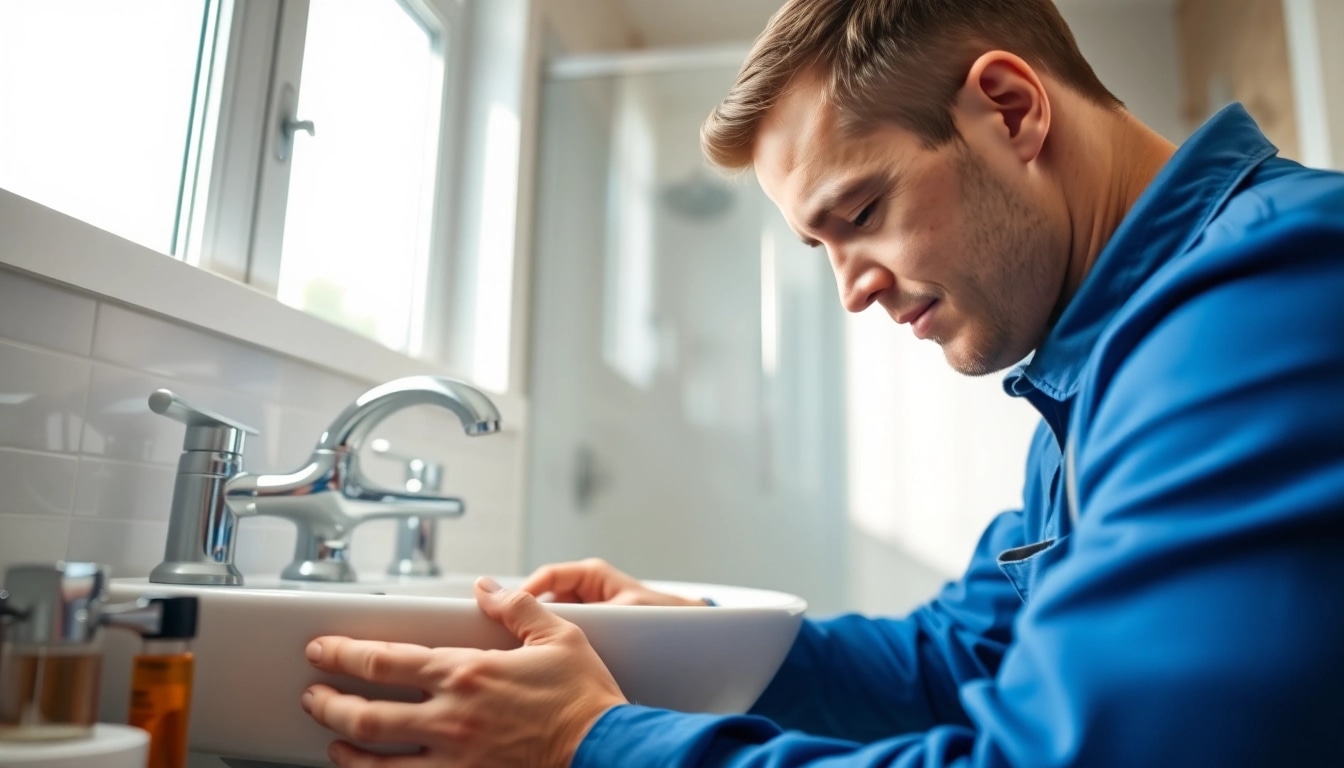
When it comes to maintaining a comfortable and functional home, the importance of a skilled plumber north shore cannot be overstated. Plumbing is a vital aspect of any residence, responsible for ensuring the safe and efficient movement of water throughout a home. A professional plumber not only fixes leaks and clogs but also provides invaluable advice on maintenance, necessary repairs, and the installation of modern plumbing fixtures. Understanding what plumbing entails can help homeowners appreciate the significance of hiring qualified plumbing professionals.
Why Plumbing Matters for Homeowners
Plumbing issues can arise unexpectedly and may lead to significant disruptions in daily life. Understanding the critical role of plumbing is essential for homeowners:
- Health and Safety: Improper plumbing can lead to water contamination and sanitation problems, posing health risks to your family.
- Property Value: Properly maintained plumbing systems can increase your home's value, while poorly functioning systems can decrease it.
- Cost Efficiency: Regular plumbing maintenance can reduce the likelihood of major repairs, saving homeowners money in the long run.
Types of Plumbing Services Offered
A plumber north shore offers a wide range of services tailored to meet various needs:
- Installation: This includes setting up pipes, fixtures, and appliances like sinks, toilets, and water heaters.
- Repair: From minor leaks to comprehensive pipe replacements, plumbers handle all types of repairs efficiently.
- Maintenance: Regular inspections and routine maintenance ensure plumbing systems operate smoothly, preventing costly issues.
- Emergency Services: Emergency plumbing services are vital for urgent situations, such as burst pipes or significant leaks that require immediate attention.
How to Choose a Qualified Plumber North Shore
Selecting a qualified plumber is crucial for ensuring quality service. Here are some tips for homeowners:
- Check Credentials: Ensure the plumber is licensed and insured to operate in your area.
- Read Reviews: Look for testimonials or reviews from previous clients to gauge their reputation and quality of work.
- Compare Estimates: Get quotes from multiple plumbers to ensure you receive a fair price for the services needed.
- Ask About Experience: Inquire about their experience with the specific plumbing issues you are facing.
Common Plumbing Issues on the North Shore
Homeowners on the North Shore may encounter specific plumbing issues that require immediate attention. Understanding these common problems can help in early identification and resolution.
Leak Detection and Repair Techniques
Leaks can occur in various parts of the plumbing system, and detecting them early is critical. Common methods used in leak detection include:
- Visual Inspection: Look for damp spots, mold, or water stains, indicating potential leaks.
- Listening Devices: Plumbers often use specialized devices to detect sounds of dripping water behind walls.
- Pressure Testing: This involves sealing the plumbing system and checking for pressure drops that indicate a leak.
Once identified, repairs may include resealing joints or replacing damaged pipes, which a qualified plumber manages swiftly.
Drain Cleaning: Methods and Importance
Maintaining clear drains is paramount to prevent blockages. Here are common methods used for drain cleaning:
- Snake Technique: A plumber’s snake is a flexible tool that can break through or remove clogs.
- Hydro Jetting: High-pressure water jets can effectively clear out buildup and debris from the pipes.
- Enzyme Cleaners: These are environmentally friendly chemicals that help break down organic matter in the pipes.
Regular drain cleaning not only ensures smooth operation but also extends the life of the plumbing system.
Water Heater Troubleshooting and Maintenance
Water heaters are essential for daily tasks, and when they malfunction, it can affect the entire household. Troubleshooting can include the following steps:
- Checking the Power Supply: Ensuring that the water heater is correctly plugged in and operational.
- Inspecting the Thermostat: A malfunctioning thermostat can cause inconsistent water temperatures.
- Flushing the Tank: Regular flushing helps remove sediment buildup, which can affect efficiency and heating.
Regular maintenance of water heaters leads to improved efficiency and lifespan.
Preventative Plumbing Maintenance Tips
Preventative maintenance is the best way to avoid significant plumbing issues that can be costly and disruptive. Here are practical tips homeowners can follow:
Routine Checks to Avoid Major Repairs
Conducting routine checks can help identify potential problems early. Key practices include:
- Inspecting Visible Pipes: Regularly check for signs of corrosion or leaks.
- Monitoring Water Bills: Unexplained increases may indicate leaks.
- Testing Water Pressure: High water pressure can lead to pipe burst; a pressure gauge can help monitor levels.
Seasonal Plumbing Care for North Shore Homes
Different seasons pose unique challenges for plumbing. Here are seasonal care tips:
- Winter: Insulate exposed pipes to prevent freezing.
- Spring: Clear gutters and downspouts to protect the foundation from water accumulation.
- Summer: Check irrigation systems and hoses for leaks.
- Fall: Drain and store garden hoses before frost sets in.
Installing Efficient Fixtures for Long-term Savings
Investing in efficient plumbing fixtures can lead to significant water savings:
- Low-Flow Toilets: These toilets use significantly less water per flush while maintaining performance.
- Faucet Aerators: Easy to install, aerators reduce water flow without affecting pressure.
- Water-Saving Showerheads: These fixtures maintain spray pressure while using less water.
These efficiency upgrades can lead to reduced water bills and less environmental impact.
Emergency Plumbing Services: What to Do
Knowing how to handle plumbing emergencies can save homeowners time and money. Here’s a guide on addressing urgent plumbing situations:
Identifying Plumbing Emergencies on the North Shore
Some plumbing situations require immediate attention. Common emergencies include:
- Burst Pipes: Causing significant water damage and flooding.
- Severe Leaks: Prompt action is required to prevent further damage.
- Blocked Toilets: Especially if it's the only toilet in the house.
Steps to Take Before Help Arrives
In emergencies, there are crucial steps homeowners should take while awaiting professional help:
- Shut Off the Water Supply: This can minimize damage in case of leaks or bursts.
- Contain Water: Use towels or buckets to prevent standing water and reduce damage.
- Evaluate the Situation: Assess the problem and gather information for the plumber when they arrive.
Common Emergency Plumbing Solutions
When emergencies arise, understanding some immediate solutions can help mitigate damage:
- Using Pipe Sealants: Temporary solutions for small leaks until professional help can be accessed.
- Plumber’s Tape: Quick fixes for pipe connections to reduce leaks.
- Drain Cleaning Solutions: For blocked drains, using plungers may provide temporary relief.
FAQs About Plumbing on the North Shore
What should I do if I have a plumbing leak?
If you discover a leak, shut off the water supply immediately and contact a qualified plumber to assess the damage and make repairs.
How can I prevent my pipes from freezing in winter?
Insulating exposed pipes and allowing faucets to drip slightly can help prevent freezing. Keep your home warmed during extremely cold spells.
What are the signs my water heater needs repair?
Look for signs such as inconsistent water temperatures, unusual noises, or leaking water around the unit, indicating the need for professional inspection.
How often should I have my plumbing inspected?
It's recommended to have a plumbing inspection at least once a year to ensure everything is functioning correctly and to catch any potential issues early.
What makes a plumber qualified for service in my area?
A qualified plumber should have the necessary licensing, insurance, and experience with the specific plumbing issues typically encountered in your area.