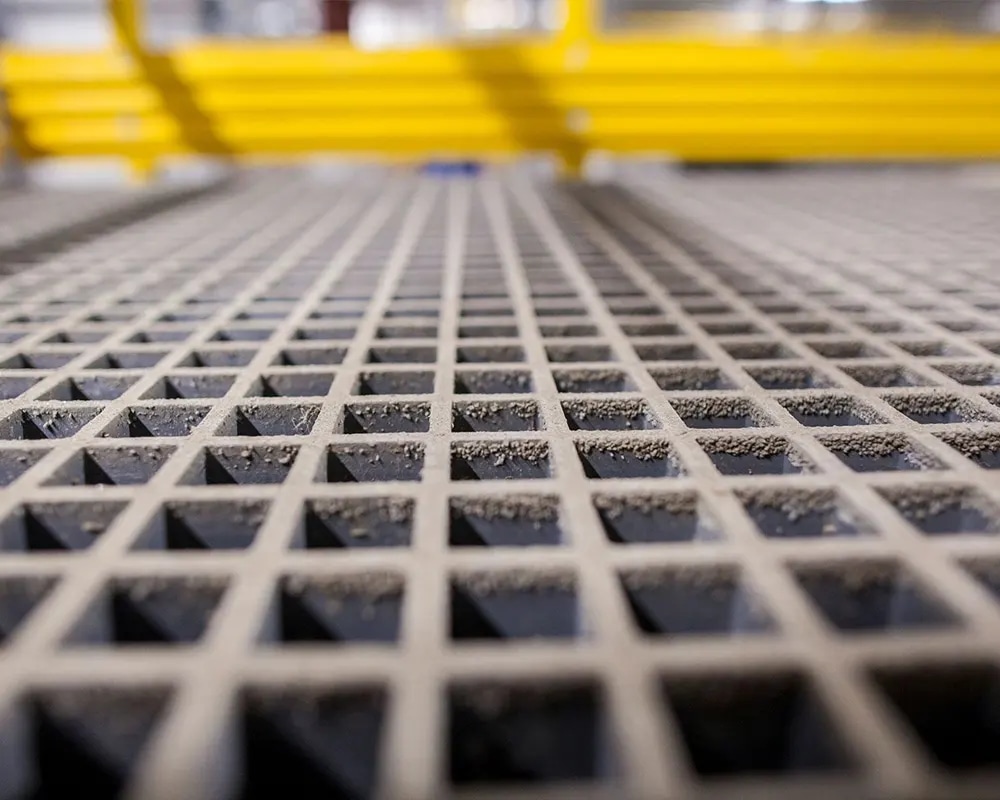
Modern industries require flooring solutions that can withstand heavy loads, harsh environments, and demanding day-to-day operations. Traditional materials like steel and timber often fail to meet long-term performance expectations due to rust, corrosion, high maintenance costs, and safety concerns. This is where advanced composite technology steps in—offering durable, lightweight, and highly versatile alternatives designed for modern infrastructure.
Among the most trusted solutions today is GRP Grating (Glass Reinforced Plastic Grating). Made from high-strength glass fibres and thermosetting resins, it has become the preferred choice across industrial, commercial, and marine sectors. In this comprehensive guide, we explore the full range of GRP flooring systems, their applications, advantages, technical properties, and how they outperform traditional options.
Whether you’re upgrading an existing facility or designing a new project from scratch, understanding these systems will help you select the best, safest, and most cost-effective solution available.
What Makes GRP Flooring Systems Unique?
The superiority of GRP flooring solutions lies in the unique blend of mechanical strength, chemical resistance, safety features, and long-term economic value. Businesses worldwide are transitioning to composite-based gratings because they solve common issues associated with metal and timber.
Here’s what sets them apart:
1. Remarkable Corrosion Resistance
Unlike steel, which corrodes under exposure to chemicals, moisture, or saltwater, GRP platforms retain their structural integrity for decades. This makes them ideal for coastal regions, chemical plants, marine structures, water treatment facilities, and industrial zones.
2. Lightweight but Incredibly Strong
GRP panels offer outstanding strength-to-weight ratios, making installation faster and more cost-efficient. Teams can transport and handle panels without needing cranes or heavy lifting equipment.
3. Slip-Resistant Surface for Enhanced Safety
Many systems include an integrated quartz-grit surface that provides exceptional slip resistance, even when wet or oily. This makes GRP walkways safer in high-risk environments such as offshore sites, manufacturing plants, and transport sectors.
4. Electrically Non-Conductive
Because these systems do not conduct electricity, they are ideal for areas near power stations, substations, or electrical equipment. Workers benefit from enhanced protection against shocks and electrical hazards.
5. Fire-Retardant and Weather-Resistant
Many GRP solutions can be manufactured with fire-retardant resins compliant with high safety standards. They also resist UV radiation, extreme weather, and temperature fluctuations better than most materials.
Types of GRP Flooring Solutions We Provide
Our extensive range of flooring and walkway solutions is engineered to withstand the toughest industrial conditions. Below is a breakdown of the most popular options we offer and what makes each one suitable for various applications.
1. Moulded Composite Gratings
Moulded variants are reinforced with continuous glass fibres arranged in a matrix that distributes load evenly. These gratings are ideal for environments where both strength and impact resistance are critical.
Where They Excel
- Marine and offshore installations
- Water treatment plants
- Wet and slippery surfaces
- Chemical processing environments
- High-traffic walkways and platforms
Key Benefits
- Excellent slip resistance
- High chemical resistance
- Resilient against impact and shocks
- Long service life with minimal maintenance
Moulded options are best for corrosion-prone environments where long-lasting durability is essential.
2. Pultruded Composite Gratings
Pultruded options are created using continuous fiberglass strands that run lengthwise, making them extremely strong and suitable for long spans or heavy loads.
Best Applications
- Industrial loading areas
- Architectural flooring
- Heavy machinery platforms
- Areas requiring wider spans
Advantages
- Superior stiffness and stability
- Exceptional load-bearing capacity
- Longer spans with fewer supports
- Ideal for industrial-grade flooring systems
These gratings are particularly suited for projects where structural strength and rigidity are top priorities.
3. GRP Solid Top Gratings
For environments needing a fully enclosed, anti-slip, and leak-resistant surface, solid-top flooring is a perfect choice.
Common Uses
- Food processing facilities
- Public walkways
- Commercial decks
- Rooftop platforms
Highlights
- Prevents small object fall-through
- Provides a smooth yet safe surface
- Supports heavy loads
- Resistant to weather, chemicals, and impact
This option is preferred in areas requiring hygienic, enclosed, and stable flooring surfaces.
4. Mini Mesh GRP Flooring
This variant includes smaller openings ideal for pedestrian areas, public spaces, and facilities needing added safety and comfort.
Applications
- Schools, parks, and leisure spaces
- Access ramps and platforms
- Railway stations
- Public walkways
Benefits
- Small aperture reduces trip hazards
- Comfortable for foot or wheelchair traffic
- Strong anti-slip properties
- Weatherproof and durable
Mini mesh solutions offer a blend of safety, aesthetics, and performance.
Industrial Applications of GRP Flooring Solutions
Industries across the globe rely on advanced GRP systems for their durability and long-term efficiency. Below are major sectors using these products extensively.
1. Marine and Offshore Sectors
Exposure to saltwater typically leads to rapid corrosion in metal structures. Composite gratings, however, maintain their integrity and safety in these harsh conditions.
Ideal Marine Uses
- Boat landings
- Pontoons
- Jetties
- Offshore platforms
- Coastal walkways
Their anti-slip surface also ensures safety during wet and stormy conditions.
2. Water Treatment and Utilities
Water treatment environments demand flooring solutions that can handle chemicals, moisture, and heavy foot traffic. GRP gratings excel in these settings due to their chemical resistance and long lifespan.
Common Utility Applications
- Pumping stations
- Sewage plants
- Filtration facilities
- Service walkways
- Inspection platforms
3. Industrial Manufacturing
Manufacturing floors experience vibrations, machinery load, chemical spills, and high traffic. Composite solutions provide a robust and safe platform for such conditions.
Applications
- Assembly lines
- Machine platforms
- Chemical zones
- Maintenance walkways
4. Rail and Transport Industry
Safety is critical in transport hubs. With their slip-resistant surface and lightweight installation benefits, composite flooring systems are ideal for:
- Station access platforms
- Trackside walkways
- Inspection pits
- Maintenance areas
5. Construction and Infrastructure
From rooftops to bridges and inspection platforms, GRP flooring systems play a vital role in modern infrastructure development.
Construction Uses
- Maintenance routes
- Roof access systems
- Temporary construction walkways
- Catwalks and elevated platforms
Long-Term Value: A Smart Investment for Every Industry
Composite flooring is not just a temporary convenience—it’s a long-term asset. With a lifespan often exceeding 20 years, businesses enjoy reliability, safety, and reduced operational costs throughout its use cycle.
Other long-term advantages include:
- Lower transport emissions due to lightweight materials
- Reduced installation time
- Sustainable properties and recyclability
- No requirement for hot works permits during installation
FAQs
What makes GRP Grating better than traditional steel flooring?
GRP solutions offer superior corrosion resistance, lightweight handling, non-conductivity, and long-term durability. They do not rust or require repainting, making them more cost-effective than steel.
Can GRP floors handle heavy industrial loads?
Yes. Pultruded variants are engineered to support heavy loads and long spans. They perform exceptionally well in manufacturing facilities, loading zones, and heavy-duty industrial environments.
Are GRP systems suitable for outdoor use?
Absolutely. They are UV-resistant, weatherproof, and unaffected by moisture or saltwater. This makes them perfect for marine, coastal, and outdoor applications.