Overview of Austin Construction Landscape
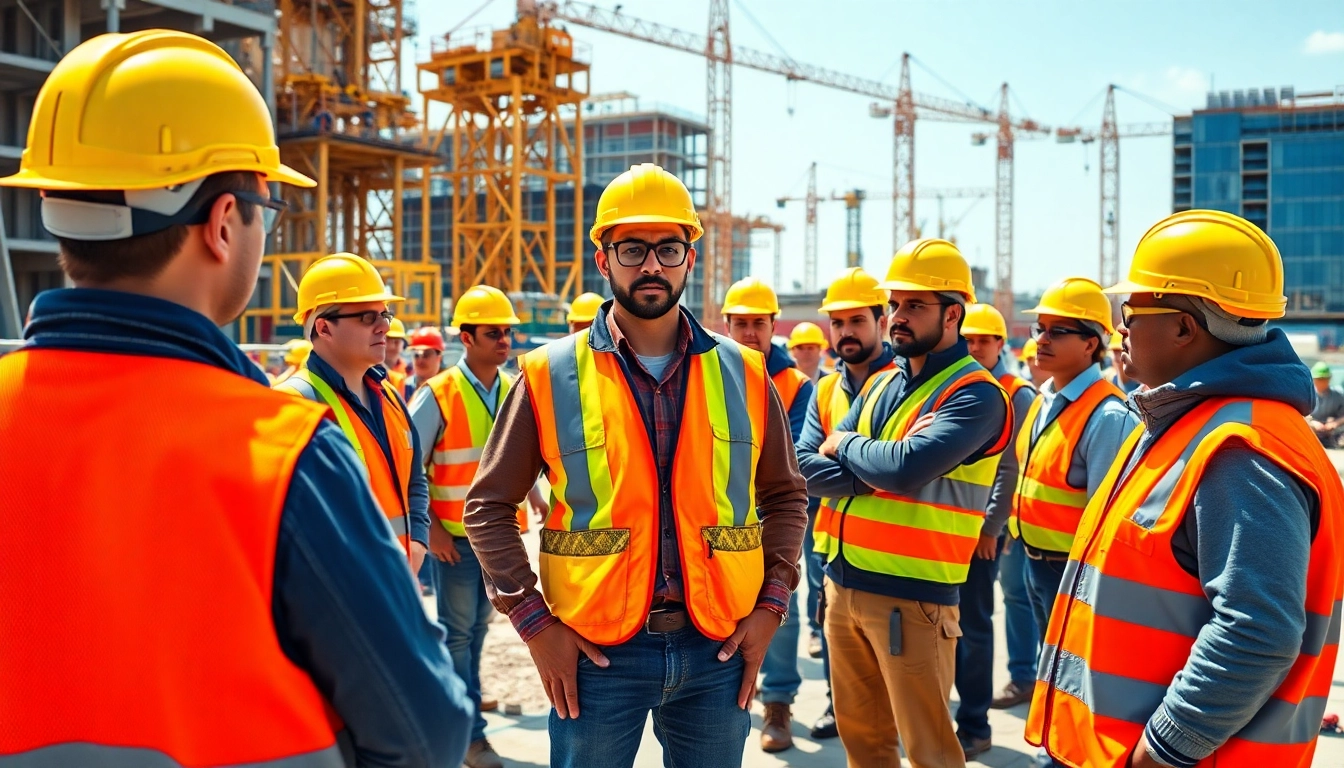
Austin's construction landscape is ever-evolving, reflecting not only the city's rapid growth but also its unique cultural and environmental context. As a vibrant hub for technology, music, and arts, the demand for both residential and commercial spaces continues to surge, making Austin construction a critical facet of urban development. In this article, we will delve into various dimensions of the Austin construction scene, emphasizing effective strategies, regulatory environments, and innovative trends that shape its future.
Understanding Austin's Construction Market
The Austin construction market is characterized by its diversity and dynamism. The city has seen significant population growth, which directly correlates with an increase in housing and commercial projects. Understanding this market involves analyzing various factors, including economic indicators, demographic shifts, and urban planning initiatives.
The types of construction projects vary widely, from single-family homes in suburban areas to high-rise condominiums in the urban core, as well as state-of-the-art commercial spaces catering to tech companies. Additionally, the market has embraced innovative practices that emphasize sustainability and cost efficiency.
Critical Regulations Impacting Construction
Compliance with local regulations is fundamental for any construction project in Austin. The city has established stringent guidelines covering zoning, building codes, environmental protections, and safety standards. The Austin City Council frequently reviews these regulations to adapt to the city's growth. Builders and developers must navigate these rules effectively to avoid delays and additional costs.
Obtaining the necessary permits and adhering to the city's comprehensive plan are essential steps in ensuring that projects align with broader urban development goals, including infrastructure improvements and environmental sustainability.
Key Players in the Industry
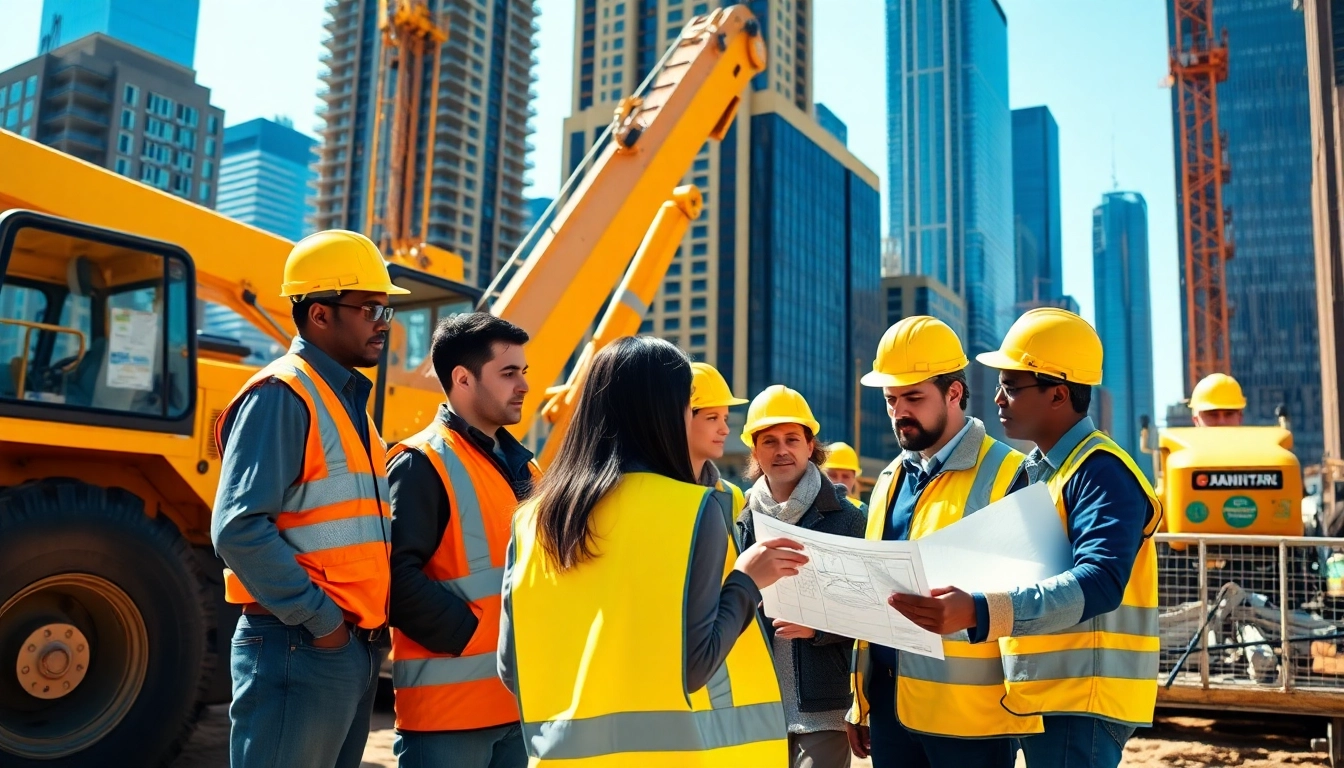
The Austin construction industry features a plethora of participants, ranging from small local contractors to large-scale construction firms. Developers, architects, and subcontractors play crucial roles in initiating and executing projects. Collaboration among these key players is vital to ensure seamless execution and adherence to the project timeline and budget. Additionally, various trade organizations and professional associations offer resources, networking opportunities, and advocacy to support industry growth.
Popular Construction Styles in Austin
Austin's architectural landscape is as eclectic as its population, showcasing a blend of styles that reflect the city's history and culture. From modern minimalist forms to rustic Texas designs, various influences shape the way structures are built.
Modern Residential Designs
Contemporary residential designs dominate new housing projects in Austin, characterized by open floor plans, large windows for natural light, and integration with outdoor living spaces. Many architects are embracing a minimalist aesthetic, with clean lines and a focus on functionality. These developments often incorporate advanced technologies for energy efficiency and smart homes, appealing to eco-conscious buyers.
Sustainable Building Practices
As environmental awareness grows, sustainable building practices have become pivotal in Austin's construction projects. Builders are increasingly adopting green materials, energy-efficient systems, and water conservation strategies. Initiatives like LEED certification and the use of reclaimed materials are just a few ways the industry aims to reduce its environmental footprint.
Furthermore, the integration of solar panels and rainwater collection systems are becoming standard features in new constructions, enhancing sustainability while lowering utility costs for homeowners.
Commercial Construction Trends
The commercial sector in Austin is equally influential, with trends reflecting the tech-driven economy. Mixed-use developments that blend retail, office, and residential spaces are rising in popularity, mirroring a shift towards urban living. These projects prioritize accessibility, community spaces, and environmentally friendly designs, combining urban functionality with aesthetic value.
Moreover, adaptive reuse of existing buildings is gaining traction, allowing developers to breathe new life into historical structures while preserving the city's cultural heritage.
Essential Steps for Successful Austin Construction
Embarking on a construction project in Austin requires careful planning and execution. Success depends on navigating a series of essential steps that lay the foundation for effective project management and sustainability.
Planning and Permitting Process
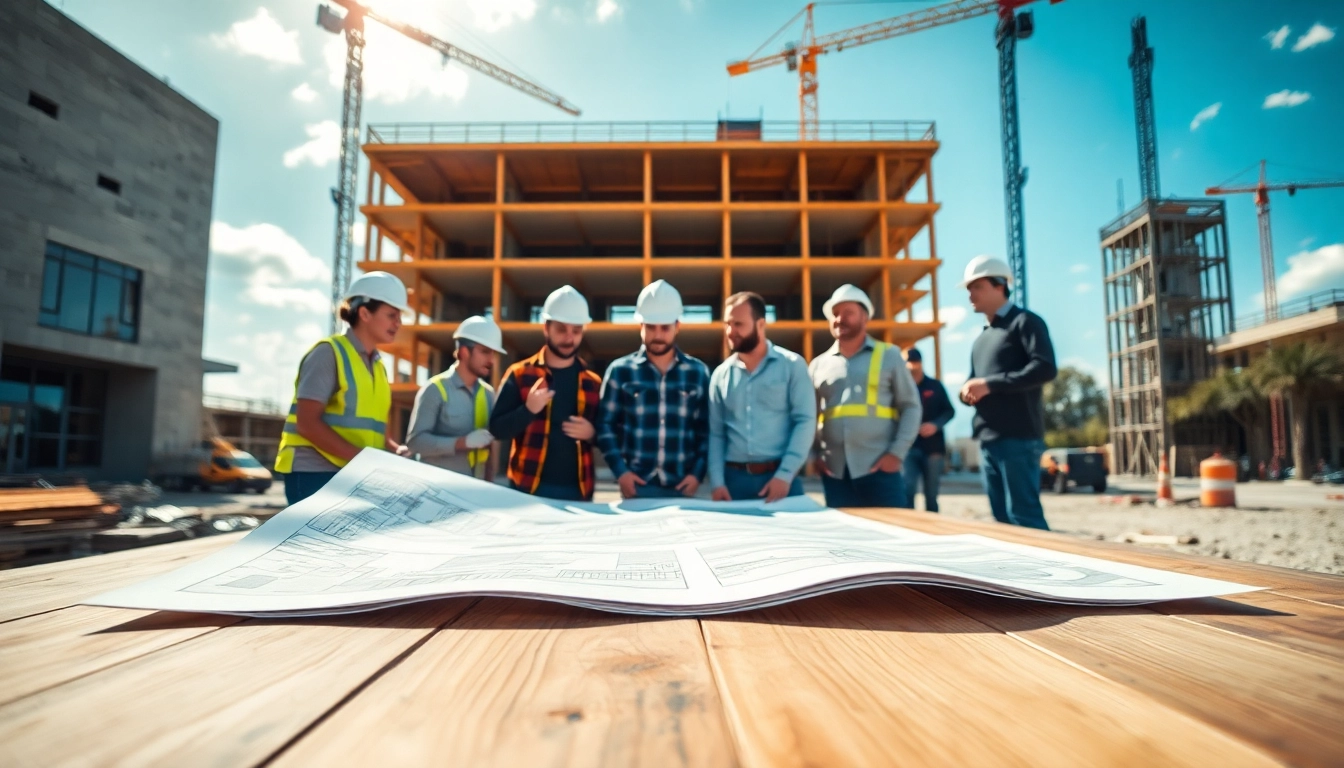
The planning and permitting process is a fundamental phase in any construction project. It involves submitting detailed project plans to local authorities for approval, a process that can often take several months depending on the complexity and scale of the project. Engaging with city planners early in the process can help identify potential hurdles and streamline approval timelines.
After securing the necessary permits, ongoing communication with local agencies ensures compliance with regulations and community standards, helping avoid costly delays during construction.
Choosing the Right Contractors
Selecting skilled contractors is critical to a project's success. Developers should conduct thorough research, assess past work, and seek referrals to find experienced partners. Establishing clear communication about expectations and responsibilities at the outset fosters collaboration and accountability throughout the project lifecycle.
Additionally, understanding financial capabilities and the contractor’s familiarity with local regulations can ensure better alignment with project timelines and budgets.
Cost Estimation and Budgeting
Accurate cost estimation and budgeting are vital for successful construction projects. Stakeholders should develop comprehensive budgets that account for all expenses, including materials, labor, permits, and contingency funds. Collaborating with financial experts can provide insights into potential cost-saving measures while ensuring adherence to financial constraints throughout the project.
Regular budget reviews during construction phases help track spending and adjust plans as needed to maintain financial health and avoid overruns.
Innovations Reshaping Austin Construction
Innovation is at the forefront of Austin's construction industry, leading to improved efficiency, reduced costs, and increased sustainability. As technology advances, construction practices evolve to meet the changing needs of the community.
Smart Home Integration
The rise of smart home technology is transforming residential construction in Austin. Homeowners expect integrated systems that provide control over security, lighting, heating, and even energy management. These innovations not only enhance convenience but also promote sustainability by optimizing energy consumption.
Construction companies are increasingly incorporating smart technologies during the build phase, ensuring compatibility and facilitating future upgrades.
Use of Advanced Materials
Advancements in building materials are reshaping the construction landscape. High-performance materials such as self-healing concrete and insulated concrete forms are gaining traction, enhancing durability and energy efficiency. Additionally, modular construction techniques are becoming more prevalent, allowing for faster builds and reduced waste.
Utilizing recycled and sustainably sourced materials further supports environmental goals while appealing to eco-conscious consumers.
Impact of Technology on Construction Efficiency
Technology plays a crucial role in enhancing construction efficiency. Project management software, Building Information Modeling (BIM), and drones have revolutionized the way construction sites are managed. These tools provide real-time visibility into project progress, streamline communication among stakeholders, and reduce errors through accurate planning and execution.
As these technologies become more accessible, construction firms can leverage them to drive smarter decision-making and improve overall project delivery timelines.
Future of Austin Construction: Opportunities and Challenges
The future of construction in Austin presents both immense opportunities and notable challenges. Stakeholders must remain vigilant and adaptable to navigate this evolving landscape successfully.
Urban Development Trends
Urban development trends indicate a shift towards more dense, mixed-use communities that prioritize walkability and access to public transportation. This trend promotes sustainable living while accommodating a growing population in a compact and efficient manner. Developers are encouraged to focus on collaborative efforts with local governments to create livable environments that meet the needs of diverse populations.
Environmental Considerations
With climate change at the forefront of public consciousness, environmental considerations will continue to shape construction practices in Austin. Stricter regulations regarding emissions, energy efficiency, and sustainable materials will prompt industry players to innovate continually. Conforming to these guidelines can not only enhance project viability but also contribute to the community's long-term resilience.
Affordable Housing Solutions
As the demand for affordable housing increases in Austin, the construction sector faces pressure to devise creative and effective solutions. Developers are exploring various approaches, such as public-private partnerships, incentives for workforce housing, and utilizing modular techniques to lower costs. Balancing affordability with quality and sustainability is essential in addressing the city's housing crisis.
Frequently Asked Questions
What are the key challenges faced in Austin construction?
Key challenges include navigating regulatory approvals, supply chain disruptions, labor shortages, and the rising cost of materials, all requiring effective project management.
How is sustainability being integrated into Austin's construction?
Sustainability is integrated through green building practices, energy-efficient designs, smart home technologies, and the use of sustainable materials to reduce environmental impact.
What types of construction projects are most common in Austin?
Common projects include residential developments, commercial spaces, mixed-use structures, and adaptive reuse of historical buildings, reflecting the city's diverse needs.
How do technology and innovation affect construction efficiency?
Technology enhances construction efficiency through project management tools, BIM, and drone technology, streamlining communication and improving accuracy in planning and execution.
What is the future outlook for affordable housing in Austin?
The outlook is promising as initiatives focus on innovative construction methods, public-private collaborations, and incentives to create more affordable housing options for residents.