Exploring the Vibrant City of Almaty
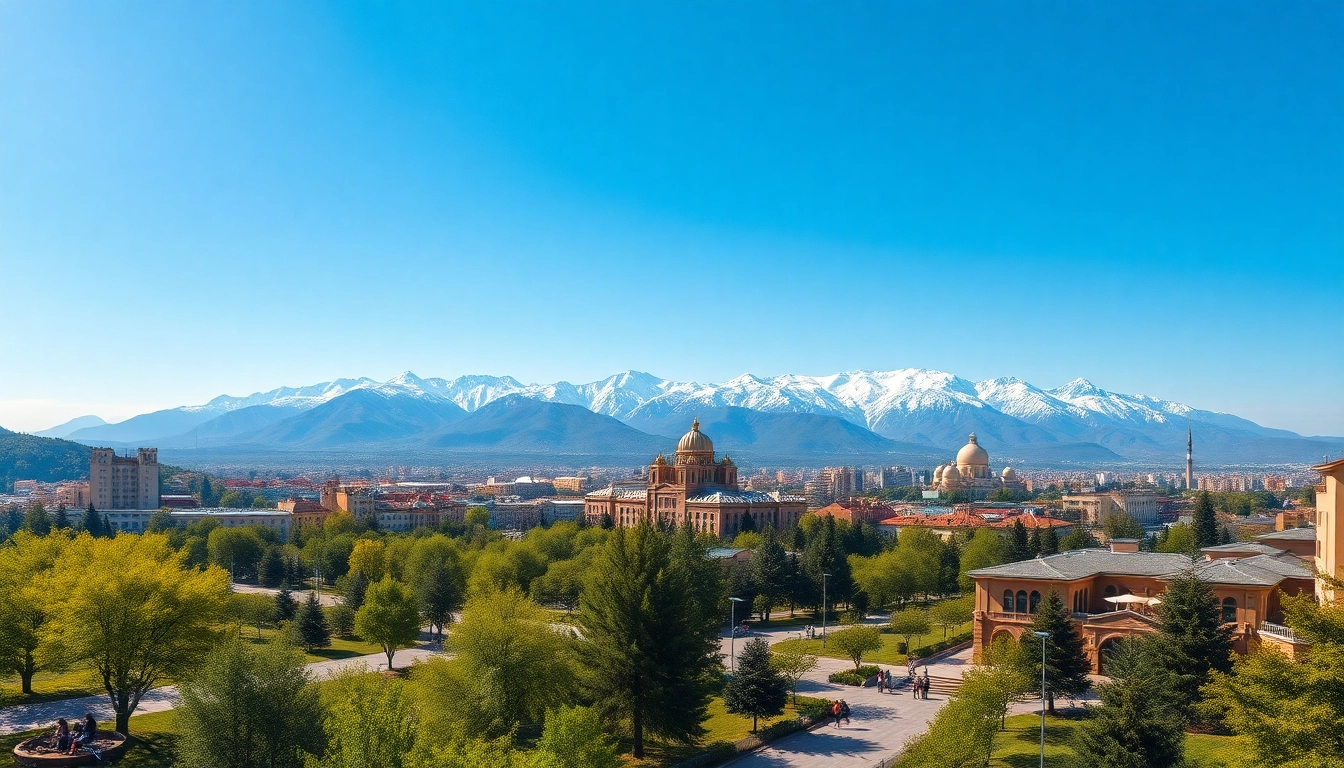
Almaty, also known as Alma-Ata, is the largest city in Kazakhstan, nestled at the foothills of the Trans-Ili Alatau mountain range. With a rich historical background and breathtaking natural beauty, it stands as a dynamic center for culture, economy, and tourism in Central Asia. As you delve deeper into this remarkable city, you will discover the multifaceted layers that contribute to its unique charm. For more extensive insights into Almaty, you can refer to https://albmaftoh.com.
The Historical Roots of Almaty
From Ancient Times to Modern Development
Almaty's history dates back to ancient times, with origins that can be traced to the early Bronze Age. Archaeological discoveries indicate that the area was inhabited as early as 1000 BC. The city was originally known as Alma-Ata, which translates to "Father of Apples," a fitting name given that Kazakhstan is believed to be the birthplace of the wild apple.
During the 19th century, Almaty became a significant trading post along the Silk Road. This positioned the city as an essential hub for the exchange of goods and ideas between East and West. With the establishment of the Soviet regime in the 20th century, Almaty was developed further and became the capital of Kazakhstan until 1997, when the capital was moved to Astana.
A City of Resilience
Almaty has resiliently adapted through various political and economic shifts, including the dissolution of the Soviet Union. Today, the city boasts a blend of modernity and tradition, showcasing Soviet-era buildings alongside new skyscrapers and infrastructure upgrades. This mixture reflects the vibrant and evolving identity of Almaty, making it a fascinating city steeped in history yet looking towards the future.
Almaty's Economic Landscape
A Hub of Innovation and Growth
As the economic powerhouse of Kazakhstan, Almaty contributes significantly to the nation’s GDP. The city is home to various industries, including finance, trade, and manufacturing. The urban environment fosters entrepreneurship and attracts multinational companies, which further enhances its economic landscape.
The financial district in Almaty houses the Kazakhstan Stock Exchange—key to the country's financial services industry. Additionally, the city is developing initiatives like the Almaty Technological Hub, aimed at nurturing innovation and technology startups, fostering growth within the digital economy.
A Tourist Economy
Almaty's economy is significantly bolstered by tourism, with the picturesque natural scenery and diverse cultural offerings attracting visitors year-round. Ecotourism, in particular, has gained traction as travelers explore the nearby Tian Shan mountains, provide a bounty of outdoor activities, from skiing to hiking. The city’s restaurants, shops, and cultural landmarks further enhance its status, making Almaty a sought-after destination for international tourists.
Demographics and Cultural Diversity
A Melting Pot of Cultures
Almaty is characterized by its diverse population, with over 2 million residents representing various ethnic groups, including Kazakhs, Russians, Uighurs, and Koreans. This blend of cultures has enriched the social fabric of the city, creating a unique atmosphere that can be felt through its gastronomy, festivals, and everyday life.
The city celebrates various cultural events, showcasing traditional music, dance, and art forms from different ethnic backgrounds. This cultural diversity is not only a point of pride but also a vital aspect of Almaty's identity, making it a welcoming place for both residents and visitors alike.
Key Attractions in Almaty
Natural Wonders and Parks
Almaty is renowned for its stunning natural scenery. One of the most notable features is the nearby Zailiyskiy Alatau mountain range, which offers various outdoor recreational activities. The Medeu skating rink, located at an altitude of 1,691 meters, is the world's highest ice rink and a popular winter destination. Additionally, the Shymbulak Ski Resort provides facilities for skiing and snowboarding enthusiasts.
The city is also home to several parks, such as the Central Park, which offers serene walking paths, trees, and beautiful landscapes for relaxation and recreation. The botanical garden in Almaty showcases the region's diverse flora, serving as an educational and environmental space for locals and tourists alike.
Cultural Landmarks of Almaty
Almaty's cultural heritage is as rich as its natural surroundings. The Zenkov Cathedral, constructed entirely of wood without the use of nails, stands as a testament to neo-Byzantine architecture and is located in Panfilov Park. The state museum of Kazakhstan is another highlight, preserving the nation's historical artifacts and art collections, providing insight into Kazakhstan's past and present.
Furthermore, the Republic Square, a central gathering place, is surrounded by important governmental buildings and monuments, symbolizing national pride and unity. The city's bustling bazaars, such as Zelenyy Bazaar, offer a vibrant atmosphere where one can experience local culture and sample traditional Kazakh cuisine.
Gastronomic Delights in the City
Almaty’s food scene is an enticing mix of traditional Kazakh fare and modern culinary influences. Iconic dishes such as beshbarmak (boiled meat with noodles) and kuyrdak (fried sheep innards) reflect the country’s nomadic heritage. Visitors can indulge in traditional Kazakh meals in local restaurants and taste delicious pastries and sweets at bakeries.
The city also features a burgeoning café culture, with many establishments offering an array of international cuisines, from Middle Eastern to Italian. This culinary diversity ensures that visitors can experience the flavors of the world right here in Almaty.
Traveling to Almaty
Essential Travel Tips for Visitors
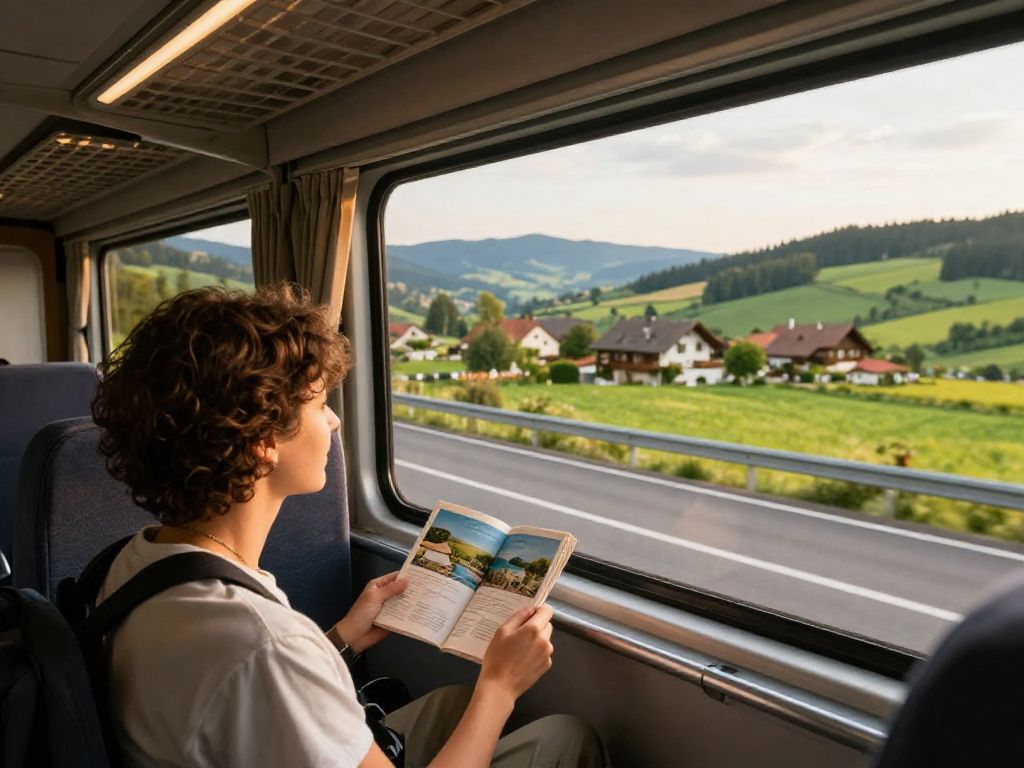
When planning a trip to Almaty, it's crucial to consider a few practical travel tips. English might not be widely spoken outside tourist areas, so having a translation app or learning a few basic phrases in Kazakh or Russian can enhance your experience. Additionally, international travelers should ensure that their passports are valid and check visa requirements before embarking on their journey.
It's advisable to be aware of the local customs and etiquette. For instance, tipping is appreciated in restaurants but not mandatory, and it's customary to greet people with a handshake.
Transportation Options within Almaty
Almaty boasts a well-developed public transportation network, including buses and the metro system, making it easy to navigate the city. Taxi services are also widely available and can be booked through ride-sharing apps. For a more intimate experience, consider renting a bicycle, as many areas of the city are bike-friendly, particularly near parks and recreational spots.
Best Time to Visit Almaty
The best time to visit Almaty generally falls during the spring (April to June) and autumn (September to October) months. During these seasons, the weather is mild, offering ideal conditions for outdoor activities. Summer can be quite hot, while winter provides a picturesque snowy landscape, perfect for winter sports enthusiasts.
Experiencing Local Culture
Festivals and Events in Almaty
Almaty is a city that comes alive with festivals and events throughout the year. The Nauryz Meyrami, celebrated in March, marks the arrival of spring and is a time for families to come together, sharing traditional foods and participating in festivities. The city bursts with songs, dances, and cultural performances during this time.
Another significant event is the Almaty Book World, held annually, which attracts literature enthusiasts and authors from around the world, celebrating the written word through readings, discussions, and workshops.
Traditional Crafts and Modern Influences
Almaty's artisans are known for their traditional crafts, which include intricate embroidery, carpet weaving, and stone carving. Many workshops and markets in the city offer opportunities for visitors to witness these skilled artisans at work and purchase authentic handicrafts. This blend of traditional craftsmanship with modern designs reflects the city's commitment to preserving its heritage while embracing contemporary influences.
Local Cuisine: What to Try in Almaty
Sampling local cuisine is essential when visiting Almaty. Must-try dishes include plov (rice pilaf), manti (dumplings), and chak-chak (a sweet dessert made from fried dough). Street food is also a vital aspect of Almaty's culinary scene, with vendors offering freshly prepared kebabs, fresh fruits, and traditional pastries on every corner. Trying local foods allows visitors to gain a deeper understanding of Kazakhstan's traditions and daily life.
Conclusion and Key Takeaways from https://albmaftoh.com
Recap of Almaty's Unique Features
Almaty stands out as a vibrant city that successfully blends rich historical heritage with modern charm. Its magnificent landscapes, diverse cultures, and a thriving economy create a multifaceted environment that appeals to both locals and visitors. The city's ability to preserve its traditions while embracing innovation is a testament to its resilience and adaptability.
Final Thoughts on Visiting Almaty
Whether you are drawn to Almaty for its stunning natural beauty, rich cultural experiences, or delicious cuisine, it offers something for everyone. Each corner of the city tells a story, inviting exploration and discovery. Almaty is a destination that speaks to the heart of adventure seekers, culture enthusiasts, and food lovers alike.
Engaging with the Local Community
For a more enriching experience, engage with the local community. Participate in cultural events, visit local markets, and perhaps learn a few traditional dances. By immersing yourself in the local culture, you will leave not just with souvenirs but with lasting memories and a profound connection to the people and places of Almaty.