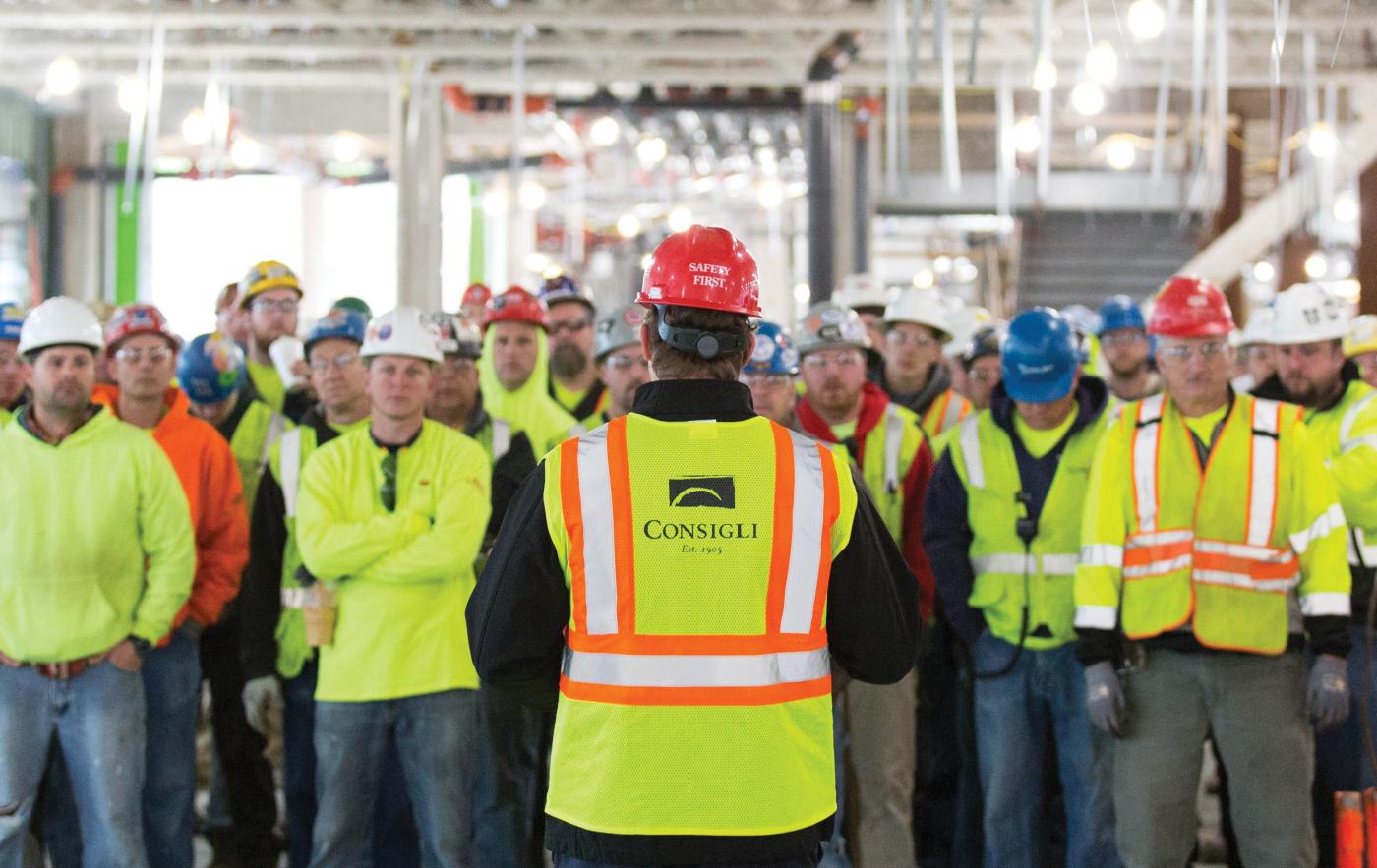
Understanding the Role of a New Jersey Construction Manager
A New Jersey Construction Manager serves as a vital link between various stakeholders in the construction industry, including contractors, clients, architects, and engineers. Their primary objective is to ensure construction projects are completed on time, within budget, and according to specified quality standards. As the complexity of construction projects increases, so does the significance of the construction manager's role.
Key Responsibilities
The responsibilities of a construction manager in New Jersey are multifaceted. They oversee the entire project lifecycle, including:
- Project Planning: This includes defining the project scope, timelines, and budgets while coordinating with all parties involved.
- Resource Management: Allocating resources, including materials, labor, and equipment, efficiently to keep the project on track.
- Quality Control: Ensuring that work meets specified standards and regulations, often requiring regular inspections and adjustments.
- Compliance: Ensuring that all aspects of the project comply with local laws, safety regulations, and environmental standards.
- Financial Oversight: Managing budgets, tracking expenditures, and ensuring that the project remains financially viable.
Skills Required for Management
To excel in their role, construction managers must possess a blend of technical, interpersonal, and leadership skills including:
- Project Management Expertise: A deep understanding of project management methodologies, including Agile and Waterfall.
- Negotiation Skills: Ability to negotiate contracts and resolve conflicts among stakeholders amicably.
- Technical Proficiency: Familiarity with construction techniques, building codes, and technology relevant to construction management.
- Leadership Abilities: The capability to lead teams effectively, fostering collaboration and productivity among workers.
- Communication Skills: Strong verbal and written communication skills to facilitate clear information flow between all parties.
Importance in Project Success
The impact of a diligent construction manager on project success cannot be overstated. They are instrumental in navigating the complexities of construction projects, thereby increasing the likelihood of timely and successful completions. Their proactive approach to problem-solving and their attention to detail play a central role in minimizing delays and cost overruns. Furthermore, effective construction management leads to measurable improvements in quality and safety standards on-site.
Planning and Coordination in Construction Projects
Project Initiation and Development
Every successful project begins with thorough planning and development. The construction manager starts by defining clear objectives, timelines, and budgeting to align with client expectations. This phase often entails feasibility studies and preliminary consultations with stakeholders. By engaging early with clients and other parties, construction managers can identify potential barriers and set realistic expectations from the outset, thereby laying the foundation for a successful project.
Resource Allocation and Scheduling
Effective resource allocation is paramount to successful project execution. A construction manager must assess material requirements and labor needs, scheduling these resources to avoid bottlenecks. Utilizing project management tools ensures that workflows are streamlined. Gantt charts and resource leveling techniques can enhance visibility over project timelines, helping anticipate issues before they arise. Additionally, constant monitoring is crucial to make real-time adjustments as needed.
Collaboration with Stakeholders
Collaboration lies at the heart of successful construction project management. Construction managers must facilitate productive relationships among diverse stakeholders, including contractors, architects, engineers, and clients. Regular meetings, updates, and transparent communication channels foster a collaborative atmosphere. Using project management software can enable all involved parties to track progress and maintain alignment, driving project success further.
Risk Management Strategies
Identifying Potential Risks
Risk management is critical in construction project management. Construction managers must identify potential risks at every project phase, from financial uncertainties to safety hazards. This proactive identification involves performing risk assessments and engaging in scenario planning to explore various risk outcomes. Understanding these risks allows managers to develop contingency plans that are necessary to mitigate impact.
Mitigation Techniques
Once risks have been identified, construction managers must implement effective mitigation strategies. Approaches may include diversifying suppliers to avoid material shortages, conducting regular safety training, and establishing emergency response protocols. Insurance policies also play an essential role, covering unforeseen events that can cause project delays or financial loss.
Legal Considerations in New Jersey
Legal considerations are a significant aspect of risk management. Familiarity with New Jersey's construction laws and regulations is essential for construction managers to avoid legal pitfalls that could lead to expensive delays. Ensuring all contracts are clear and enforceable protects against disputes. Furthermore, compliance with building codes and safety regulations is not only crucial for legal reasons but also for safeguarding the well-being of workers on-site.
Best Practices for Effective Communication
Engaging with Team Members
Effective communication is the cornerstone of successful construction management. Engaging with team members involves not only relaying instructions but also actively listening to feedback. Construction managers should create a culture where team members feel comfortable voicing concerns or suggestions. Tools such as daily huddles or progress tracking meetings ensure all team members are kept in the loop and that input from all perspectives is valued.
Client Interaction Techniques
Regular and clear communication with clients is essential to ensure their expectations are met. Construction managers should adopt a proactive approach by providing updates on project progress and addressing any concerns promptly. Utilizing visual aids like progress photos and construction timelines can enhance client understanding and satisfaction.
Utilizing Technology for Communication
In today's digital age, leveraging technology can vastly improve communication processes. Construction managers should utilize collaborative tools such as project management software, cloud-based document sharing platforms, and instant messaging applications. These tools facilitate seamless communication among all parties, allowing for real-time updates and decision-making. Embracing technology not only enhances communication but also increases overall productivity.
Measuring Success and Continuous Improvement
Key Performance Indicators
To gauge the success of construction projects, construction managers must establish Key Performance Indicators (KPIs). Common KPIs include project completion time, budget adherence, quality measures, and safety incident rates. Assessing these metrics allows managers to identify areas for improvement and make data-driven decisions to enhance future project performance.
Feedback Mechanisms
Incorporating feedback from all stakeholders is essential for continuous improvement. Construction managers should implement structured feedback mechanisms, such as post-project reviews and stakeholder surveys. Analyzing this feedback provides valuable insights into strengths and areas requiring enhancement, paving the way for more efficient processes in subsequent projects.
Adapting to Industry Trends
The construction industry is ever-evolving, with trends such as sustainable construction, modular building, and advanced technology continually reshaping practices. Construction managers must stay informed and adapt to these trends to maintain a competitive edge. Continuous education and professional development can significantly benefit construction managers, ensuring they are equipped with the latest knowledge and skills to implement best practices across projects.
Frequently Asked Questions
What qualifications are needed to become a construction manager in New Jersey?
Typically, a bachelor's degree in construction management, civil engineering, or related fields is required. Additionally, professional certifications may enhance career prospects.
How do construction managers handle conflicts on-site?
Construction managers use effective communication and negotiation skills to mediate conflicts. They also set clear protocols to resolve issues promptly and amicably.
What tools do construction managers use for project management?
Construction managers often use project management software, Gantt charts, and collaboration tools to streamline scheduling, communication, and resource allocation.
What is the role of technology in modern construction management?
Technology plays a crucial role in improving efficiency, safety, and communication in construction management through tools like Building Information Modeling (BIM) and project management applications.
How can I ensure my construction project stays within budget?
Effective planning, regular monitoring of expenses, and proactive risk management are key strategies to keep construction projects within budget.