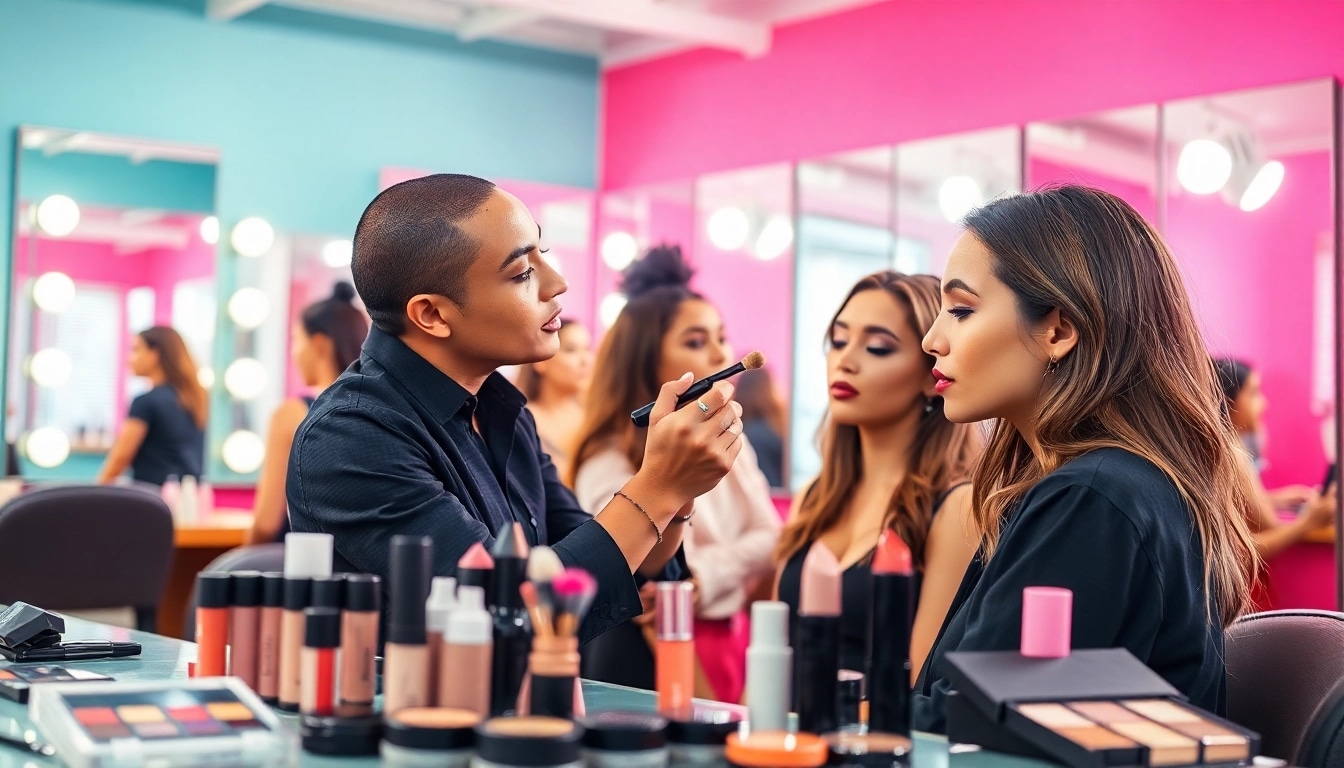
Understanding Makeup Courses
What are Makeup Courses?
Makeup courses are structured educational programs designed to teach participants about different aspects of makeup application, artistry, and techniques. They cater to a wide range of individuals, from complete beginners looking to learn the basics to professionals seeking to refine their skills or specialize in a particular area of makeup artistry. These courses can vary significantly in length, format, and content and are typically offered by beauty schools, independent educators, and online platforms, providing various learning styles and options. For those serious about pursuing a career in makeup, enrolling in makeup courses can open many doors.
Importance of Professional Makeup Education
Investing in professional makeup education can dramatically impact a student's understanding and performance in the beauty industry. Through structured learning, individuals gain knowledge about skin types, colors, and makeup products, which is essential for accurate application and client satisfaction. Moreover, being knowledgeable about sanitation standards and safety procedures helps build trust with clients and maintains a professional reputation. In a competitive market, education equips aspiring makeup artists with the necessary skills to stand out and succeed.
Options Available in Makeup Courses
Makeup courses come in various forms, which can include in-person classes, online modules, workshops, or masterclasses. Students often can choose from short courses focused on specific skills, such as bridal makeup, special effects, or contouring techniques, or more comprehensive programs that cover a wide array of topics, allowing for well-rounded training. Online courses are increasingly popular for their flexibility, enabling students to learn at their own pace while accessing high-quality instructional videos and resources.
Types of Makeup Courses
Beginner Makeup Courses
Beginner makeup courses are specifically designed for those with little to no prior knowledge or experience in makeup application. These courses generally cover essential techniques such as foundation application, eye makeup basics, and the use of different tools and products. They may also delve into color theory and client consultation methods, enabling students to gain a solid foundation in the art of makeup.
Advanced Techniques in Makeup Courses
For those with some experience, advanced makeup courses offer an opportunity to delve deeper into intricate techniques and styling. These courses often focus on advanced application techniques for various occasions—such as theatrical makeup, high fashion looks, or editorial photography. Students can expect hands-on training that fosters creativity and helps develop a refined personal style, essential for creating unique looks that captivate clients.
Specialized Makeup Courses to Consider
In addition to general makeup courses, various specialized courses cater to specific areas of interest. Options may include airbrush makeup, which uses a compressor to apply makeup seamlessly, contouring and highlighting workshops that teach how to enhance facial structures, and courses on special effects makeup for film and theater. These specialized programs allow artists to hone specific skills, making them more versatile and marketable in their field.
Benefits of Makeup Courses
Enhancing Your Professional Skills
Enrolling in makeup courses enhances your professional skills by providing structured learning and practical experience that self-study often lacks. Participants gain access to expert instructors who can share invaluable insights and techniques that elevate artistry. As they master different skills, artists can improve their self-confidence while ensuring they meet industry standards. Therefore, this education becomes not just an investment in skills but also an investment in one's professional identity.
Building a Portfolio through Makeup Courses
One of the significant advantages of participating in makeup courses is the ability to build a professional portfolio. Many courses require students to complete practical assignments and projects, showcasing their work. A well-curated portfolio is critical for attracting clients and securing employment opportunities. It serves as evidence of the artist's abilities and style while also demonstrating their commitment to continued education and skill refinement.
Networking Opportunities in Makeup Courses
Makeup courses often serve as networking venues, allowing students to connect with peers and industry professionals. Establishing relationships with instructors and fellow students can lead to potential job opportunities, collaborations, and mentorships, which can be essential for career growth. Networking also cultivates a sense of community, where makeup artists can share tips, trends, and support one another throughout their careers.
How to Choose the Right Makeup Course
Evaluating Course Content and Modules
When selecting a makeup course, thoroughly reviewing the course content and modules is crucial. Evaluate whether the curriculum covers everything pertinent to your goals as a budding makeup artist. Key components to look out for may include makeup fundamentals, skin care, product knowledge, and hands-on application practices. A well-rounded course should provide both theoretical knowledge and practical skills, ensuring students are equipped to meet the demands of the industry.
Credentials of Instructors in Makeup Courses
The qualifications of instructors significantly impact the quality of education offered in makeup courses. Check their credentials, experience, and past work in the industry to ensure they can provide insights based on real-world scenarios. Reputable instructors often bring diverse experiences and techniques, enriching the learning process and contextualizing the skills being taught. Students should seek instructors who not only have industry experience but also exhibit a passion for teaching.
Student Reviews and Course Reputation
Reading student reviews and testimonials can provide valuable insight into a course's reputation and effectiveness. Look for feedback on course content, instructional quality, and overall student satisfaction. Consider looking for independent reviews on platforms outside of the institution's website to ensure an unbiased perspective. A well-reviewed course reflects a commitment to delivering quality education, which is essential for students investing time and money into their training.
Frequently Asked Questions
What should I expect from a makeup course?
Expect a mix of theoretical knowledge and practical application, focusing on various techniques such as foundation application, eye makeup artistry, and special effects skills.
Do I need prior experience to enroll in makeup courses?
No prior experience is necessary for many beginner courses, as they cater to various skill levels and are designed to teach all foundational aspects.
How long do makeup courses usually last?
Makeup courses can vary widely in duration, ranging from a few days for short workshops to several months for in-depth educational programs.
Can makeup courses help me become a professional artist?
Yes, makeup courses provide crucial skills, knowledge, and industry insight—essential for launching a successful career as a professional artist.
Are online makeup courses as effective as in-person training?
Online makeup courses can be effective, offering flexibility, though in-person training may enhance hands-on experience, which is vital for mastering techniques.