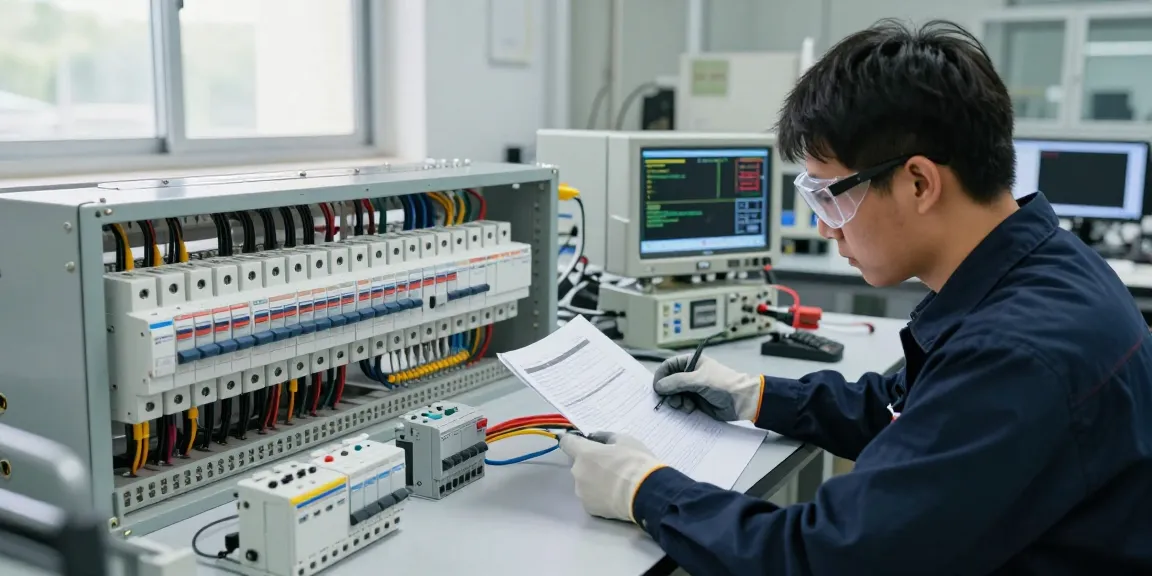
Understanding the Role of a GRP Manufacturer
Defining GRP and Its Applications
Glass Reinforced Plastic (GRP), also known as fiberglass, is a composite material made from a polymer matrix reinforced with glass fibers. It combines the advantages of lightweight construction with exceptional strength and durability. GRP has a broad spectrum of applications, ranging from construction elements and automotive parts to marine components and electrical enclosures. Its versatility makes it a go-to material for industries seeking innovation and efficiency. By working with a trusted GRP Manufacturer, businesses can leverage the benefits of this advanced composite material.
Key Materials Used in GRP Production
In the production of GRP, two primary components are utilized: the resin and the glass fibers. The resin, typically polyester or epoxy, acts as a binder, providing structural integrity and weather resistance. The glass fibers, known for their tensile strength, give GRP its reinforced properties. Other components may include additives to enhance UV resistance, flame retardancy, or additional mechanical properties. Ensuring high-quality materials is vital for producing reliable GRP products that meet distinct industry standards.
The Process: From Concept to Final Product
The journey of creating GRP products begins with design conceptualization. Engineers and designers collaborate to develop specifications that meet the client's needs. Following this, a mold is crafted from the design, which can be made of metal or another material suitable for containing the resin and glass fibers. The production phase involves layering glass fibers in the mold, followed by the application of resin to saturate the fibers. Once the material cures, it is demolded, and finishing processes, such as sanding, trimming, or adding protective coatings, take place, resulting in a ready-to-use GRP product.
Benefits of Choosing GRP for Your Projects
Durability and Longevity of GRP Products
GRP products stand out for their impressive durability. Unlike traditional materials like wood and metal, GRP exhibits high resistance to corrosion, moisture, and chemicals, making it ideal for harsh environmental conditions. Products made from GRP can last for several decades with proper maintenance, often exceeding 30 years of lifespan, while retaining structural integrity throughout their usage.
Environmental Considerations in GRP Manufacturing
Modern GRP manufacturing practices are increasingly focused on sustainability. GRP can be made from recyclable materials and can be produced using eco-friendly processes that minimize waste and energy consumption. The versatility of GRP allows for designs that optimize material usage, reducing the overall environmental footprint. Additionally, innovations in production methods continue to enhance the sustainability of GRP products, aligning with the growing demand for environmentally responsible manufacturing.
Cost-Effectiveness Compared to Alternatives
When assessing the total cost of ownership, GRP demonstrates significant cost-effectiveness. Initial costs can be competitive against traditional materials, but the long-term savings are even more substantial due to reduced maintenance, lower replacement frequency, and high operational efficiency. GRP's lightweight nature leads to lower transportation costs and easier handling during installation, providing additional financial advantages in project execution.
Current Trends in GRP Manufacturing
Innovations in Production Techniques
The GRP industry has witnessed considerable advancements in production technologies, improving both efficiency and product quality. Techniques such as vacuum infusion and automated fiber placement have gained popularity, offering enhanced precision and reduced waste. These innovations not only streamline the manufacturing process but also enable the creation of complex shapes and designs that were previously challenging to achieve.
Materials Advancements for Better Performance
Continuous research and development in materials science have led to the emergence of advanced resins and glass fibers that improve GRP performance metrics. Notably, the introduction of hybrid composites, which integrate carbon or aramid fibers, has expanded the functional capabilities of GRP, enabling applications in sectors requiring enhanced impact resistance, superior thermal stability, or reduced weight.
Market Trends Influencing GRP Demand
Market demand for GRP remains robust due to its diverse applications in rapidly growing sectors such as renewable energy, automotive, and construction. The global push for lightweight materials in transportation to enhance fuel efficiency further bolsters GRP's appeal. Moreover, innovations in architectural design incorporate GRP for its aesthetic potentials, fostering continued growth in the industry.
Challenges Faced by GRP Manufacturers
Quality Control Issues in Production
Ensuring consistent quality in GRP products poses a significant challenge due to the complexity of the manufacturing process. Variability in raw materials, environmental factors during curing, and inconsistencies in production techniques can lead to defects. Implementing rigorous quality control measures, including regular testing and adherence to industry standards, is crucial for maintaining product reliability and customer satisfaction.
Sustainability Challenges in GRP Manufacturing
While the GRP industry has made strides in adopting sustainable practices, challenges remain. The recycling of GRP products at the end of their life cycle can be complex and costly, often deterred by existing processes that focus more on traditional materials. As the industry evolves, developing effective recycling methods and promoting circular economy initiatives will be vital for sustainability in GRP manufacturing.
Managing Supply Chain Disruptions
Global supply chain disruptions present a significant challenge for GRP manufacturers, affecting the availability of key raw materials and components. The COVID-19 pandemic has highlighted vulnerabilities in international logistics, leading to delays and increased costs. Manufacturers must adopt adaptive supply chain strategies, such as diversifying suppliers and maintaining inventory buffers, to mitigate risks and ensure operational continuity.
Case Studies and Success Stories in GRP Manufacturing
Notable Projects Using GRP Solutions
Several high-profile projects have successfully integrated GRP solutions to enhance structural integrity and aesthetic appeal. For instance, various architectural marvels utilize GRP for facades, offering both beauty and functionality. These projects showcase how GRP materials can be molded into complex shapes while simultaneously enduring environmental challenges, underlining their versatility and reliability.
Improving Production Efficiency through Best Practices
Manufacturers have achieved significant production efficiencies by adopting lean manufacturing principles and automation. By streamlining operations, identifying waste, and optimizing workflows, these best practices have led to reduced lead times and enhanced product quality. Regular training of employees in new technologies and techniques also contributes to continuous improvement, fostering a culture of efficiency within the production environment.
Client Testimonials Highlighting GRP Successes
End-users from various sectors have reported satisfaction with GRP products, emphasizing their durability and performance. Testimonials reveal that clients appreciate the low maintenance needs of GRP, as well as its adaptability for custom projects. Positive customer experiences reinforce the value of partnering with reputable GRP manufacturers who prioritize innovation and quality in their offerings.
FAQs
What industries use GRP products?
GRP is commonly used in construction, automotive, aerospace, and marine industries, given its strength and lightweight properties.
How long does GRP last?
When properly maintained, GRP products can last over 30 years, making them a durable choice for various applications.
Is GRP environmentally friendly?
Yes, GRP is made from recyclable materials and can be produced with eco-friendly processes, reducing environmental impact.
What are the maintenance requirements for GRP products?
GRP generally requires minimal maintenance, with periodic cleaning and inspections preferred to ensure optimal performance.
Can GRP be molded into complex shapes?
Absolutely! GRP can be easily molded into intricate designs, allowing for innovative architectural and engineering solutions.