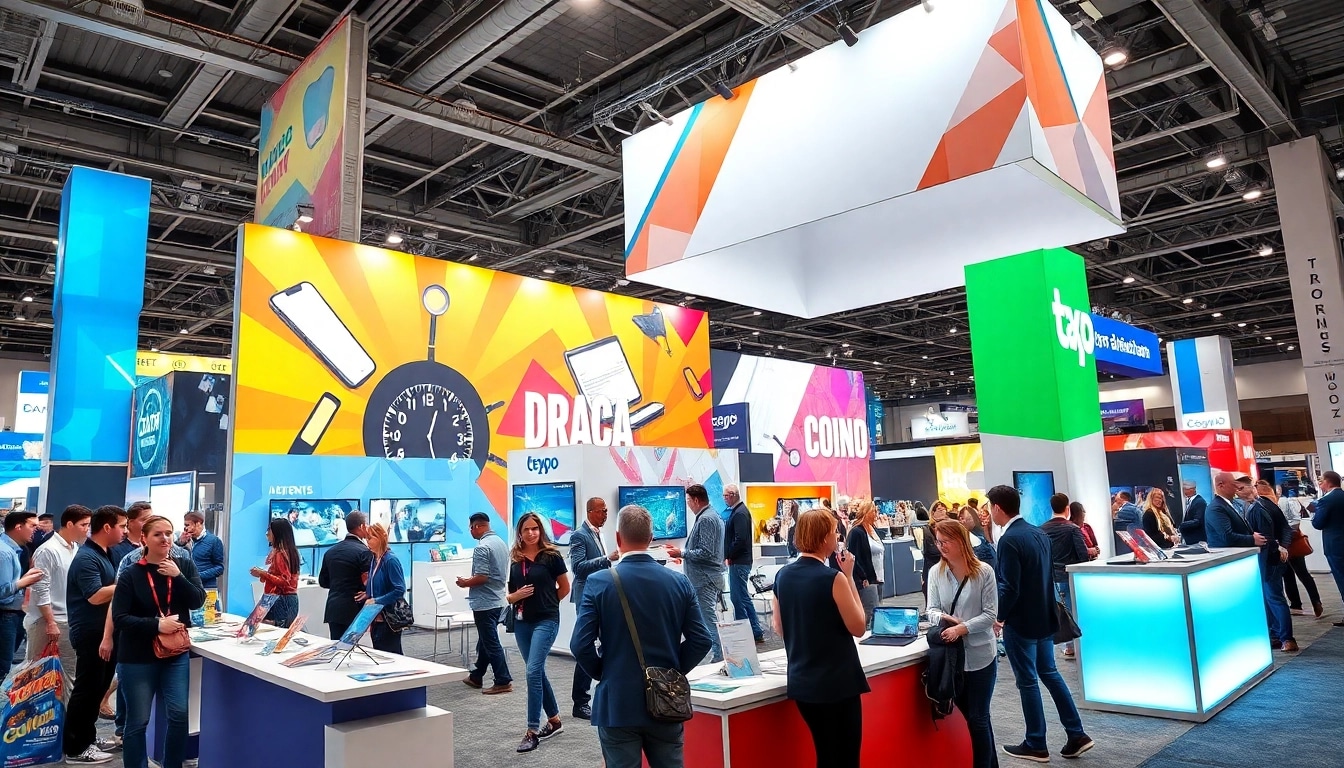
Understanding the Importance of Trade Show Booth Design
Trade shows are vital platforms for businesses to showcase their products and services, engage with potential customers, and create meaningful connections within their industry. A trade show booth serves as the physical embodiment of your brand at these events. The effectiveness of your booth design can significantly influence your marketing strategy, visitor engagement, and overall success at trade shows.
The Role of Trade Show Booths in Marketing Strategy
A well-designed trade show booth is a cornerstone of your marketing strategy. It not only reflects your brand's identity but also communicates your message to your target audience. Think of your booth as the face of your company at an event—first impressions are vital. A compelling booth can draw in potential customers, fostering an environment conducive to conversations that can lead to partnerships, sales, and brand loyalty.
In today's competitive landscape, a strategic approach to trade show participation demands careful planning. Companies need to align their booth presence with their overall marketing goals, whether it's generating leads, enhancing brand awareness, or launching a new product. Understanding the audience that attends the trade show and tailoring your booth experience to meet their needs is essential.
Key Elements of Effective Trade Show Booth Design
Effective booth design encompasses several critical components:
- Visual Appeal: Striking graphics and branding materials stand out in a crowded hall. Consider bold colors, high-quality imagery, and clear messaging to ensure visibility from a distance.
- Layout and Flow: An accessible layout invites visitors to explore your booth. Clever structuring encourages foot traffic and engagement while avoiding bottlenecks.
- Interactive Elements: Incorporating technology like touchscreens or VR experiences can captivate and engage visitors, providing a unique opportunity for interaction.
- Comfortable Design: Providing comfortable spaces for visitors to engage in dialogue with your staff can enhance the overall experience, making attendees more inclined to linger and learn about your offerings.
- Clear Signage: Directional signage and clear messaging help guide visitors through your booth, ensuring they can find out essential information quickly.
How a Well-Designed Trade Show Booth Impacts Visitor Engagement
A strategic booth design facilitates higher visitor engagement. The right combination of visual appeal, interactive features, and comfortable spaces leads to increased foot traffic, as visitors are naturally attracted to engaging environments. The initial attraction is only part of the picture. Once inside, a well-organized layout and welcoming atmosphere encourage deeper conversations about your products or services.
The goal is to convert casual visitors into leads effectively. Metrics to measure this can include the number of informative interactions, collecting visitor data, and tracking subsequent follow-ups. A successful trade show booth not only captures attention but also compels the visitors to take the next step, whether it’s signing up for newsletters or scheduling appointments.
Types of Trade Show Booths: Which One is Right for You?
With various types of trade show booths available, selecting the right one for your specific needs and budget is paramount. Booth options range from portable solutions to larger custom designs, each catering to different event styles and objectives.
Comparing Portable vs. Custom Trade Show Booths
Understanding the differences between portable and custom booths can help businesses make informed decisions:
- Portable Booths: These are typically easy to assemble, lightweight, and designed for easy transport. They are perfect for companies with limited budgets or those attending multiple events. Many portable booths can be reconfigured to fit different spaces, making them a versatile choice.
- Custom Booths: Designed to meet specific brand requirements, custom booths provide a high level of uniqueness and complexity. These booths can include intricate designs, technology integration, and more space for product displays. However, they often come at a higher cost and may require more time for construction and setup.
Budget Considerations When Choosing Your Trade Show Booth
The budget for a trade show booth can vary widely based on the type of booth, design complexity, and materials used. It’s critical to establish a realistic budget that aligns with your expected return on investment (ROI) from the event. Consider the following:
- Initial Costs: This includes booth design, production, transportation, and assembly.
- Operational Costs: These are fees associated with utilities, Wi-Fi, furniture rentals, and any promotional materials.
- Post-Show Costs: This includes follow-ups with leads and the potential need for updates to your booth design based on feedback and experiences from the event.
It’s also vital to research opportunities for sponsorships or grants that can alleviate costs and provide additional exposure.
Events Suited for Different Types of Trade Show Booths
Understanding the types of events you plan to attend is essential in deciding on the most suitable exhibit. For example:
- Industry Trade Shows: These events often cater to a specific audience, making custom booths compelling to attract serious buyers and stakeholders.
- Conventions and Expos: Portable booths work well in these environments as they allow flexibility and quick setups to adapt to changing conditions.
- Local Events and Markets: For smaller engagements, a simple pop-up or modular design could suffice, offering a low-cost entry point while still making a professional impression.
Essential Features to Include in Your Trade Show Booth
To enhance engagement and create memorable experiences, certain features are critical to the design of your trade show booth. These elements can significantly influence visitor interactions and the overall effectiveness of your presence at the event.
Graphics and Visuals that Capture Attention
High-quality visuals play a pivotal role in drawing attendees to your booth. Well-designed graphics should reflect your brand identity and message. Utilize large banners, digital displays, and attractive color palettes to create eye-catching visuals. Elements to consider include:
- Branding Consistency: Ensure that all graphics reflect your brand's identity and are consistent across various marketing channels.
- Clear Messaging: Use bold text and easy-to-read fonts to convey your key messages quickly and effectively. Employing a ‘less is more’ philosophy can help in delivering your point succinctly.
- Image Quality: High-resolution images create a professional look and will maintain clarity, even from a distance.
Incorporating Technology for Enhanced Interactivity
Modern trade shows often incorporate technology to enhance the attendee experience. Technology can serve various purposes, whether showcasing your product, facilitating lead capture, or boosting interactive engagement. Here are some ideas:
- Interactive Displays: Touchscreens or tablets can provide instant access to product information, videos, or demos.
- Augmented Reality: AR experiences can allow attendees to visualize products in unique ways, igniting interest and engagement.
- Digital Lead Capture: Using apps or devices to capture visitor information simplifies data collection and follow-up processes.
Accessible Layouts that Facilitate Visitor Flow
Designing your booth's layout for accessibility is critical to ensuring a smooth visitor flow. Consider the following tips:
- Open Design: Choose a layout that allows for easy movement and does not restrict access to any part of your booth.
- Distinct Zones: Create zones for different activities, such as product demonstrations, engagement areas, and information desks, to help manage foot traffic effectively.
- Clear Pathways: Ensure that there are no obstacles blocking pathways to critical engagement areas, inviting attendees to explore more readily.
Best Practices for Setting Up Your Trade Show Booth
The setup and operation of a trade show booth are just as critical to success as the design itself. Adhering to best practices helps ensure that everything runs smoothly during the event.
Steps for an Effective Booth Setup and Teardown
Planning your booth setup can minimize stress and maximize efficiency:
- Pre-Event Preparation: Ensure all materials are packed and organized before the event. Consider creating a setup checklist that includes every component of your booth.
- Team Coordination: Assign roles and responsibilities to team members well in advance to streamline the setup process.
- Teardown Protocols: Schedule teardown activities well ahead of time. Clear communication regarding timing and procedures can help avoid last-minute chaos.
Engagement Strategies to Attract Visitors to Your Trade Show Booth
Preparation for visitor engagement should begin long before the event a plethora of strategies can boost your booth's visibility:
- Pre-Show Marketing: Utilize social media and email newsletters to inform your audience of your presence at the trade show, enticing them to visit your booth.
- Sampling and Giveaways: Consider offering samples or promotional items to draw visitors and create memorable interactions.
- Live Demonstrations: Offering live demos can attract and hold the attention of potential customers, providing real-time engagement.
Tips for Training Staff to Maximize Booth Effectiveness
Once your booth is set, having well-trained staff can make a significant difference in visitor experience and engagement:
- Know Your Product: Ensure all staff members have comprehensive knowledge of your products or services to answer any questions confidently.
- Engagement Techniques: Training in active listening, body language, and conversation starters can empower staff to engage effectively and foster connections.
- Follow-Up Strategy: Staff should understand how to collect visitor information and what the follow-up process entails to ensure leads are nurtured post-show.
Measuring the Success of Your Trade Show Booth
Evaluating the performance of your trade show booth is essential to enhance future participations. Measuring success relies on key performance indicators (KPIs) tailored to your specific goals.
Key Performance Indicators for Trade Show Participation
Establishing KPIs before the event is crucial. Common metrics include:
- Lead Generation: Track the number of qualified leads collected during the show and compare it to previous events.
- Visitor Engagement: Monitor foot traffic to your booth and how many visitors participated in interactive elements.
- Brand Awareness Metrics: Survey attendees post-event to assess shifts in brand recognition and perception caused by your presence.
Collecting and Analyzing Feedback from Visitors
Post-event feedback is invaluable. Methods can include:
- Surveys: Employ digital surveys sent via email to gather impressions and suggestions from visitors.
- Conversation Notes: Encourage staff to jot down insights from conversations they had with visitors for qualitative feedback.
- Follow-Up Meetings: Schedule follow-up discussions within the team post-event to analyze outcomes and collaborative insights.
How to Use Post-Show Data to Enhance Future Trade Show Booths
Utilizing the collected data can provide actionable insights for future trade show endeavors:
- Adjusting Booth Design: Based on feedback, consider modifications to graphics, layout, or interactive features to better meet visitor expectations.
- Refining Target Audience: Analyze who visited your booth and tailor future marketing efforts to better attract similar audiences.
- Revising Engagement Tactics: Evaluate the effectiveness of different engagement strategies and refine or change those possibilities for upcoming events.