Understanding the Benefits of a Mini Freezer
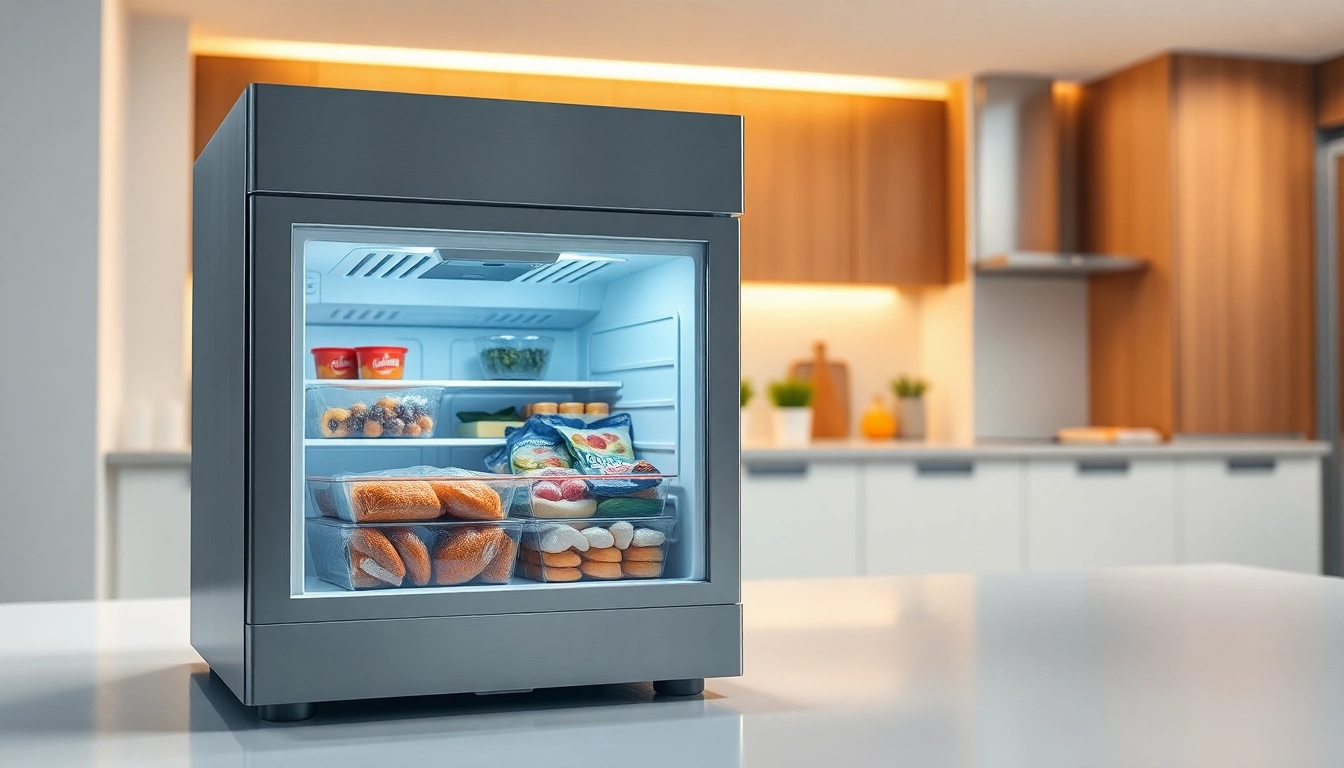
In today’s world, space can be a limiting factor for many households. This is where the mini freezer comes into play, providing a practical solution for those needing extra cold storage without the bulk of a traditional freezer. Whether you're living in a small apartment, a dorm room, or simply looking to maximize your storage options, mini freezers offer numerous benefits that cater to diverse needs.
Space Savings and Efficiency
Space-saving design is one of the most significant advantages of a mini freezer. These compact units fit seamlessly into tight corners and small areas such as under counters, in closets, or even in garages. Their efficient design allows for storage without overwhelming your available space. You can opt for either an upright model, which offers easy accessibility, or a chest model that maximizes volume in a smaller footprint. Both types are engineered for optimal functionality, ensuring that every inch is utilized effectively.
Cost-Effective Cold Storage Solutions
Investing in a mini freezer can be a cost-effective choice. The upfront cost is typically lower than that of full-sized freezers, making it an accessible option for those on a budget. Additionally, they use significantly less energy than their larger counterparts, contributing to lower electricity bills. Many models come equipped with energy-efficient features such as adjustable thermostats and eco-friendly refrigerants, ensuring that your cold storage solution is as economical as possible.
Versatility for Various Settings
Mini freezers are incredibly versatile, making them suitable for various environments. They are perfect for offices, dormitories, or even recreational vehicles, offering an ideal solution for storing frozen meals, snacks, or even ice for gatherings. Their portability means they can easily be transported for events such as camping trips or family gatherings. No matter where you need extra storage, a mini freezer can adapt to your requirements.
Types of Mini Freezers: Which One is Right for You?
When choosing a mini freezer, it is essential to consider the type that best fits your needs. Two main styles are predominant in the market: upright and chest models. Each has unique advantages and specific use cases that can influence your decision.
Upright vs. Chest Mini Freezer
Upright mini freezers resemble a standard refrigerator and typically feature shelves for organized storage. This design is advantageous for easy access and visibility, allowing users to quickly find what they need. In contrast, chest mini freezers provide a larger storage capacity in a smaller floor area but may require more effort to retrieve items located at the bottom. Understanding your storage habits will help you decide which model aligns best with your lifestyle.
Portable Mini Freezers for Travel
For individuals who love traveling or camping, portable mini freezers are an excellent option. These units are specifically designed to be compact and energy-efficient, often featuring plug-in and battery-operated options. They're perfect for keeping perishable goods fresh while on the go, ensuring that your food remains frozen or cold during travels.
Energy Efficiency Ratings Explained
When selecting a mini freezer, pay attention to the energy efficiency ratings. Models with the ENERGY STAR label indicate that they meet strict energy efficiency guidelines set by the Environmental Protection Agency. These ratings can help you make an informed choice about energy consumption, potentially saving you money over the long term.
How to Properly Maintain Your Mini Freezer
Proper maintenance is vital to ensure the longevity and efficiency of your mini freezer. Regular upkeep can prevent minor issues from developing into significant problems, saving you both time and money.
Regular Cleaning Best Practices
Cleaning your mini freezer should be part of regular maintenance. Start by unplugging the unit and allowing built-up ice to thaw. Wipe down the interior with a solution of water and mild detergent, ensuring to remove any food particles or stains. Regular cleaning not only keeps your freezer looking its best but also prevents odors and potential health hazards.
Temperature Settings and Monitoring
Maintaining the optimal temperature is essential for food preservation. Aim to keep your mini freezer at -18°C (0°F) to effectively freeze and store food items. Regularly check the temperature settings, especially after power disruptions or when you first plug in your unit. Adding a thermometer can provide an extra layer of assurance regarding the internal environment.
Storage Tips for Longevity
To maximize the lifespan of your mini freezer, follow proper storage practices. Avoid overloading the unit, as this can restrict air circulation and affect temperature consistency. Use airtight containers for food storage, preventing moisture loss and contamination. Dispose of old or expired food regularly to maintain organized storage.
Mini Freezer Size and Capacity Considerations
When selecting a mini freezer, size and capacity are crucial considerations, as they directly influence your storage capabilities and overall functionality.
Choosing Size Based on Household Needs
Understanding your household's needs will guide you in selecting the appropriate size for your mini freezer. For singles or couples, a smaller model may suffice, while larger families may benefit from a mid-range option. Analyze your typical grocery shopping habits and frozen food consumption before making your choice.
Understanding Storage Capacity in Liters
Mini freezers are typically measured in liters, providing a clear understanding of how much space is available for storage. Familiarizing yourself with the capacity in relation to your grocery needs can prevent over-purchasing or insufficient storage. Calculate your average frozen food purchase volumes, and select a model that comfortably accommodates your requirements.
Maximizing Space Inside Your Mini Freezer
Maximizing storage space inside your mini freezer is imperative for efficient use. Use stacking bins or containers to segregate food items, enabling easy access to all products. Labeling items can prevent the loss of food and help maintain your unit's organization. Regularly evaluate and adjust your storage practices to optimize space and functionality.
FAQs About Mini Freezers
Do Mini Freezers Need to Defrost?
Some mini freezers require manual defrosting, especially older models or those without auto-defrost features. Regular defrosting prevents ice buildup, ensuring optimal performance and efficiency.
What Can You Store in a Mini Freezer?
Mini freezers are versatile and can store various items, including frozen vegetables, meats, ice cream, and pre-prepared meals. Ensure that items are appropriately packaged to maintain freshness.
How Much Energy Does a Mini Freezer Use?
The energy consumption of a mini freezer varies by model, but generally, they use significantly less energy than standard freezers. Considering energy-efficient models can further reduce consumption.
Can I Keep a Mini Freezer in a Garage?
Yes, a mini freezer can be kept in a garage, provided the space is climate-controlled or at a stable temperature. Extreme temperatures can affect its performance.
How Long Do Mini Freezers Typically Last?
On average, mini freezers have a lifespan of about 10 to 15 years, depending on usage and maintenance. Regular care can extend their functionality and efficiency.