Understanding Aluminum Prototypes
The Basics of Aluminum in Prototyping
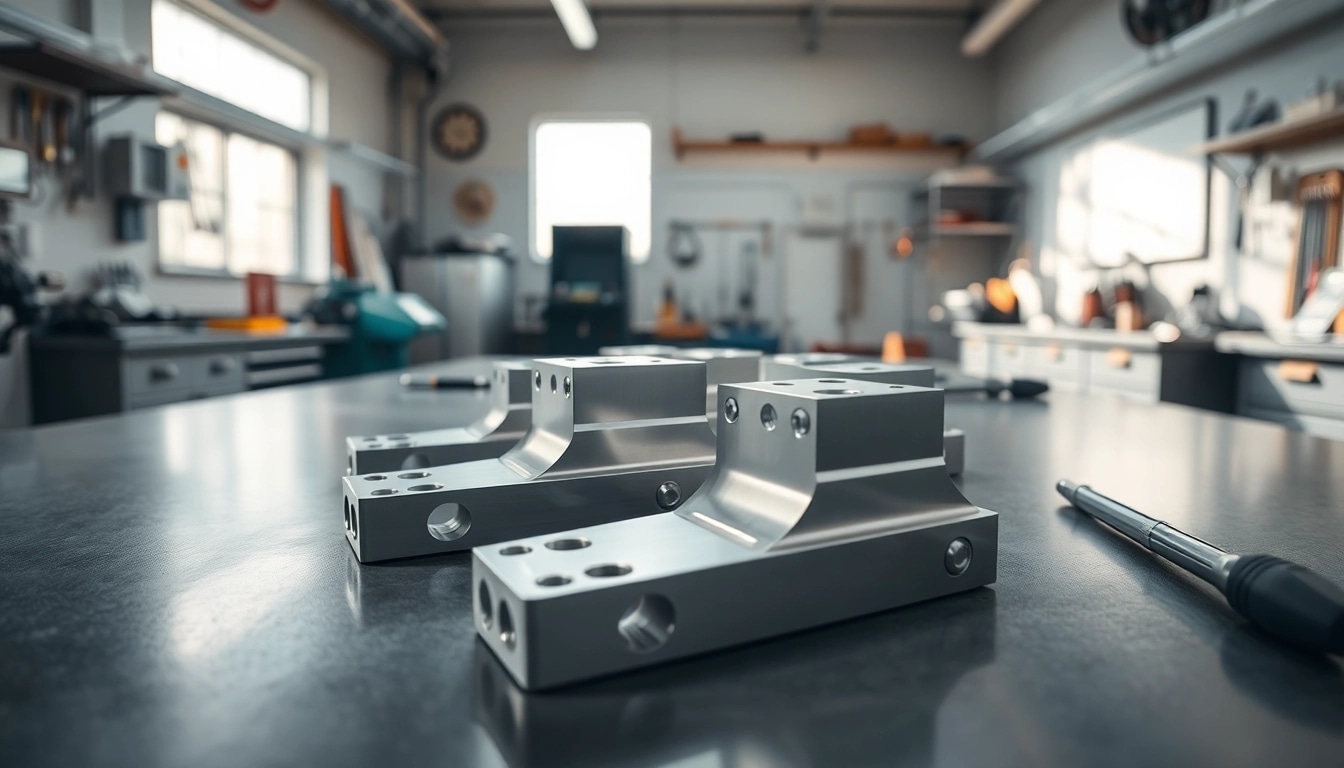
Aluminum is a lightweight, resilient metal popular across various industries for prototyping. Its inherent properties, such as high strength-to-weight ratio, excellent corrosion resistance, and good machinability, make it an ideal choice for creating functional prototypes. Many designers and engineers opt for aluminum prototypes to validate their designs before moving into production. Aluminum's versatility allows for an extensive range of applications, from automotive components to electronic housings.
Benefits of Using Aluminum Prototypes
Using aluminum for prototyping brings multiple benefits:
- Lightweight: Aluminum's low density means prototypes are easier to handle and transport.
- Durability: It exhibits strong resistance to corrosion and wear, ensuring prototypes can withstand testing conditions.
- Machinability: Aluminum is easily machined, allowing for intricate designs and tight tolerances.
- Cost-Effectiveness: The speed of production and lower tool wear associated with aluminum lead to reduced overall costs during prototyping.
- Thermal Conductivity: Aluminum's ability to dissipate heat effectively can be critical in applications like electrical components.
Common Applications for Aluminum Prototypes
Aluminum prototypes are widely used across various sectors:
- Automotive Industry: Parts such as engine components, transmission housings, and structural elements benefit from aluminum's strength and lightweight nature.
- Aerospace: With a focus on weight savings, aluminum is extensively used in aircraft parts and assemblies, providing both strength and fuel efficiency.
- Consumer Electronics: Laptop cases, mobile phone housings, and heat sinks utilize aluminum's thermal conductivity and aesthetic finish.
- Machinery and Equipment: Production equipment often incorporates aluminum for its robustness and ease of fabrication.
- Medical Devices: Prototyping with aluminum helps create precision instruments that require both durability and lightness.
Manufacturing Processes for Aluminum Prototypes
CNC Machining Techniques
CNC (Computer Numerical Control) machining is a prevalent method for developing aluminum prototypes. CNC machines can create complex shapes with high precision through processes such as milling, turning, and drilling. Using CAD (Computer-Aided Design) software, designers can translate their specifications into machine instructions, leading to accurate reproduction of parts. Additionally, CNC machining offers rapid turnaround times, ideal for tight project timelines.
Casting Methods Explained
Casting is another significant manufacturing process for aluminum prototypes. Techniques such as sand casting, gravity casting, and die casting allow for the creation of intricate shapes that may be difficult or costly to achieve through machining. Each method has its advantages:
- Sand Casting: Cost-effective for small runs and allows for flexible design changes.
- Gravity Casting: Ideal for larger, more complex shapes requiring higher precision.
- Die Casting: Provides high-speed production and excellent dimensional accuracy, making it ideal for large volumes.
3D Printing and Aluminum Prototypes
3D printing technology, particularly additive manufacturing methods, is gaining traction for creating aluminum prototypes. Techniques such as Selective Laser Melting (SLM) and Direct Metal Laser Sintering (DMLS) enable the production of lightweight structures with complex geometries that are often impossible to achieve through traditional methods. This approach not only accelerates the prototyping process but also enhances the design flexibility, allowing for iterative testing and validation.
Design Considerations for Aluminum Prototypes
Choosing the Right Aluminum Alloy
Different aluminum alloys exhibit various mechanical properties, influencing the choice based on the final application's needs. For instance:
- 6061 Aluminum: Offers good mechanical properties and corrosion resistance; commonly used for structural applications.
- 7075 Aluminum: Known for its high strength-to-weight ratio, often used in aerospace and high-stress applications.
- 5052 Aluminum: Excellent corrosion resistance and weldability, suitable for marine and agricultural environments.
Design for Manufacturability
Designing with manufacturability in mind is vital for ensuring prototypes are practical and cost-effective. Strategies include minimizing part complexity, incorporating standard dimensions, and considering tooling limitations. Prototypers should collaborate closely with manufacturers during the design phase to pinpoint potential pitfalls early and maximize production efficiency.
Prototyping vs. Final Production
It's essential to distinguish between prototyping and final production. Prototypes prioritize rapid development and functionality testing, while final production emphasizes precision, scalability, and durability. Designers should ensure that the transition from prototype to production maintains the integrity of the design while optimizing for cost and manufacturability.
Cost Effectiveness of Aluminum Prototypes
Estimating Prototype Costs
The costs associated with aluminum prototypes can vary widely based on factors such as design complexity, alloy choice, and manufacturing method. To obtain a comprehensive estimate, consider:
- Initial design costs, including software and engineering resources
- Material costs based on selected aluminum types
- Processing costs depending on the chosen manufacturing method, e.g., CNC, casting, or 3D printing
- Post-processing requirements, such as surface finishing or assembly
Reducing Waste and Maximizing Efficiency
Implementing Lean Manufacturing principles can significantly reduce waste during the prototyping stage. These strategies include optimizing material usage, minimizing setup times, and applying just-in-time production techniques to align resource utilization with demand. Using advanced simulations can also forecast potential issues, avoiding expensive rework and adjustments later in the process.
Long-Term Savings with Aluminum Prototypes
Investing in aluminum prototypes ultimately leads to long-term savings. By identifying design flaws early in the prototype phase, companies can avoid costly changes during final production. Additionally, aluminum’s durability results in longer-lasting products, lower maintenance costs, and reduced downtime in operational settings.
Future Trends in Aluminum Prototyping
Advancements in Technology
Emerging technologies continue to reshape the landscape of aluminum prototyping. Automation in manufacturing processes, enhanced CAD software, and new machining techniques are driving innovations. Furthermore, integrating IoT (Internet of Things) technology into machining processes will increase monitoring and data tracking capabilities, improving overall efficiency and quality control.
Sustainability in Aluminum Manufacturing
As sustainability becomes crucial for manufacturers, aluminum shines as an eco-friendly choice for prototyping. It is highly recyclable, with 75% of all aluminum ever produced still in use. Implementing sustainable practices in the prototyping process, such as minimizing waste and optimizing energy consumption, not only benefits the environment but also appeals to eco-conscious consumers.
The Role of Automation in Prototyping
Automation through robotics and smart technologies enhances the efficiency of aluminum prototyping. Automated workflows reduce manual errors and speed up production while increasing precision. These technologies allow engineers to scale up production seamlessly once designs are validated, streamlining the transition from prototype to actual manufacturing.
Frequently Asked Questions
1. Is aluminum a common prototyping material?
Yes, aluminum is widely used for prototyping due to its ease of machining, lightweight nature, and excellent strength-to-weight ratio, making it ideal for various applications.
2. What are the key benefits of aluminum for prototypes?
Aluminum offers benefits like lightweight, durability, corrosion resistance, and good machinability, making it suitable for various prototyping applications.
3. How does CNC machining compare to casting?
CNC machining delivers high precision and is excellent for small batch production, while casting is suitable for complex shapes and bulk production, each serving distinct needs.
4. What factors influence the cost of aluminum prototypes?
Cost factors include material choice, the complexity of design, manufacturing methods, and post-processing requirements, all impacting the overall prototype budget.
5. How can I ensure the effectiveness of my aluminum prototype design?
Collaborate with manufacturers, prioritize design for manufacturability, and utilize rapid prototyping methods to identify and rectify design flaws efficiently.