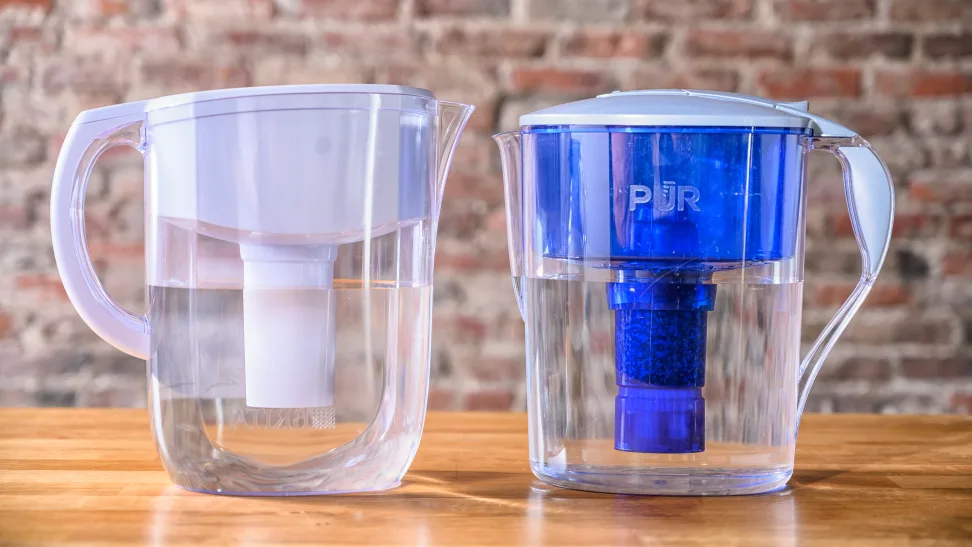
When it comes to choosing a water filtration system for your home, few debates are as common as the Pur or Brita Water Pitcher discussion. Both brands have been household names for decades, promising cleaner, safer, and better-tasting water. However, not all water filters are created equal, and the choice between Pur and Brita is more than just a matter of brand preference. This article delves into the performance, technology, taste, and overall value of both water pitchers, providing a detailed comparison based on personal testing, expert reviews, and scientific evaluation.
Understanding the Basics of Water Filtration
Before diving into the differences between Pur and Brita, it’s important to understand what water filtration actually entails. Water from taps often contains chlorine, heavy metals, sediment, and various contaminants that can affect both taste and safety. Filtration systems aim to reduce these substances, but how effectively they do so depends on the technology they employ.
Brita typically focuses on carbon filtration, which is excellent for removing chlorine, improving taste, and reducing odors. Some models also include ion-exchange resin to target certain metals, such as copper and cadmium.
Pur, on the other hand, uses activated carbon combined with a more advanced ion-exchange system capable of removing a wider range of contaminants, including mercury, lead, and other heavy metals. This distinction is crucial for households with older plumbing or municipal water sources that may contain higher levels of impurities.
Design and Usability
Both Pur and Brita Water Pitchers are designed with convenience in mind, but their form factors and user experience differ slightly. Brita pitchers are often praised for their simplicity, lightweight design, and wide availability. Their filters are easy to replace and the pitchers fit comfortably in most refrigerators.
Pur pitchers, while also user-friendly, sometimes include additional features such as a filter life indicator and designs that maximize water flow through the filtration system. Many users report that Pur’s design slightly improves the speed at which filtered water is available, though this difference is subtle and largely depends on the specific model.
While design preferences may be subjective, both brands provide easy-to-use pitchers that do not require installation, making them suitable for renters, students, or anyone seeking an accessible filtration solution.
Filtration Technology Comparison
The heart of the Pur or Brita Water Pitcher debate lies in their filtration technologies. Understanding how each system works helps determine which is most suitable for different water quality concerns.
Brita Filtration Technology
Brita pitchers primarily utilize activated carbon filters. These filters are effective at absorbing chlorine and improving the taste and odor of tap water. Certain Brita models incorporate ion-exchange resin beads, which reduce metals such as copper, cadmium, and mercury. This combination ensures that your drinking water is cleaner and more palatable, though the range of contaminants removed is somewhat limited compared to Pur.
Pur Filtration Technology
Pur pitchers use a more robust filtration system, blending activated carbon with advanced ion-exchange mechanisms that remove a broader spectrum of contaminants. Pur filters are independently tested to reduce lead, mercury, certain pesticides, and industrial pollutants. This makes Pur an attractive choice for homes with older plumbing or water sources that may contain higher levels of harmful chemicals.
Overall, while both pitchers improve taste and clarity, Pur generally offers superior contaminant reduction, making it a stronger option for those prioritizing health and safety alongside flavor.
Taste and Water Quality
Taste is subjective, yet it often reflects the effectiveness of a water filtration system. When comparing Pur or Brita Water Pitcher, many users notice subtle differences in the flavor profile of the filtered water. Brita effectively removes chlorine and basic tastes, producing water that is clean and pleasant. However, in environments with heavy metals or older plumbing, some residual tastes may remain.
Pur, by contrast, consistently delivers water with a noticeably smoother and more neutral flavor. The enhanced removal of metals, chlorine, and other contaminants contributes to a cleaner mouthfeel, which is particularly important for coffee, tea, or cooking applications where water taste can impact flavor. In taste tests, Pur often comes out ahead for households seeking the purest drinking experience.
Cost and Value
Price is always a consideration when evaluating Pur or Brita Water Pitcher options. Brita pitchers are generally more affordable, making them appealing for budget-conscious consumers. Replacement filters are widely available and often cheaper than Pur’s counterparts, allowing long-term maintenance at a lower cost.
Pur pitchers, while slightly more expensive upfront and for replacement filters, offer higher filtration efficiency and broader contaminant removal. For those willing to invest in superior water quality, the extra cost can be justified. It’s important to weigh upfront expenses against long-term benefits, particularly if water quality is a significant concern in your home.
Filter Longevity and Maintenance
Filter lifespan is another critical aspect to consider when choosing between Pur or Brita Water Pitcher. Brita filters typically last around 40 gallons or two months, depending on usage. Pur filters vary by model but generally provide similar or slightly longer service life. Both systems require regular replacement to maintain effectiveness, as filters can become saturated with contaminants over time, reducing their ability to purify water.
Some Pur models feature electronic filter indicators that alert users when replacement is necessary, adding convenience and ensuring optimal water quality. Brita offers manual indicators or simple color-coded reminders depending on the pitcher model.
Environmental Considerations
Sustainability is increasingly important for consumers choosing water filtration systems. Both Pur and Brita Water Pitchers contribute to reducing single-use plastic bottle consumption, which is beneficial for the environment. Additionally, both brands offer recycling programs for used filters, though participation varies by location.
From an ecological standpoint, selecting a pitcher with longer-lasting filters and participating in recycling programs maximizes environmental benefits. While Brita’s filters are slightly more common in recycling programs, Pur’s superior filtration efficiency may mean fewer filters are used over time, which can indirectly reduce waste.
Health and Safety Implications
Water safety is paramount, and this is where the Pur or Brita Water Pitcher decision becomes critical. Both brands improve water quality, but Pur’s advanced filtration reduces a wider spectrum of potentially harmful substances. Lead, for example, is effectively removed by most Pur filters, which is especially relevant in older homes with aging plumbing.
Brita is highly effective for improving taste and removing chlorine, but it may not address certain contaminants at the same level as Pur. Households with specific health concerns, young children, or older plumbing systems may find Pur’s enhanced filtration to be a safer choice.
User Experience and Customer Feedback
Consumer feedback is invaluable when evaluating Pur or Brita Water Pitcher options. Brita users frequently praise the brand’s affordability, accessibility, and ease of use. It is a reliable solution for improving tap water taste without significant investment.
Pur users often highlight the noticeable difference in water clarity and taste, as well as confidence in contaminant removal. While more expensive, the consensus is that Pur delivers a premium filtration experience that can justify the cost, especially in areas with higher water impurities.
Practical Tips for Maximizing Filter Efficiency
To ensure the best performance from any water pitcher, including Pur or Brita Water Pitcher, proper maintenance is key. Always replace filters according to manufacturer recommendations and avoid exceeding the stated water volume limits. Regular cleaning of the pitcher and reservoir prevents bacterial growth and maintains the flavor and safety of your water.
Using cold tap water rather than hot water preserves the integrity of filters, while pre-rinsing new filters according to instructions can prevent initial taste issues. Following these practices ensures your water pitcher performs optimally over time, regardless of brand.
Comparative Summary: Pur vs Brita
Choosing between Pur or Brita Water Pitcher ultimately depends on priorities. Brita offers affordability, ease of use, and adequate chlorine and metal reduction, making it ideal for those who value convenience and cost-effectiveness. Pur, however, provides superior contaminant removal, better taste, and added confidence in water safety, particularly for households with older plumbing or higher water impurity concerns.
The decision is not simply about brand loyalty—it is about understanding the specific filtration needs of your home and aligning them with the features and capabilities of each pitcher.
Conclusion
In the ongoing Pur or Brita Water Pitcher debate, both brands serve the essential purpose of improving drinking water quality. Brita excels in accessibility, affordability, and basic filtration needs, making it suitable for general household use. Pur stands out for its advanced contaminant removal, superior taste, and extra features, which can be particularly valuable for homes with older plumbing or higher contaminant levels.
Ultimately, the choice between Pur and Brita should be guided by water quality, health priorities, and personal preferences. Both pitchers offer reliable filtration, but for those seeking the cleanest, safest, and best-tasting drinking water, Pur may have a slight edge. Understanding your needs and how each system operates ensures you make an informed decision and enjoy consistently fresh, safe water. For full details, please check our homepage.
Frequently Asked Questions (FAQs)
What contaminants do Brita and Pur water pitchers remove?
Brita primarily removes chlorine, some metals such as copper and cadmium, and sediment, improving taste and odor. Pur removes a broader range of contaminants, including lead, mercury, chlorine, and certain pesticides, offering superior protection for health.
How often should I replace my Pur or Brita filter?
Filter lifespan varies by model and water usage. Typically, Brita filters last about 40 gallons or two months, while Pur filters may last slightly longer, often up to three months. Regular replacement is essential to maintain optimal filtration performance.
Which pitcher tastes better, Pur or Brita?
Many users find that Pur water has a smoother, cleaner taste due to more effective removal of metals and chlorine. Brita improves water taste significantly but may leave subtle flavors in areas with older plumbing or higher contaminants.
Are Pur and Brita pitchers easy to use?
Yes, both Pur and Brita Water Pitchers are designed for convenience. They are lightweight, fit in most refrigerators, and require no installation. Pur models may include filter life indicators for added ease, while Brita offers manual or color-coded reminders.
Is it worth paying more for a Pur pitcher over Brita?
If your main goal is removing a broader range of contaminants and achieving the best possible taste, investing in a Pur pitcher is worthwhile. For general filtration and budget-conscious households, Brita remains an excellent and reliable choice.