
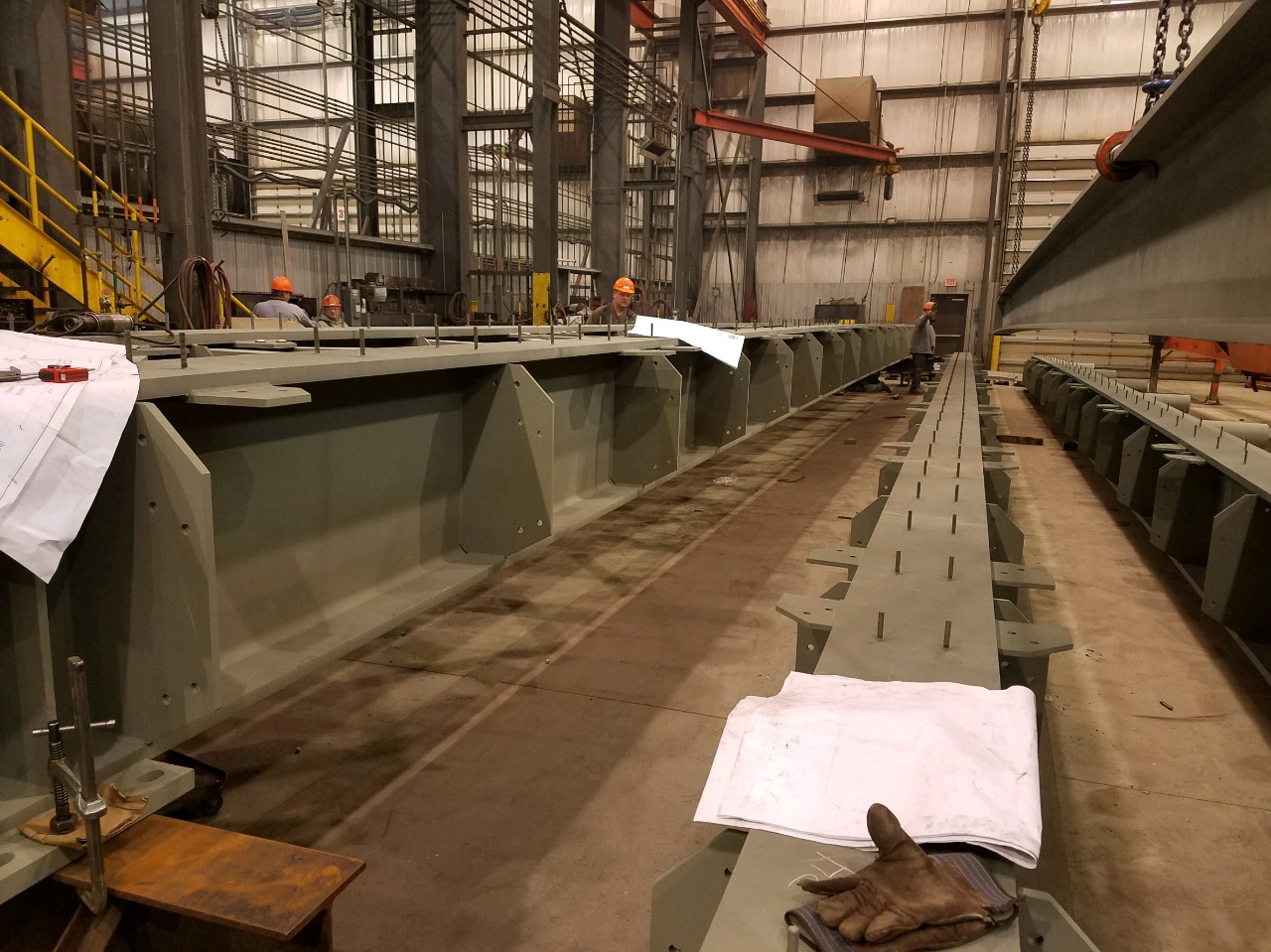
Understanding Structural Steel Installation
Structural steel installation is a crucial aspect of modern construction, forming the backbone of buildings, bridges, and industrial facilities. The process involves assembling steel components with precision to ensure structural integrity, safety, and durability. Choosing the right methods and adhering to best practices in structural steel installation not only improves construction quality but also reduces the risk of accidents and costly repairs.
Importance of Safety in Structural Steel Installation
Safety is the top priority during structural steel installation. Construction sites are inherently hazardous, and working with heavy steel components increases the risk of injuries. Implementing safety measures such as proper personal protective equipment (PPE), secure scaffolding, and rigorous training programs is essential. A well-planned safety strategy ensures that workers can carry out structural steel installation efficiently while minimizing potential hazards.
Pre-Installation Planning and Preparation
Effective structural steel installation begins with meticulous planning. Before lifting or assembling steel components, engineers and construction managers must review blueprints, calculate load requirements, and inspect steel for defects. Pre-installation planning also includes identifying site hazards, establishing safe access points, and coordinating equipment like cranes and hoists. Comprehensive preparation lays the foundation for a smooth and safe structural steel installation process.
Proper Handling of Steel Components
Handling steel components correctly is vital to prevent damage and ensure safety. During structural steel installation, materials should be lifted and moved using cranes, forklifts, or hoists with trained personnel. Each piece of steel must be secured to avoid slips or falls that could compromise the structure or cause injuries. Maintaining proper handling procedures reduces installation errors and maintains the quality of the steel components.
Alignment and Connection Techniques
Accurate alignment and secure connections are critical for effective structural steel installation. Steel beams, columns, and braces must be aligned according to engineering specifications, and bolted or welded connections should meet quality standards. Misalignment or weak connections can jeopardize the structural integrity of a building. Regular inspections during the structural steel installation process ensure that all components are correctly positioned and securely fastened.
Use of Advanced Equipment and Technology
Modern structural steel installation often leverages advanced equipment and technology to improve precision and safety. Tools such as laser-guided measurement systems, automated welding machines, and high-capacity cranes help reduce human error and accelerate installation timelines. Investing in the latest technology ensures that structural steel installation projects are completed efficiently while adhering to strict safety protocols.
Training and Skilled Workforce
A highly skilled workforce is essential for successful structural steel installation. Workers must be trained in safe lifting techniques, proper use of equipment, and understanding load-bearing requirements. Continuous training programs help crews stay updated on industry standards and new installation methods. A competent workforce reduces risks, enhances structural quality, and ensures that structural steel installation follows best practices from start to finish.
Inspection and Quality Control
Regular inspection and quality control are integral to structural steel installation. Each phase of installation should be monitored for compliance with engineering specifications and safety standards. Any defects or misalignments must be addressed promptly. Implementing a thorough inspection process not only ensures structural stability but also prolongs the life of the building or facility constructed using structural steel installation.
Coordination with Other Construction Activities
Structural steel installation must be coordinated with other construction activities, such as concrete pouring, electrical, and plumbing work. Proper scheduling prevents delays and ensures that all trades can work safely around steel components. Coordinating tasks efficiently contributes to a streamlined construction process, reducing downtime and minimizing risks associated with overlapping work activities.
Environmental and Site Considerations
Environmental and site factors can impact structural steel installation. Weather conditions, ground stability, and surrounding infrastructure must be considered to ensure safe handling and placement of steel components. Implementing site-specific safety measures and contingency plans mitigates risks associated with adverse conditions, ensuring that structural steel installation proceeds smoothly and without interruption.
Benefits of Following Best Practices
Following best practices in structural steel installation offers multiple benefits, including enhanced safety, structural integrity, and efficiency. Proper installation reduces the likelihood of costly repairs and project delays. Adhering to these practices demonstrates a commitment to quality construction, ensuring that steel structures stand the test of time while maintaining compliance with industry standards.
Conclusion
Structural steel installation is a complex and essential part of modern construction that demands careful planning, skilled execution, and strict safety protocols. By prioritizing safety, utilizing advanced equipment, training a skilled workforce, and adhering to industry best practices, construction teams can achieve high-quality results. At Noble Steel, we emphasize these best practices to ensure that every structural steel installation project is completed safely, efficiently, and with lasting durability. Consistently applying these methods guarantees superior structural performance and peace of mind for both builders and clients.