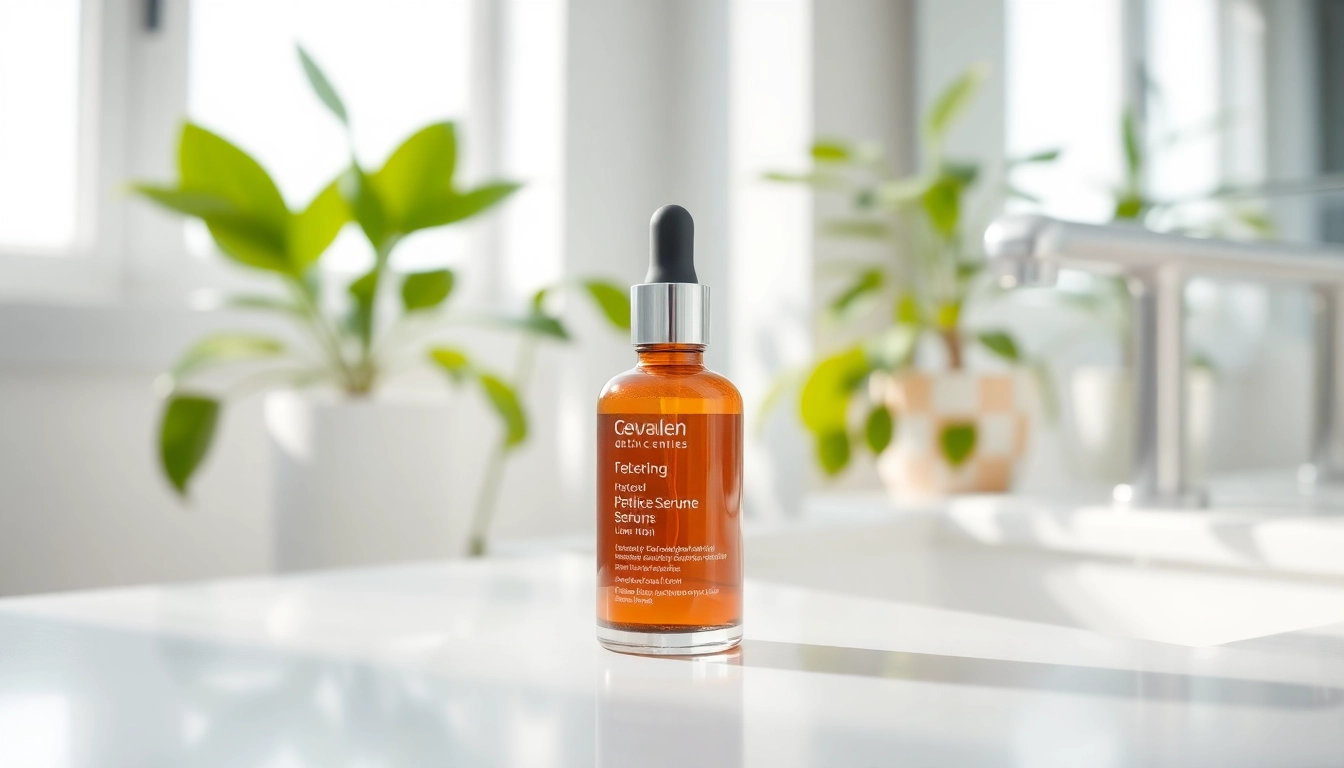
Understanding Peptides and Their Role in Anti-Aging
What Are Peptides?
Peptides are short chains of amino acids, the building blocks of proteins, that play a crucial role in various biological functions, including skin health. When it comes to anti-aging, peptides are heralded as potent tools that can help rejuvenate and repair the skin. They work at a cellular level, signaling to the skin to produce more collagen and elastin, essential proteins for maintaining skin elasticity and firmness. As we age, the natural production of these proteins decreases, leading to visible signs of aging such as wrinkles and sagging skin.
How Do Peptides Promote Skin Health?
The functionality of peptides in skincare is primarily rooted in their ability to penetrate the skin barrier and induce biological responses. Their mechanisms vary, but typically, peptides can:
- Stimulate Collagen Production: Certain peptides specifically signal fibroblasts (the cells responsible for collagen synthesis) to increase production, enhancing skin firmness and reducing wrinkles.
- Enhance Skin Barrier Function: Peptides can improve the skin's moisture retention and protect against environmental damage, leading to a healthier complexion.
- Reduce Inflammation: Some peptides have anti-inflammatory properties, calming irritated skin while promoting a balanced skin response.
- Promote Healing: Peptides can accelerate wound healing and improve recovery from skin injuries, thereby promoting overall skin health.
The Science Behind Best Peptides for Anti Aging
The science of peptides involves their interaction with specific skin receptors, prompting a response that mimics natural processes. Research has shown that peptides are effective in combating aging by supporting the skin's structural integrity. By enhancing collagen and elastin levels, they can effectively reduce the appearance of fine lines, improve skin texture, and restore youthful vibrancy.
For those searching for the Best peptides for anti aging, understanding the types available and their specific roles in skin rejuvenation is essential.
Popular Types of Peptides for Anti-Aging
GHK-Cu: The Copper Peptide
GHK-Cu, or Copper Tripeptide-1, is a well-known peptide in anti-aging skincare. It has been extensively studied for its ability to promote wound healing, boost collagen production, and improve skin elasticity. This peptide is particularly recognized for its role in stimulating glycosaminoglycans, which retain water in the skin, thus enhancing hydration and plumpness. Additionally, GHK-Cu has antioxidant properties, helping protect skin from oxidative stress, which contributes to aging.
Argireline: A Botox Alternative?
Often dubbed "Botox in a bottle," Argireline (Acetyl Hexapeptide-8) mimics the effects of Botox by inhibiting the release of neurotransmitters that cause muscle contraction. This action leads to a temporary reduction in the depth of wrinkles when applied regularly. Research has indicated potential for Argireline to reduce expression lines, especially around the eyes and forehead, making it a popular choice in many anti-aging products.
Matrixyl: Collagen Boosting Peptide
Matrixyl, which includes several variants like Matrixyl 3000, is known for its ability to significantly enhance collagen synthesis. By signaling the skin to produce additional collagen and elastin, Matrixyl is effective in reducing deep wrinkles and improving overall skin texture. Formulations containing this peptide are often marketed for their age-defying capabilities, making it a staple in many anti-aging regimens.
How to Incorporate Peptides into Your Skincare Routine
Choosing the Right Products
When selecting peptide-infused products, it's vital to look for serums, creams, or treatments that clearly list peptides in their ingredient lists. Concentrations of peptides can vary, so consider a product with a higher percentage of active peptides for maximum benefits. Additionally, opt for formulations that combine peptides with complementary ingredients, such as hyaluronic acid for hydration.
Application Techniques for Maximum Efficacy
To enhance the absorption and effectiveness of peptides, follow these application tips:
- Apply on clean skin to maximize penetration.
- Use gentle upward circular motions to massage the product into the skin.
- Allow the product to absorb for a few minutes before layering other skincare items.
Combining Peptides With Other Ingredients
Peptides pair well with various skincare ingredients. For instance, combining peptides with vitamin C can enhance antioxidant protection, while using peptides with retinoids can provide anti-aging effects without increasing irritation. However, it is advisable to use retinoids and peptides at different times to minimize potential skin sensitivity.
Potential Side Effects and Considerations
Common Reactions to Peptides
Generally, peptides are well-tolerated, but some individuals may experience minor irritation or allergic reactions. Symptoms may include redness, itching, or rashes. Patch testing new products before broad application is recommended to determine skin compatibility.
Consulting a Dermatologist
Before introducing peptides into your regimen, especially if you have sensitive skin or specific skin conditions, consulting a dermatologist is essential. They can help identify suitable products and formulations for your skin type and concerns.
When to Avoid Peptide Use
Peptide use should be approached with caution if you have known allergies to specific skincare ingredients. Additionally, those with active skin conditions, such as rosacea or eczema, should seek professional guidance to avoid exacerbating their symptoms.
FAQs About Best Peptides for Anti Aging
Which peptide serum is best for anti-aging?
The SkinCeuticals P-TIOX Anti-Wrinkle Peptide Serum is highly recommended for its efficacy in reducing wrinkles.
Do peptide serums really work?
Yes, numerous studies show that peptides can enhance collagen production, resulting in smoother and more youthful skin.
How long before peptides show results?
Typically, results can be observed in about 4 to 12 weeks, depending on the product formulation and individual skin type.
Can peptides be used with retinol?
Yes, but it's best to apply them at different times to prevent skin irritation from overlapping effects.
Are there any natural sources of peptides?
Indeed, peptides can be found in foods such as eggs, dairy, and certain fish. They are also produced through synthesis for skincare applications.